Woman and Pregnancy
5 min read
What products should be excluded from the diet during breastfeeding – what to avoid to protect the baby's health


1 photo
708
Smart Voice
AI
0:00
0:00
Listen to the article content live
Table of Contents 4
Medical & Editorial Disclaimer (§3 Terms): This article is for informational and educational purposes only, does not constitute medical advice, diagnosis, or treatment, and is used at your own risk. Consult a qualified physician for medical conditions.
Clinical E-Books & Diet Plans:
Explore E-Books & Plans →
Key Takeaways
Navigating nutrition during breastfeeding often raises questions for mothers concerned about how their dietary choices influence their infant's health and comfort. While scientific evidence confirms that certain ingested substances can pass into breast milk, many dietary guidelines during lactation primarily serve to protect the mother's physiological well-being and nutritional status. Contrary to persistent myths, a lactating mother does not need a severely restrictive diet; instead, her daily meals should remain varied and nutrient-dense unless a specific food allergy exists in either mother or child.
From a clinical nutrition perspective, strict dietary exclusions apply only to specific high-risk categories. Raw meats, raw fish, and unpasteurized eggs must be avoided to prevent foodborne bacterial infections such as salmonella and listeria. Alcohol is strictly contraindicated throughout the breastfeeding period, while caffeine intake should be kept to a moderate daily limit. Additionally, heavily processed fast foods, trans fats, and excessive refined sugars offer minimal nutritional value and should be minimized. Commonly feared foods such as strawberries, nuts, and onions do not require preemptive elimination, though mothers are encouraged to observe their baby's individual tolerance carefully when introducing new ingredients.
For practical daily meal planning, mothers should draw from diverse food groups including lean meats, thoroughly cooked fish, eggs, fermented dairy products like kefir and natural yogurt, fruits, vegetables, legumes, seeds, and moderate amounts of vegetable fats. Grain selections can progress from gentler wheat varieties toward whole-grain baked goods, rice, and pasta. Supporting healthy lactation also involves choosing gentle culinary methods such as steaming, boiling in water, grilling, or foil-baking instead of deep-frying, alongside maintaining consistent daily hydration primarily with non-carbonated water.
Every breastfeeding mother considers how her diet might affect her child's health. But does what we eat truly make a difference? Research confirms that certain substances can pass into breast milk and harm the baby. However, most dietary restrictions stem from concerns about the mother's well-being. So, which products should be excluded from the diet to ensure optimal care for the child?
01 / 04
What's a breastfeeding mother's diet like?
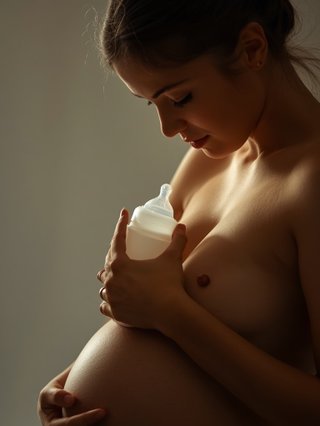
Contrary to popular belief, a mother's diet should be varied, rich in all nutrients. So strawberries, nuts, onions are not something that a breastfeeding mother should not eat? If neither you nor your baby are allergic to food, don't worry. You can eat almost anything. But when you introduce the best new products, always watch your baby's reactions carefully, because every baby reacts differently to the news.
02 / 04
Products that a breastfeeding mother should not eat
Although it might seem like breastfeeding mothers should eat little, that is not true. There is just a certain group of products she should watch out for. Let's check what cannot be eaten while breastfeeding – why and in what quantities to avoid:
raw fish, eggs, meat – it is worth avoiding all raw products because they are hard to digest, and they can also be the cause of food infections, which can lead to the body becoming weak, elevated temperature, vomiting, diarrhea. As a result, the body will also lose some valuable nutrients, legumes and bloating vegetables – they are not something that cannot be eaten while breastfeeding, but it is worth consuming them in moderation. These plants can cause stomach discomfort. Sugars from the raffinose family, found in legumes, are not digested by digestive enzymes. They only break down in the intestines, and thanks to bacteria, they decompose, but they cause bloating, gas, and intestinal cramps. Fast foods – fries, hamburgers, pizza, or fried chicken thighs – are things that are not worth eating while breastfeeding. These products are rich in saturated fats, sugar, and salt. They provide almost no valuable nutrients, sugar, and sweets – this is not something a breastfeeding mother cannot eat, but something that is definitely worth limiting, and not just during breastfeeding. Why shouldn't a breastfeeding mother eat them? The fructose contained in sugar increases the concentration of triglycerides in the blood, provides fats, including harmful trans isomers, which, by passing into the mother's milk, can lead to developmental disorders in the baby. Sweets contain a whole range of enhancers, preservatives, colorings, etc. that you absolutely cannot eat while breastfeeding – they can cause poor absorption of calcium and iron, instant meals – due to high content of preservatives and other chemical additives, these types of products should not be eaten while breastfeeding. What should a breastfeeding mother avoid drinking? A breastfeeding mother should limit or exclude:
sugary carbonated drinks – they are caloric, sweetened with artificial sweeteners, preservatives, and flavor and scent enhancers. The carbon dioxide in them can be a cause of bloating; orthophosphoric acid in the form of an acidity regulator leaches calcium, magnesium, and iron – which are important during breastfeeding; coffee – you do not have to give it up, nor black tea, just maintain moderation – three cups of coffee a day will not harm a breastfeeding mother. Only excess caffeine can lead to reduced iron absorption from breast milk, which in turn can cause disturbances in the baby's body. Alcohol – which is forbidden while breastfeeding – causes lactation disorders and passes into the milk, affecting the child's condition. In the baby, it causes drowsiness, excessive sweating, vomiting, weakness, growth and weight disorders, and even mental developmental disorders.
03 / 04
What Should a Breastfeeding Mother Eat?
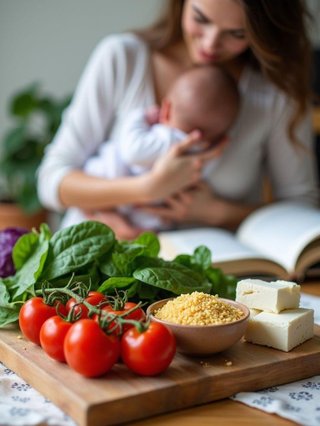
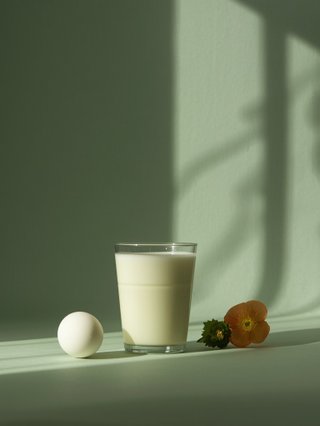
We already know what a breastfeeding mother should and should not eat and drink. and what products should she reach out for? First of all, they come from different food groups, supplying the body with essential nutrients: lean meat and fish, at first wheat, and eventually whole grain products cashews, pasta, rice, baked goods, fruits and vegetables, eggs, onions (mainly beans, kefir, natural yogurt), seeds, vegetable fats in limited quantities.
04 / 04
Key Nutritional Principles for Healthy Lactation
It is well known that it is not enough to avoid what cannot be eaten while breastfeeding, but it is also necessary to consume the recommended products in appropriate proportions, and remember that: the diet of the breast-feeding mother is a diet consistent with the principles of rational nutrition must be varied, it is advisable to choose cooking in water or steam, grilling or baking in a flavoring foil instead of deep fat, drink at least 1.5 litres of non-carbonated water per day, as well as vegetable and fruit juice or green tea, introduce new products or allergy products to the diet every three days or so, observing the reaction of the small intestine if allergy symptoms occur, this is likely to be the product you should not eat first and contact your doctor.
Meal Plan
Want to apply these guidelines in your daily diet?
Our smart diet generator creates a tailored meal plan in 3 minutes based on the recommendations in this article.

Julia Wójcik
• 25.11.2026Diets Premium Expert
Diets Premium team expert. Specializes in nutrition plans, strength sports, and training plans.