How to cope when you don't want to drink in winter? Tips and advice
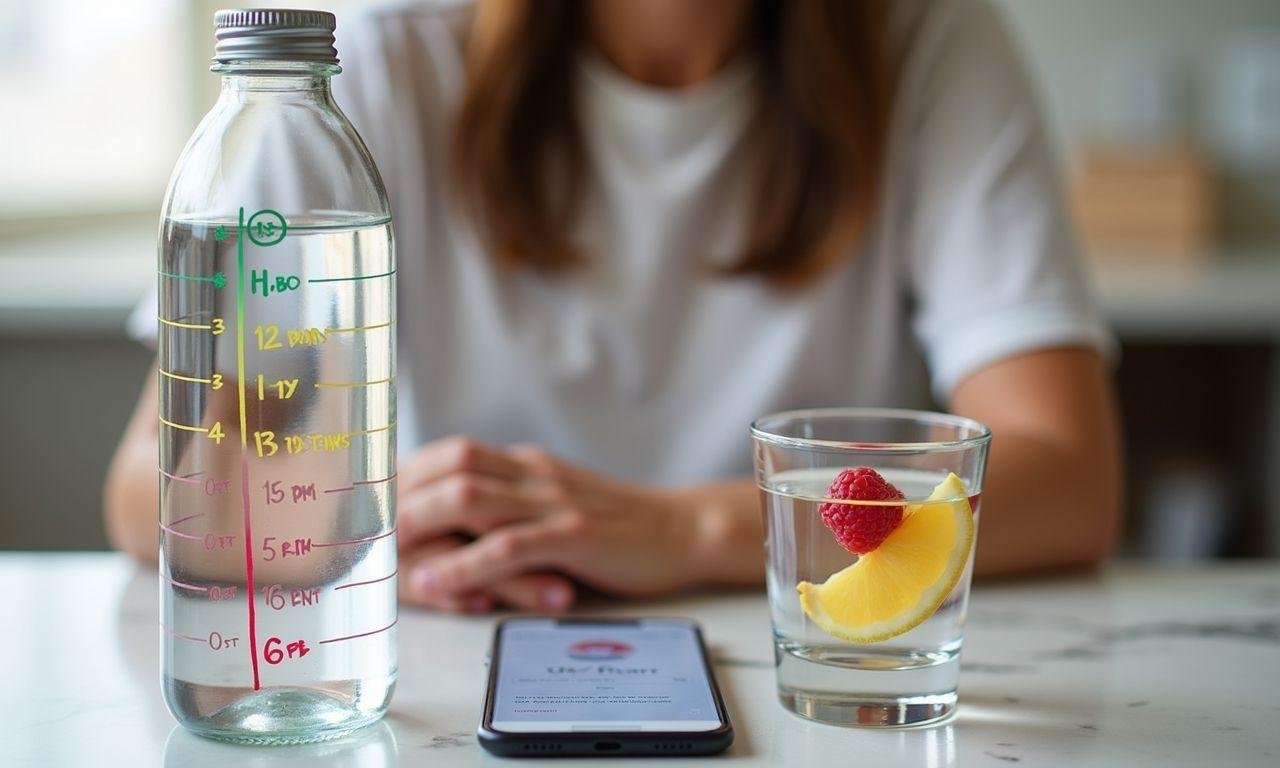

Table of Contents 9
Medical & Editorial Disclaimer (§3 Terms): This article is for informational and educational purposes only, does not constitute medical advice, diagnosis, or treatment, and is used at your own risk. Consult a qualified physician for medical conditions.
Water consumption not only provides hydration but also delivers essential minerals like magnesium and calcium, which are vital for the operation of many bodily systems. Consistent water intake can contribute to preventing various health concerns, particularly those affecting the cardiovascular, nervous, digestive, and skeletal systems. Practical suggestions include starting the day with warm water, enhancing its flavor with favorite fruits and spices such as lemon, berries, or mint, and keeping a water bottle nearby as a constant reminder to drink regularly.
To boost daily fluid intake, it is beneficial to incorporate foods with high water content, such as soups, smoothies, salads, and certain fruits and vegetables, into one's diet. Monitoring water consumption through phone reminders or dedicated apps can also be helpful. Furthermore, warming beverages like teas or herbal infusions with spices such as cinnamon, ginger, or cloves can contribute to fluid intake while also providing a comforting warmth and supporting the immune system during the winter season.
Why consistent water consumption is vital for wellbeing
Advice on increasing water intake in the winter – recommendations and suggestions
Add your favorite fruits and spices to the water
Maintain a water bottle nearby
Enhance your consumption of products with high water content
Regularly check your water consumption
Warm up with hot beverages throughout the day
Warming drinks based on water - recipes
Refreshing beverage with strawberries and mint leaves
Want to apply these guidelines in your daily diet?
Our smart diet generator creates a tailored meal plan in 3 minutes based on the recommendations in this article.

Bandoła K. et al., Rola wody mineralnej w profilaktyce chorób, Tradycje i nowe strategie naukowe w Europie środkowo-wschodniej, materiały, Kijów 2018, 149–152. Grembecka M. et al., Ocena jakości zdrowotnej wybranych warzyw na podstawie ich składu pierwiastkowego, „Bromatologia i Chemia Toksykologiczna” 2008, 41(3), 328–332. Jarosz M. et al., Normy żywienia dla populacji Polski i ich zastosowanie, Warszawa 2020. Łukasik I.M., Poszerzanie świadomości dotyczącej znaczenia wody dla zdrowia człowieka. Wyzwania pedagogiki zdrowia, „Lubelski Rocznik Pedagogiczny” 2019, 38(3), 57–75.
• 24.03.2026Diets Premium Expert
Diets Premium team expert. Specializes in nutrition plans, strength sports, and training plans.