Key Takeaways
The nutritional philosophy of St. Hildegard of Bingen represents a holistic system that remains profoundly relevant for those seeking harmony between physical health and spiritual well-being. This medieval approach emphasizes the healing power of nature and the importance of a mindful lifestyle. For the modern reader, it offers a path toward reclaiming vitality by focusing on the purity of ingredients and their inherent ability to support the body's natural functions without relying on industrial processing.
At the heart of this dietary method lies spelt, an ancient grain valued for its exceptional digestibility and nourishing properties. The physiological insights covered in these teachings highlight a predominantly plant-based intake where fruits and vegetables form the core, while meat is treated as a minor supplement. Specific herbs and spices, such as bertram and galangal, are integrated into meals to stimulate metabolic activity and enhance the digestive process, reflecting a deep understanding of how botanical elements interact with human biology.
Practical application involves incorporating warm grain-based dishes into the daily routine, often combined with cooked apples, almonds, and honey for natural sweetness. Guidance suggests prioritizing original grain varieties and utilizing specific herbal seasonings to maximize the nutritional value of every meal. By adopting these traditional principles, individuals can foster a sustainable way of eating that promotes internal balance, supports digestive comfort, and contributes to long-term health through the simple wisdom of natural foods.
Despite her teachings dating back many centuries, the veneration of St. Hildegard of Bingen, encompassing her distinctive approach to nutrition, endures to this day. Explore further the dietary principles of her health philosophy.
02 / 03
The diet of St. Hildegard's products and principles
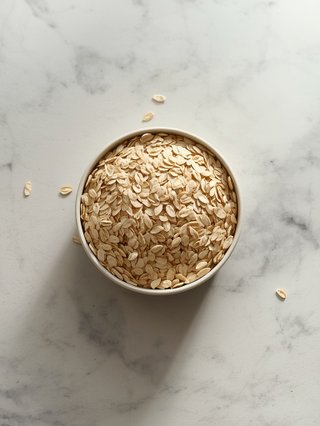
The diet recommended by Saint Hildegard is characterized by a clear predominance of vegan products. In practice, it is a spelt-vegetable-fruit diet, and dairy or meat should only be supplements. In the view of this medieval mystic, the main food of man should be spelt (specifically its original varieties: Schwabenkorn, Frankenkorn, Ostro, Oberkulmer Rotkorn, Steiners Roter Tiroler). It should appear in each of the 3 main meals, as it is the best of all grains. It has a strengthening, warming effect and is one of the three best-absorbed products. The other two are chestnuts and fennel. Chestnuts, once quite popular in Europe in the 17th century, were replaced by potatoes. The culture of eating them has survived, among others, in France. They are especially sought after with wine, as it is believed that they protect the liver from the harmful effects of alcohol. They can be eaten raw, roasted, boiled, or as flour. Fennel (Italian fennel) has a very beneficial effect on the digestive system, preventing bloating, heartburn, and excessive stomach acid production. It is effective in abdominal pain and peptic ulcers. It is good to serve when we are tempted by heavy fried dishes. Drinking tea based on it can effectively eliminate excessive sweating and neutralize unpleasant body odors, including bad breath. It can be traditionally served as a vegetable or in tablet form, and the seeds make a convenient spice. Important: Here are some general rules and conditions related to proper nutrition: a calm, unhurried atmosphere for eating meals, thorough chewing of food, with the exception of spelt, which does not require it. For healthy individuals, it would be beneficial for breakfast to be relatively late (around noon) and should consist of warm prepared fruits with spelt (so-called Habermus – see recipes below), the last meal should not be eaten directly before bed, the optimal temperature for the food consumed is moderately warm, significant variety is not recommended, the range of selected products should not be too wide, it is worth drinking with meals, but not excessively, it is worth seasoning dishes, which improves their taste but also has a beneficial effect on the body's digestive processes by stimulating them, which increases the pool of absorbed nutrients, culinary processing is highly recommended: cooking, blanching, stewing, optional baking and frying, at least seasoning (e.g. (sauce addition), raw foods should be avoided. Hildegard of Bingen also recommended the use of specific spices in the kitchen. One of them is galangal, also known as medicinal alpinia – a plant related to ginger, and like ginger, the root is used. Galangal is particularly recommended for people suffering from cardiovascular diseases. Just as nitroglycerin can be used in crisis situations of so-called angina pectoris. When dissolved in the mouth, it causes a temporary dilation of the blood vessels surrounding the heart, increasing its oxygenation. It also affects blood pressure, lowering it. Bertram (its variety Anacyclus pyrethrum), on the other hand, is a spice that almost anyone can benefit from using regularly. According to Saint Hildegard, it facilitates digestion and absorption, improving the body's nutrition. It therefore acts as a strengthener, preventing nutritional deficiencies, such as anemia. The medieval scholar recommended marsh marigold as a source of fiber – a plant from areas near the Mediterranean Sea. It acts very gently on the intestines, stimulating their cleansing, but it can also irritate them. An additional positive aspect is the effect of lowering blood cholesterol levels. Wine can be made from marsh marigold and taken in a small dose of 20 ml before 3 main meals. The seeds can also be added to habermus or yogurt. It is extremely important to thoroughly drink every dose – only then will it have a chance to swell in the digestive tract and fulfill its function.
Want to apply these guidelines in your daily diet?
Our smart diet generator creates a tailored meal plan in 3 minutes based on the recommendations in this article.