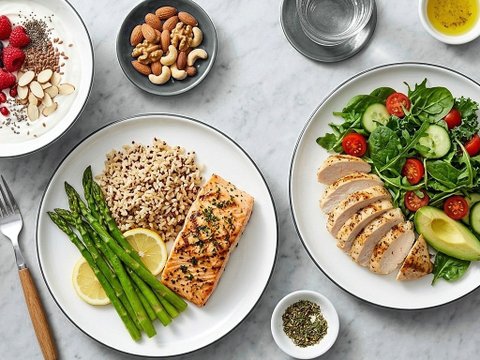
Healthy Refrigerator Contents – Mindful Shopping, Shelf Organization, and Food Waste Reduction


Table of Contents 4
Medical & Editorial Disclaimer (§3 Terms): This article is for informational and educational purposes only, does not constitute medical advice, diagnosis, or treatment, and is used at your own risk. Consult a qualified physician for medical conditions.
Effective food preservation relies heavily on understanding thermodynamic shelf zoning to maintain safety and peak nutritional quality. Higher shelves provide gentle cooling for prepared foods and cultured dairy, whereas the lowest glass surface above the crisper drawers provides the coldest environment, ideal for isolating raw proteins and preventing cross-contamination. Removing commercial condiments laden with hydrogenated trans fats and excess sweeteners in favor of scratch-made herb dressings and whole foods drastically lowers metabolic stress. Furthermore, keeping humidity-controlled crisper drawers filled with leafy greens, brassicas, and bioactive fermented foods directly nourishes the gut microbiome.
Implementing the first-in, first-out inventory protocol ensures older ingredients are consumed before newly purchased stock, effectively eliminating domestic food waste. Pair this organizational discipline with batch-prepping clean staples—such as steaming whole grains, roasting root vegetables, and portioning legumes into airtight glass containers—to assemble balanced, nutrient-rich meals seamlessly on demanding weekdays. Embracing these structural habits transforms daily refrigeration into a proactive tool for sustainable wellness.
The internal ecosystem of a household refrigerator serves as a direct mirror of nutritional literacy, metabolic wellness, and behavioral planning. In contemporary homes, refrigeration spaces are frequently inundated with hyper-palatable ultra-processed foods, hidden sodium-dense dressings, and decaying perishables. A strategically stocked and systematically organized refrigerator represents the paramount foundation for sustainable weight management and culinary efficiency. This article details the essential food categories, thermal shelf zoning, and anti-waste strategies to optimize daily nutrition.
Essential Refrigerator Staples: Nutritional Core Categories
The cornerstone of an optimal refrigerator rests upon whole, nutrient-dense, minimally processed foods. Humidity-controlled crisper drawers must be anchored by seasonal brassicas, dark leafy greens, and low-glycemic berries. Shelves should feature high-biological-value protein sources: pasture-raised eggs, fermented probiotic dairy (plain kefir, skyr, bio-yogurt), and cultured plant proteins such as organic firm tofu and tempeh. Natural fermented vegetables (sauerkraut, kimchi) supply live microbial biodiversity to nurture gut health.
Thermal Zoning and Food Safety: Maximizing Shelf Longevity
Scientific refrigerator organization adheres strictly to thermodynamic convection gradients. Upper shelves (approximately 7–8°C) are tailored for prepared meals, deli items, and leftovers requiring gentle chilling. Middle shelves (4–5°C) maintain optimal conditions for dairy, skyr, and pasteurized items. The lowest glass shelf above the crisper represents the coldest locus (~2°C), strictly reserved for raw seafood and meats to avert cross-contamination drips. Crisper drawers buffer moisture for produce, while door bins (the warmest zone) house shelf-stable condiments.
Purging the Traps: Hidden Fructose, Trans Fats, and Ultra-Processed Condiments
Numerous commercial refrigerator staples constitute metabolic liabilities masquerading as culinary conveniences. Bottled salad dressings, commercial mayonnaise, ketchups laden with high-fructose corn syrup, sweetened flavored yogurts, and sodium-nitrite-cured meats propagate chronic systemic inflammation. Purging the refrigerator of items laden with artificial preservatives, hydrogenated trans fats, and excess sugars in favor of scratch-made vinaigrettes (olive oil, lemon juice, herbs, Dijon mustard) radically elevates dietary nutritional density.
Inventory Stewardship: The FIFO Protocol and Zero-Waste Meal Prepping
To eliminate ecological food waste and liberate weekday time, adopting the commercial culinary FIFO protocol (First In, First Out) is imperative: freshly purchased items are placed behind older stock nearing expiration. Coupled with systematic weekend batch cooking—such as steaming quinoa, roasting seasonal root vegetables, and pre-portioning legumes in airtight glass containers—this organizational discipline ensures that compiling a wholesome, balanced meal on busy evenings requires fewer than five minutes.
Want to apply these guidelines in your daily diet?
Our smart diet generator creates a tailored meal plan in 3 minutes based on the recommendations in this article.
Tags

mgr Mateusz Pawlak
• 25.11.2026Diets Premium Expert
Diets Premium team expert. Specializes in nutrition plans, strength sports, and training plans.