4 min read
Sources and negative effects of potassium sorbate use
1 photo
827
Smart Voice
AI
0:00
0:00
Listen to the article content live
Table of Contents 3
Medical & Editorial Disclaimer (§3 Terms): This article is for informational and educational purposes only, does not constitute medical advice, diagnosis, or treatment, and is used at your own risk. Consult a qualified physician for medical conditions.
Clinical E-Books & Diet Plans:
Explore E-Books & Plans →
Key Takeaways
In an era where time constraints often dictate meal choices, the food industry relies heavily on substances that ensure safety and extend shelf life. Potassium sorbate acts as a critical barrier against microbial spoilage, specifically targeting the growth of molds and yeasts that could otherwise compromise health. Understanding the presence of this preservative is essential for individuals seeking to balance convenience with a health-conscious lifestyle and informed dietary habits.
From a physiological perspective, the body processes this substance through metabolic pathways similar to those used for fatty acids. When carbohydrates are present, it breaks down into simple byproducts such as carbon dioxide and water, which are then naturally eliminated. However, because this additive is found in a vast array of common items—ranging from spreads and cheeses to baked goods and dried fruits—its cumulative impact on the digestive system and overall metabolic health remains a subject of clinical interest.
Practical health management involves a mindful approach to selecting processed goods and prioritizing whole foods whenever possible. By scrutinizing ingredient lists and opting for products with fewer additives, consumers can better support their long-term wellness and nutritional integrity. Emphasizing fresh preparation and minimally processed ingredients helps reduce reliance on industrial preservatives, fostering a more natural and supportive relationship with daily nutrition.
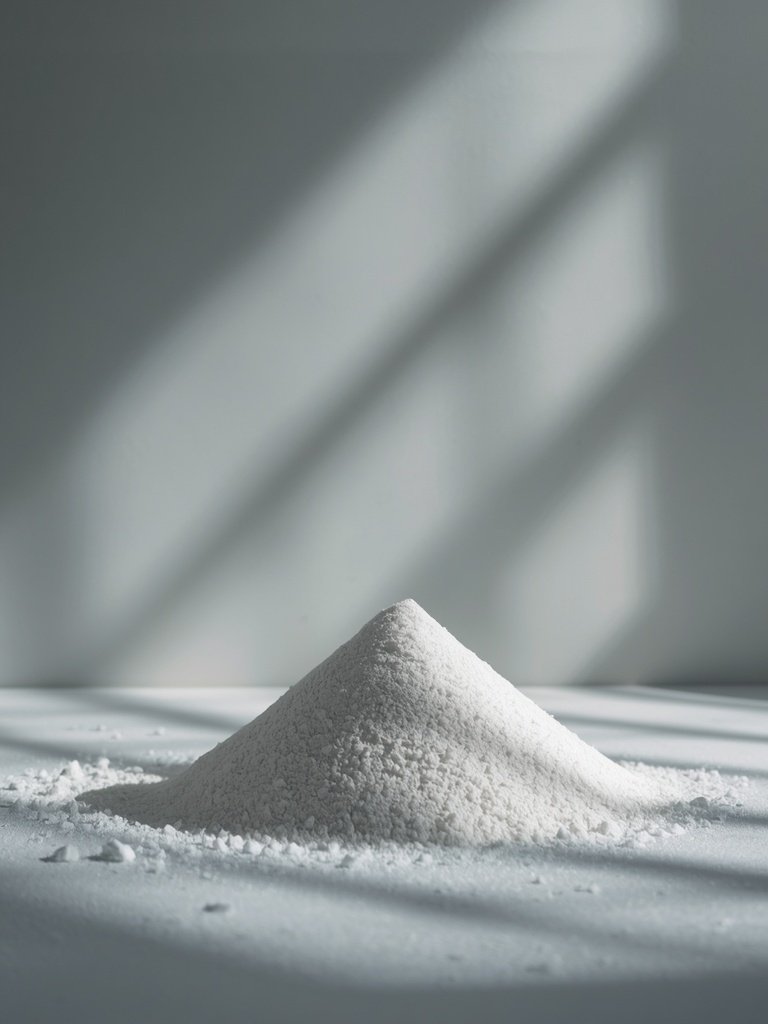
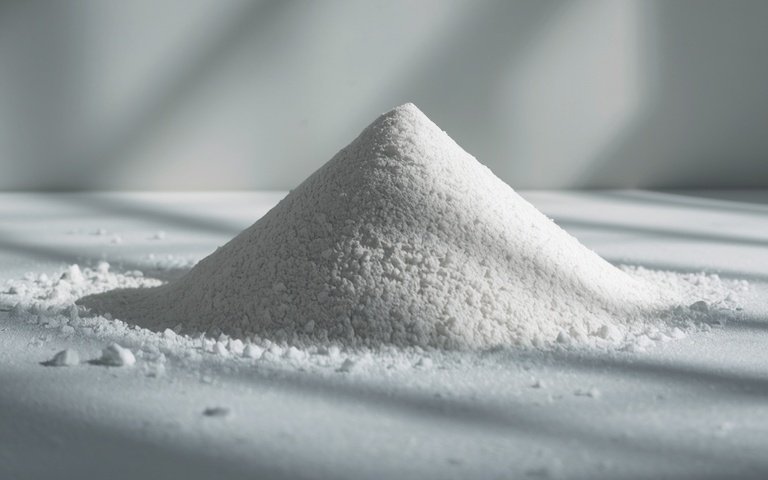
Due to limited time for daily meal preparation and technological advancements, the food industry has taken the lead in using substances that ensure health safety and extend the shelf life of products. One of the most frequently used substances is the white, crystalline dust marked with the symbol E202.
01 / 03
Potassium sorbate (E202) – a broad-spectrum food preservative with multifunctional applications
Potassium sorbate, designated as E202, serves as a pivotal preservative within the food industry, with its primary objective being the extension of product shelf life through the inhibition of microbial activity. Its mechanism of action primarily targets the suppression of biodegradative processes initiated by molds, yeasts, and select bacterial strains—organisms that not only accelerate food spoilage but may also generate hazardous metabolic byproducts posing risks to public health. The safety profile of potassium sorbate has been substantiated by extensive toxicological research, positioning it among the most trusted preservatives available on the market. Notably, this compound occurs naturally in the berries of the rowan tree (*Sorbus aucuparia*), from which the name "sorbic acid"—the chemical precursor to this additive—is derived. Although extraction from botanical sources is theoretically feasible, industrial synthesis remains the preferred method due to its economic viability and the ability to maintain precise control over the purity of the final product. In practical applications, potassium sorbate presents as a white, crystalline powder with high water solubility, facilitating uniform dispersion within food matrices. Stringent regulatory frameworks specify maximum permissible concentrations of E202 across various product categories, ensuring consumer safety while preserving the additive’s efficacy as a preservative.
02 / 03
Potassium sorbate – a ubiquitous preservative source in food and beyond
Potassium sorbate stands as one of the most widely employed preservatives within the food manufacturing sector, with its presence documented in the overwhelming majority of processed goods. Over time, it has been systematically incorporated into the preservation protocols for a diverse array of products, including but not limited to: spreadable margarine blends, cheese and cheese-based spreads, delicatessen items, frozen baked goods, fruit preserves such as jams, dehydrated fruits (refer to Table 1), as well as wines and non-alcoholic beverages [3]. The dosage of this additive is strictly contingent upon the specific characteristics of the product being preserved, with recommended concentrations ranging from 0.2 to 1 gram per kilogram of the final output [2]. Beyond its applications in food preservation, potassium sorbate is also utilized as an additive in cigarette paper manufacturing, where it serves as an effective inhibitor of mold proliferation.
The table below outlines the maximum permissible levels of selected preservative compounds across various food categories, expressed in milligrams per liter or kilogram:
Table 1. Permissible maximum concentrations of preservative substances in food products
Food product category | Sorbic acid and its salts (E200–E203) | Potassium sorbate + sodium benzoate (used individually or in combination)
--- | --- | ---
Flavored non-alcoholic beverages | 300 mg/l | 250 mg/l (E202) + 150 mg/l (E211)
Low-sugar jams, jellies, and marmalades | 1000 mg/kg | —
Dried fruits | 1000 mg/kg | —
Processed cheese | 2000 mg/kg | —
Pre-packaged sliced bread and rye bread | 2000 mg/kg | —
Chewing gum | 1500 mg/kg | —
All of the above maximum limits have been strictly established by the European Food Safety Authority (EFSA) to ensure comprehensive toxicological safety under conventional dietary consumption patterns.
03 / 03
Potential hazards associated with potassium sorbate consumption: a risk-benefit analysis within the framework of contemporary food manufacturing practices
Potassium sorbate, designated by the E-number E202, is a widely utilized preservative within the food industry, undergoing metabolic processing in the human body through mechanisms analogous to those of fatty acids—specifically via the β-oxidation pathway. In the presence of carbohydrate compounds, this substance decomposes into simple metabolic byproducts, namely carbon dioxide and water, which theoretically diminishes its potential for harm. According to guidelines established by the World Health Organization (WHO) and the European Food Safety Authority (EFSA), the acceptable daily intake (ADI) for this preservative is set at 25 milligrams per kilogram of body weight. Practically, this translates to an adult weighing 70 kilograms being able to safely consume up to 1750 milligrams of the substance daily—an amount equivalent to nearly two kilograms of food products containing E202. While these parameters indicate a substantial safety margin, reports of individualized hypersensitivity reactions—including allergic symptoms, skin irritations, and urticarial rashes—among certain consumers cannot be disregarded. Sorbic acid and its derivatives are ubiquitously incorporated into a diverse array of food items, rendering their presence on product labels increasingly conspicuous. Notwithstanding the undeniable economic and technological advantages conferred upon manufacturers, strict adherence to legally defined ADI thresholds remains paramount, as exceeding these limits may precipitate adverse health outcomes. In light of the burgeoning demand for organic foods devoid of synthetic additives, it is pertinent to note that while such products eschew preservatives, they inherently possess a significantly reduced shelf life, posing logistical challenges—particularly during extended travel or storage outside refrigerated conditions.
Meal Plan
Want to apply these guidelines in your daily diet?
Our smart diet generator creates a tailored meal plan in 3 minutes based on the recommendations in this article.

mgr Tomasz Jankowski
• 25.11.2026Diets Premium Expert
Diets Premium team expert. Specializes in nutrition plans, strength sports, and training plans.