3 min read
Sesame – varieties, characteristics, application, guidelines

1 photo
843
Smart Voice
AI
0:00
0:00
Listen to the article content live
Table of Contents 4
No one can deny that everyone is aware of sesame, especially the popular sesame seeds, which are sweet and crunchy. Let us learn about the power of sesame seeds and the recipes with their additives. Of course, yes! But does sesame have any health benefits?
01 / 04
Common sesame – a versatile annual plant with a rich cultivation history and diverse applications
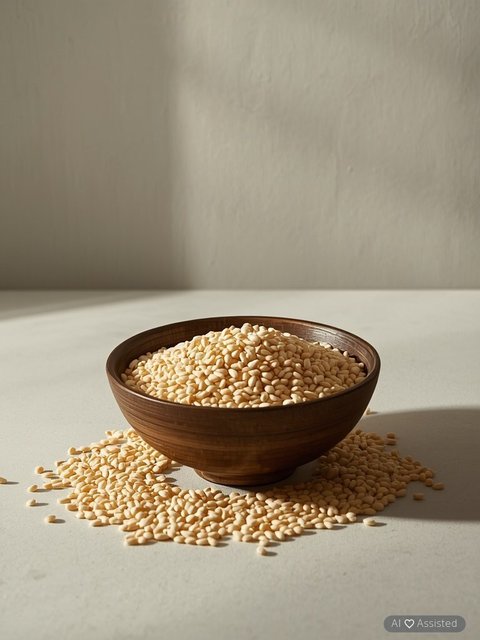
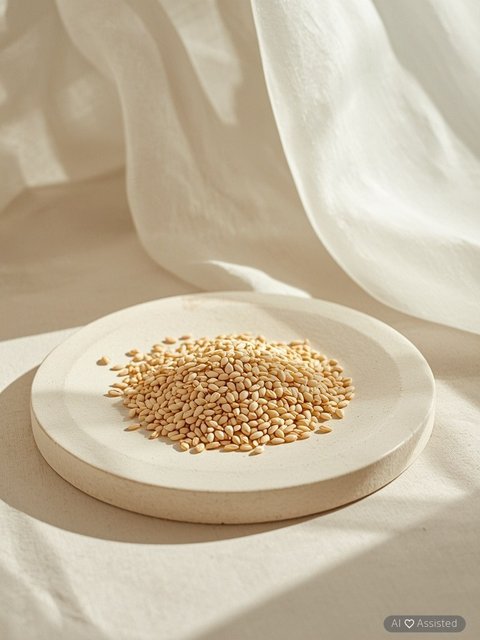
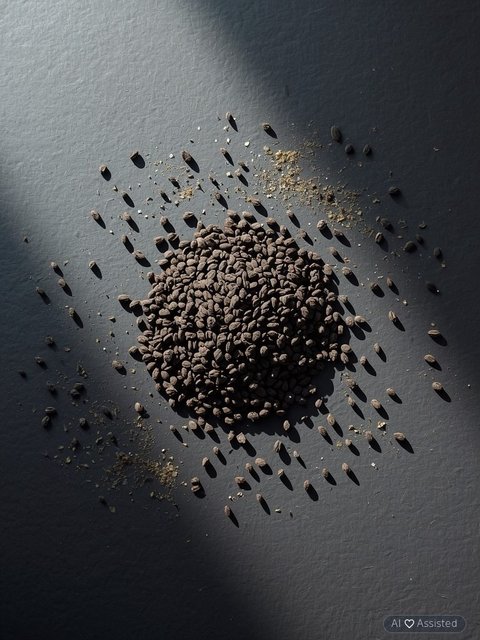
Common sesame (*Sesamum indicum*) is an annual oilseed crop whose height ranges from approximately sixty centimeters to an impressive two and a half meters, depending on the cultivar and growing conditions. It is cultivated in numerous genetic varieties, primarily in tropical and subtropical regions where optimal thermal and humidity parameters prevail. The seeds exhibit a diverse color palette—from creamy and pale yellow to deep brown or nearly black—though the snow-white and intensely black varieties enjoy the greatest popularity in both culinary and cosmetic applications. Notably, the therapeutic properties of this plant were recognized and systematically harnessed by ancient civilizations, including in Ayurvedic medicine and the traditional healing systems of the Middle East. Today, sesame ranks among the most critical global botanical resources, with extensive applications in gastronomy, pharmacology, and the production of nutritionally dense seed oils.
02 / 04
Nutritional profile and health benefits of sesame seeds: composition, bioactive properties, and physiological effects on human health
Sesame seeds represent a highly caloric food product, with a 100-gram serving providing approximately 572 kilocalories. Their chemical composition is distinguished by a substantial lipid content, which may constitute up to 50 percent of the seed mass. Additionally, sesame contains a broad spectrum of vitamins—primarily from the B-complex group—as well as an extensive array of micro- and macronutrients, including calcium, magnesium, phosphorus, iron, zinc, copper, manganese, and selenium. The seeds also comprise dietary fiber, complex carbohydrates, phytosterols that support healthy cholesterol levels, and high-quality plant-based protein complete with essential exogenous amino acids. Of particular note is the amino acid tryptophan, a precursor to serotonin and melatonin, which plays a pivotal role in regulating sleep-wake cycles. Furthermore, sesame contains unique bioactive compounds such as lignans (notably sesamol and sesaminol), which exhibit potent antioxidant properties and modulate the activity of detoxifying enzymes. Owing to this nutrient-dense composition, regular consumption of sesame seeds may yield numerous health benefits, including: rectification of vitamin and mineral deficiencies, optimization of sleep onset and enhancement of sleep quality, neutralization of free radicals and protection of cells against oxidative damage, regulation of hormonal balance (particularly in menopausal women), promotion of diuresis and bodily detoxification, potential anticancer effects due to lignan content, reinforcement of nervous, immune, circulatory, and digestive system functions, and improvement in the condition of hair, nails, and skin through the provision of essential structural components.
03 / 04
Health benefits and therapeutic applications of sesame in daily nutrition and supportive care
Sesame represents a valuable dietary component that can be consumed either as raw or roasted seeds or as high-quality cold-pressed oil. Its regular incorporation into one’s diet is particularly recommended for individuals with compromised immune function as well as those experiencing neurological disorders—most notably in cases of chronic insomnia, where sleep architecture is significantly disrupted and restorative sleep quality is substantially diminished. Emerging evidence indicates that sesame may contribute to alleviating symptomatic burdens associated with menopausal transition in women, a benefit attributable to its capacity to modulate hormonal balance. Owing to its pronounced diuretic properties, sesame may serve as a supportive agent in managing urinary tract dysfunctions. Furthermore, sesame has garnered recognition within cardiovascular disease prevention strategies, demonstrating efficacy in stabilizing blood pressure levels and optimizing lipid profiles, including the reduction of low-density lipoprotein (LDL) cholesterol. The antioxidant compounds abundant in sesame play a pivotal role in oncological prophylaxis by scavenging free radicals and mitigating oxidative stress. Sesame oil, rich in essential fatty acids and vitamin E, exhibits a remarkable ability to fortify hair structure, enhance its tensile strength, and impart a lustrous sheen. Additionally, sesame’s anti-inflammatory and antimicrobial attributes position it as a potent adjunct in the management of acne vulgaris and other inflammatory dermatoses. Its high dietary fiber content promotes gastrointestinal motility, accelerates intestinal transit, and counters constipation. Of equal importance is sesame’s status as one of the most bioavailable plant-based sources of calcium, rendering it an indispensable element of bone-healthy nutrition and a proactive measure against osteoporosis.
04 / 04
Sesame in Cooking – Tested Recipes and Culinary Guidance
Sesame seeds, being a calorie-dense and nutrient-rich food, are best utilized as a flavorful and textural enhancement to a wide array of dishes. One of the simplest yet most effective ways to incorporate them is through a fresh vegetable salad. Here is a detailed method for preparing a carrot and sesame salad: begin by thoroughly washing, peeling, and finely grating the carrots using a box grater’s smallest holes. Next, incorporate one to two tablespoons of whole sesame seeds (adjusting the quantity based on personal taste preferences), one tablespoon of unsweetened, full-fat natural yogurt, and season to taste with sea salt and freshly ground black pepper—additional spices such as smoked paprika, cumin, or even a pinch of chili flakes may be introduced for added depth. For variation, the carrots can be substituted with celery root or combined with it to create a more layered flavor profile. Another inventive application involves breaded cutlets with a sesame-infused crust: rather than using traditional breadcrumbs, the cutlets can be coated entirely in sesame seeds or mixed into the breading in any proportion. This modification not only enhances the visual appeal but also introduces a rich, nutty undertone that pairs exceptionally well with chicken, turkey, or white fish fillets. For a sophisticated appetizer or light meal, consider a fig and sesame composition: take two ripe, plump figs and two medium-sized heirloom tomatoes (such as "Brandywine" or "Cherokee Purple"), slice them into thin, even rounds, and arrange them atop a bed of crisp butter lettuce or arugula. Add cubed fresh mozzarella di bufala, drizzle generously with aged balsamic glaze, and finish with a sprinkling of pre-toasted black sesame seeds, which lend an elegant contrast in both color and texture. In summary, sesame is not merely a nutritional powerhouse—packed with unsaturated fats, calcium, magnesium, and B vitamins—but also a versatile culinary ingredient capable of elevating the taste and presentation of dishes. However, caution is advised: given its classification as a potent allergen, individuals with confirmed sesame allergies must avoid it entirely, and those trying sesame-containing recipes for the first time should monitor for any adverse reactions, such as itching, swelling, or digestive discomfort.
Meal Plan
Want to apply these guidelines in your daily diet?
Our smart diet generator creates a tailored meal plan in 3 minutes based on the recommendations in this article.

Scientifically reviewed by a clinical dietitian
• 24.09.2026
Olivia Davis
Diets Premium Expert
Diets Premium team expert. Specializes in nutrition plans, strength sports, and training plans.
USDA FoodData Central
EFSA
PubMed Clinical Guidelines