Rockrose (Cistus incanus) – medicinal properties, action and use of rockrose infusion


Table of Contents 5
Medical & Editorial Disclaimer (§3 Terms): This article is for informational and educational purposes only, does not constitute medical advice, diagnosis, or treatment, and is used at your own risk. Consult a qualified physician for medical conditions.
The physiological benefits of cistus stem from its ability to create a protective coating on the mucous membranes, acting as a physical shield against viral and bacterial pathogens. Beyond its respiratory support, the herb contains essential oils and phenolic compounds that exhibit bacteriostatic properties, making it a popular choice for adjunctive support in managing tick-borne concerns. Furthermore, regular consumption subtly influences the body's scent chemistry, providing a natural deterrent against external parasites while remaining completely imperceptible to the human sense of smell.
To integrate cistus into a daily wellness routine, the dried leaves should be steeped in boiling water for a sufficient duration to ensure the release of all bioactive substances. One of the unique advantages of high-quality rockrose is that the leaves can be brewed multiple times, with subsequent infusions still yielding beneficial nutrients. For optimal results, it is advisable to consume the brew between meals to prevent plant tannins from interfering with the absorption of essential minerals like iron. This gentle yet effective herbal beverage serves as a safe, non-toxic addition to a balanced diet and a proactive lifestyle.
Cistus – What is Cistus incanus?
Cistus incanus (rockrose) is an evergreen shrub belonging to the Cistaceae family, native primarily to the Mediterranean basin and the Canary Islands. It features delicate pink or white flowers with crinkled petals and a distinctive resinous aroma. In traditional Mediterranean herbalism, it has been utilized since antiquity as a reliable remedy for wound healing, gastrointestinal issues, and respiratory infections.
Modern phytochemical research confirms that Cistus incanus is among the richest plant-based sources of polyphenols. It provides flavonoids, catechin tannins, and phenolic acids that deliver robust antioxidant protection, neutralizing reactive oxygen species, slowing cellular aging, and shielding DNA structures from oxidative stress.
Medicinal Properties and Immune Support
The premier advantage of Cistus incanus lies in its capacity to stimulate and modulate the immune system. The polyphenols in cistus brew coat the mucous membranes of the throat and larynx, establishing a physical protective shield that prevents viruses (including cold and influenza strains) and pathogenic bacteria from penetrating host cells.
Thanks to its astringent and antiseptic properties, cistus tea provides prompt relief in upper respiratory tract infections, sore throats, and gingivitis. Consistent intake accelerates recovery during convalescence and assists the body in clearing metabolic byproducts and heavy metals, making it particularly beneficial for city dwellers exposed to pollution and former smokers.
Cistus in Lyme Disease Support and Tick Defense
One of the most widely acknowledged applications of Cretan cistus is adjuvant support in Lyme disease management. The phenolic compounds and essential oils present in the herb exert bacteriostatic effects against Borrelia burgdorferi spirochetes, impeding their proliferation and complementing physician-guided antibiotic protocols.
Furthermore, daily consumption subtly alters body scent and perspiration chemistry in a manner imperceptible to humans but repulsive to external parasites. Consequently, regular cistus drinkers become markedly less attractive targets for ticks, mosquitoes, and biting midges, serving as an effective natural shield during outdoor activities.
How to Brew and Dose Cistus Tea Properly
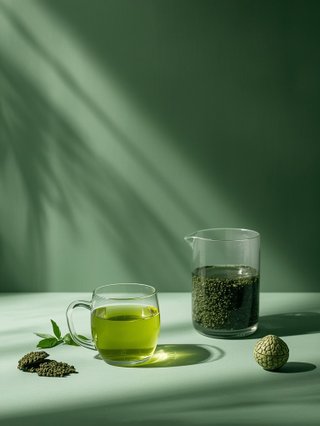
Proper infusion technique is essential to extract the full spectrum of bioactive substances from cistus. Pour one heaping teaspoon of dried cistus leaves with a cup of boiling water (approx. 200–250 ml), cover, and steep for 8 to 10 minutes. Notably, high-quality cistus leaves can be brewed up to two or three times, as subsequent infusions continue to yield valuable polyphenols.
A standard preventative regimen consists of drinking 1 to 2 cups daily. The brew has a pleasant, slightly resinous herbal taste with mild astringency, which pairs wonderfully with a slice of lemon or a teaspoon of raw honey added after cooling below 40°C to preserve honey enzymes.
Safety, Contraindications, and Potential Side Effects
Cistus incanus is regarded as exceptionally safe, non-toxic, and well-tolerated even during prolonged daily use. It does not cause dependency and does not adversely interact with the vast majority of pharmaceuticals.
The primary clinical precaution is spacing the consumption of cistus tea by at least 1 to 2 hours from iron supplements or oral medication intake, as plant tannins can slightly hinder mineral absorption. Pregnant and lactating individuals should discuss regular herbal therapies with their supervising physician.
Want to apply these guidelines in your daily diet?
Our smart diet generator creates a tailored meal plan in 3 minutes based on the recommendations in this article.
Tags

Oliwia Kaczmarek
• 25.11.2026Diets Premium Expert
Diets Premium team expert. Specializes in nutrition plans, strength sports, and training plans.