3 min read
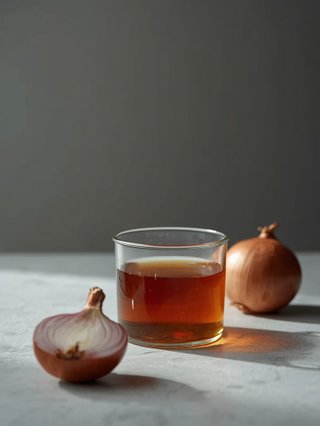
Red onion


1 photo
899
Smart Voice
AI
0:00
0:00
Listen to the article content live
Table of Contents 3
Medical & Editorial Disclaimer (§3 Terms): This article is for informational and educational purposes only, does not constitute medical advice, diagnosis, or treatment, and is used at your own risk. Consult a qualified physician for medical conditions.
Clinical E-Books & Diet Plans:
Explore E-Books & Plans →
Key Takeaways
Red onions are a nutritional powerhouse that offer a sophisticated blend of flavor and health-promoting properties. As an exceptional source of flavonoids, this vegetable serves as a vital tool for those looking to enhance their antioxidant intake and protect their cells from oxidative damage. Incorporating this vibrant bulb into a balanced diet is a proactive way to support long-term wellness and harness the natural protective power of plant-based compounds.
The physiological benefits of red onions are largely driven by their high concentration of anthocyanins, which are potent pigments with significant anti-inflammatory and cardioprotective qualities. These substances aid in maintaining healthy blood vessels and assist in managing cholesterol levels by targeting the LDL fraction. By neutralizing free radicals, the bioactive components found in this variety contribute to a reduced risk of chronic conditions, including cardiovascular issues and certain cellular abnormalities.
From a culinary perspective, red onions are highly valued for their milder and subtly sweet profile, which results from a lower concentration of pungent sulfur compounds compared to white varieties. This makes them an ideal choice for raw applications, such as fresh salads and garnishes, where they provide a crisp texture and nutrient density. Utilizing red onions in daily meals is a simple strategy to enjoy a low-calorie, nutrient-rich ingredient that supports heart health and overall physiological balance.
Red onions serve as an excellent source of substances with antioxidant effects, known as flavonoids. The red variety contains a considerable amount of anthocyanins, which are cyanidin derivatives. High intake of this vegetable reduces the risk of heart attacks, certain types of cancer, and atherosclerosis, by aiding in lowering the LDL cholesterol level in the blood.
01 / 03
Nutritional composition and health-promoting attributes of red onions – a detailed analysis of vitamins, minerals, and their antioxidant and prebiotic functionalities
Red onions represent an exceptionally rich source of flavonoid compounds, which act as natural antioxidants by neutralizing free radicals within the body. A distinguishing feature of this variety is its high concentration of anthocyanins—colored cyanidin-derived glycosides—that exhibit potent anti-inflammatory and cardioprotective effects. Regular consumption of this vegetable has been associated with a reduced incidence of myocardial infarctions, certain malignant neoplasms, and the progression of atherosclerosis, attributable to its capacity to lower blood levels of "bad" LDL cholesterol. Furthermore, red onions contain fructans—natural fructose oligomers—that function as soluble dietary fiber and simultaneously serve as prebiotics, selectively promoting the growth of beneficial gut microbiota, particularly in the colon, where they undergo fermentation by anaerobic bacteria. Historically, onions, including the red variety, have played a pivotal role in traditional folk medicine as a natural antimicrobial agent—long before the advent of antibiotics, their bactericidal properties were harnessed to combat infections. The majority of their health-promoting effects are attributed to allicin and allyl propyl disulfide, organosulfur glycosidic compounds. This vegetable also contains an array of metabolic enzymes, including digestive fermenters, which accelerate metabolic processes and facilitate digestion. Of particular note is glucokinin—a plant hormone present in onions—that demonstrates hypoglycemic activity, inhibiting the development of type 2 diabetes in genetically predisposed individuals. Consuming raw onions contributes to lowered blood glucose levels, potentially aiding in the optimization of insulin dosages for diabetic patients. Additionally, adenosine—another bioactive component—prevents platelet aggregation, thereby reducing thrombotic risk and improving blood rheological properties. For these reasons, red onions are particularly recommended as an addition to heavy, calorie-dense meals, as they facilitate their breakdown and absorption.
02 / 03
Does red onion actually contribute meaningful calories? A precise breakdown per 100 grams
The nutritional profile of red onion per 100 grams is as follows: it provides 1.1 grams of protein, a minimal 0.1 grams of fat, 9.3 grams of carbohydrates (including 1.7 grams of dietary fiber), amounting to an approximate energy value of 40 kilocalories. This composition establishes it as a nutrient-dense, low-calorie enhancement for a wide array of culinary preparations.
03 / 03
Characteristics, culinary applications, and storage of red onion
Although red onion is less commonly featured in traditional Polish dishes compared to its white counterpart, it is distinguished by a milder flavor profile owing to its reduced concentration of pungent sulfur compounds. It excels particularly in raw preparations, such as salads—most notably serving as an indispensable component of classic Greek salad, where its subtly sweet and tangy notes are highly prized. When subjected to heat, it demonstrates remarkable versatility: enhancing the depth of sauces, complementing the richness of meat dishes, and pairing harmoniously with other vegetables. Its structural properties also make it effective for thickening dishes, thereby intensifying their overall character. However, red onion is inherently perishable and prone to rapid deterioration; thus, prior to consumption, it is essential to verify the absence of mold, softening, or any discoloration. To maximize shelf life, it should be stored in a cool, dark, and well-ventilated environment, which will help preserve its freshness for an extended period.
Meal Plan
Want to apply these guidelines in your daily diet?
Our smart diet generator creates a tailored meal plan in 3 minutes based on the recommendations in this article.

Alicja Kowalska
• 25.11.2026Diets Premium Expert
Diets Premium team expert. Specializes in nutrition plans, strength sports, and training plans.