Pumpkin: Nutrients and Health Benefits in Diet
1 photo
901
Table of Contents 2
Medical & Editorial Disclaimer (§3 Terms): This article is for informational and educational purposes only, does not constitute medical advice, diagnosis, or treatment, and is used at your own risk. Consult a qualified physician for medical conditions.
Clinical E-Books & Diet Plans:
Explore E-Books & Plans →
Key Takeaways
Pumpkin, especially its substantial varieties, is a nutritional powerhouse, offering a wealth of health benefits. This vegetable is a rich source of vitamin C, beta-carotene, and a broad spectrum of carotenoids. Varieties with intensely orange flesh are particularly valuable, as they concentrate significant amounts of vitamin A, B-group vitamins such as thiamine and riboflavin, and niacin. Incorporating pumpkin into one's diet can substantially support overall well-being.
The nutritional advantages of pumpkin extend to its mineral content, which includes phosphorus, iron, calcium, potassium, and magnesium. This combination of vitamins and minerals makes pumpkin a crucial dietary component, particularly for young children, as it may contribute to preventing rickets and strengthening eyesight. Furthermore, pumpkin exhibits a low capacity to absorb heavy metals from the soil, making it a safe choice for consumption.
To fully harness pumpkin's benefits, it can be utilized in diverse culinary applications. It serves as an excellent base for creamy soups, which are especially comforting and nourishing during cooler months. Additionally, pumpkin can be preserved through pickling, a process that not only extends its shelf life but also retains its valuable nutrients. Regular inclusion of pumpkin in meals is a simple and delicious way to enhance daily nutrient intake.
Pumpkin, particularly its giant variety, is a rich repository of vitamin C, beta-carotene and carotenoids. Vegetables with very intense orange flesh are especially valuable, as they contain significant amounts of vitamins A, B1, B2 and PP. Among the minerals found in pumpkin, phosphorus, iron, calcium, potassium and magnesium stand out. Thanks to the presence of these nutrients, pumpkin is a key component of the diet of small children, as it prevents rickets and strengthens the eyesight. Moreover, pumpkin has no ability to absorb high levels of heavy metals from the soil, so it can be consumed without worry.
01 / 02
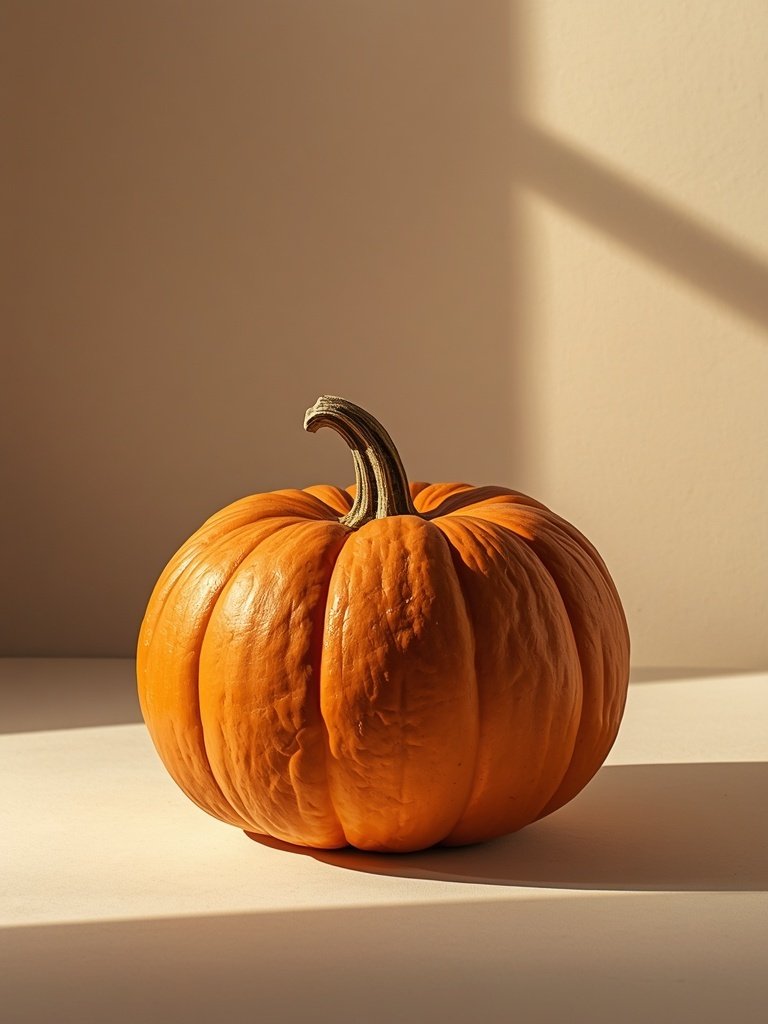
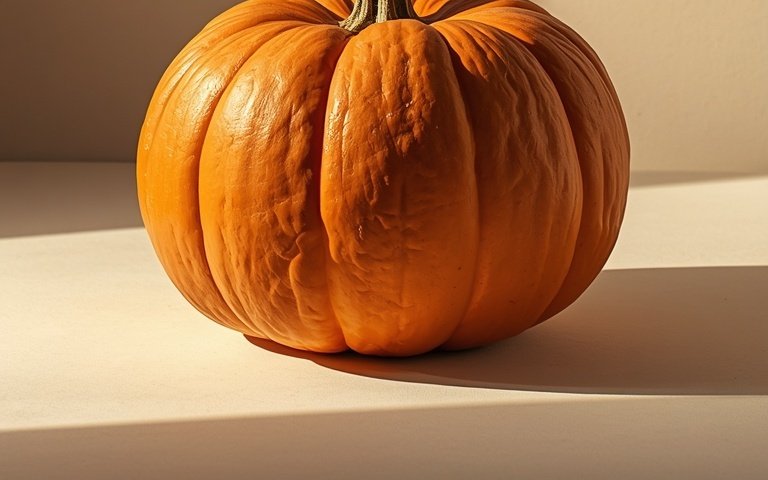
Giant pumpkin – a nutritional powerhouse and its extensive health benefits for human well-being
The giant pumpkin, particularly its large-fruited cultivars, represents an exceptional reservoir of essential vitamins, including ascorbic acid (vitamin C), provitamin A (beta-carotene), and a comprehensive array of carotenoids. Varieties exhibiting deeply saturated, orange-hued flesh are of particular nutritional value, as they concentrate the highest levels of vitamin A (retinol), thiamine (B1), riboflavin (B2), and niacin (PP). Among its inorganic mineral constituents, notable quantities of phosphorus, iron, calcium, potassium, and magnesium are present. Owing to this robust nutritional profile, pumpkin plays a pivotal role in the balanced diets of young children—effectively preventing the onset of rickets by optimizing calcium absorption while concurrently fostering the development of normal visual acuity. A critical advantage of this vegetable is its minimal propensity for accumulating toxic heavy metals from soil, rendering it a safe and highly recommended dietary component. Furthermore, pumpkin provides high-quality plant-based protein while maintaining a remarkably low caloric density—merely 28 kcal per 100 grams of flesh. Its abundance of dietary fiber, including pectins and bioactive organic acids, positions it as a valuable element in weight-management regimens and antioxidant prophylaxis, effectively counteracting the deleterious effects of free radicals. Regular consumption of cooked pumpkin alleviates digestive disorders, particularly chronic constipation, whereas gently prepared flesh combines high nutritional value with exceptional digestibility—a characteristic that renders it ideal for treating food poisoning and supporting convalescence. Modest servings of pumpkin mitigate pregnancy-related ailments such as morning sickness, while for children, it serves as a natural remedy for eliminating intestinal parasites commonly contracted through activities like sandbox play or daycare attendance. Pumpkin seeds are equally valuable, offering a readily bioavailable source of zinc—an indispensable trace element for optimal male reproductive system function, including the prevention of benign prostatic hyperplasia. Systematic incorporation of pumpkin into one’s diet additionally contributes to the adjunctive treatment of urinary tract disorders, including recurrent cystitis.
02 / 02
Culinary and therapeutic applications of pumpkin – properties and versatile uses
Pumpkin stands as an exceptionally versatile vegetable with a broad range of applications spanning both culinary and therapeutic domains. Its succulent flesh serves as an excellent foundation for velvety cream soups, which are particularly prized during the autumn and winter months when fresh, young specimens with optimal flavor and nutritional profiles are readily available. Additionally, pumpkin can undergo preservation through pickling, a process that not only extends its shelf life but also introduces a tangy dimension to its taste. The vegetable’s distinctive, gently sweet flavor renders it an ideal ingredient for smooth purées as well as a fragrant complement to meat dishes, imparting a delicate richness. Cold-pressed pumpkin seed oil, abundant in unsaturated fatty acids and vitamins, is widely utilized in both dietary and cosmetic contexts. Equally significant are pumpkin seeds themselves, which constitute a valuable source of trace elements such as zinc and magnesium. Furthermore, pumpkin pulp is employed in natural medicine as a component of soothing poultices designed to alleviate skin irritations—including sunburn and thermal burns—owing to its anti-inflammatory and hydrating properties.
Meal Plan
Want to apply these guidelines in your daily diet?
Our smart diet generator creates a tailored meal plan in 3 minutes based on the recommendations in this article.

Julia Wójcik
• 26.11.2026Diets Premium Expert
Diets Premium team expert. Specializes in nutrition plans, strength sports, and training plans.