Principles for ensuring the quality of nighttime sleep
Table of Contents 11
Medical & Editorial Disclaimer (§3 Terms): This article is for informational and educational purposes only, does not constitute medical advice, diagnosis, or treatment, and is used at your own risk. Consult a qualified physician for medical conditions.
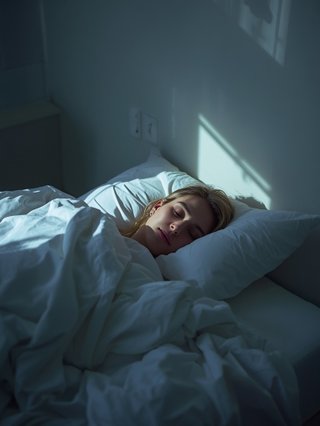
Physiologically, sleep is governed by intricate hormonal pathways, including the production of melatonin, which can be disrupted by exposure to artificial light from electronic devices or suboptimal environmental conditions. Factors such as room temperature, dietary choices, and the timing of physical activity play significant roles in regulating the body's internal clock and neurotransmitter balance. These elements collectively determine the depth and efficiency of the sleep cycle, impacting how well the body repairs itself overnight.
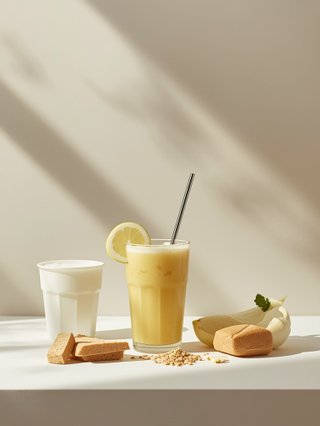
To enhance sleep hygiene, it is advisable to minimize the use of electronic screens before bed and create a comfortable, well-ventilated sleeping environment. Incorporating tryptophan-rich foods into a balanced diet can support sleep quality, while avoiding stimulants like caffeine or alcohol in the evening is recommended. Establishing consistent daily routines and engaging in regular, moderate physical activity can help stabilize sleep patterns, leading to improved rest and better daily health outcomes.
This article is professional premium content (PRO) provided in its entirety.
The Nature of Sleep
Sleep disturbances
How can you ensure proper sleep hygiene?
The ideal time for sleep
Electronics and sleep quality
Light Exposure and Sleep
Optimal sleeping environment
Physical exercise
Nutritional Approach
It's the journey
Summary
Want to apply these guidelines in your daily diet?
Our smart diet generator creates a tailored meal plan in 3 minutes based on the recommendations in this article.
Tags

mgr Tomasz Jankowski
• 25.11.2026Diets Premium Expert
Diets Premium team expert. Specializes in nutrition plans, strength sports, and training plans.