Preventing dehydration on hot days


Table of Contents 5
Medical & Editorial Disclaimer (§3 Terms): This article is for informational and educational purposes only, does not constitute medical advice, diagnosis, or treatment, and is used at your own risk. Consult a qualified physician for medical conditions.
The content explores the intricate dynamics of cellular hydration, emphasizing that simple water intake may not be sufficient when electrolyte balance is disrupted. It explains the critical roles of sodium, potassium, and magnesium in maintaining cellular function and vascular volume. By understanding how these minerals interact with fluid absorption, readers can better appreciate the importance of choosing the right hydration sources to support their internal systems during periods of intense heat.
Practical guidance includes incorporating water-dense fruits and vegetables into the daily diet and preparing balanced isotonic solutions to ensure effective rehydration. Special attention is given to vulnerable populations, such as the elderly and young children, who may require more structured fluid intake strategies. By focusing on nutrient-rich, hydrating foods and maintaining consistent fluid balance, individuals can better protect their health and sustain their well-being throughout the summer season.
Elevated ambient temperatures pose significant challenges to the physiological mechanisms of human thermoregulation. Heavy perspiration causes not only substantial fluid loss but also the depletion of vital electrolyte ions, potentially leading to acute exhaustion, cephalalgia, and life-threatening heatstroke. In this article, we deliver a clinically grounded roadmap detailing cellular hydration dynamics, optimal electrolyte beverage formulation, and heatwave health preservation strategies.
Physiology of Thermoregulation and Fluid Loss During Elevated Temperatures
The human body maintains homeostatic core temperature via hypothalamic neuroregulation, which orchestrates cutaneous vasodilation and sweat gland activation in response to hyperthermia. Evaporative cooling from the skin surface constitutes the primary pathway for dissipation of metabolic and environmental heat.
Under intense heat, sweat rates can easily reach 1 to 2 liters per hour. A fluid deficit of merely 2% of total body mass compromises cardiovascular hemodynamics, impairs cognitive processing, triggers tachycardia, and precipitates orthostatic dizziness.
Electrolytes and Water: The Critical Role of Sodium, Potassium, and Magnesium
Consuming large quantities of demineralized water during heavy sweating can paradoxically worsen physiological dehydration by diluting vascular osmolarity, triggering dilution hyponatremia. Sodium represents the dominant extracellular cation governing osmotic pressure and plasma volume retention.
Simultaneously, intracellular potassium governs transmembrane cellular potential, while magnesium regulates neuromuscular excitability and wards off heat-induced cramps. Comprehensive rehydration demands simultaneous restoration of these fundamental ions.
Optimal Hydration Sources: Mineral Water, Isotonic Solutions, and Herbal Infusions
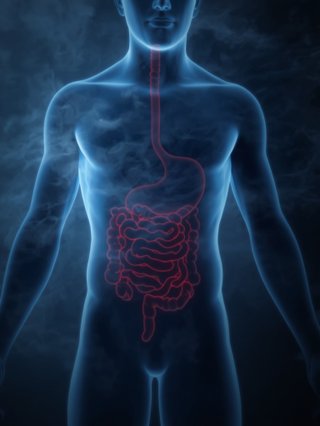
Medium-to-high mineral waters (exceeding 1000 mg/L total dissolved solids) represent the daily baseline of choice. During prolonged heat exposure, isotonic formulations utilizing sodium-glucose cotransport across intestinal enterocytes yield superior mucosal water absorption.
A natural isotonic beverage is easily crafted by blending filtered water with fresh lemon juice, a dash of raw honey, and a pinch of unrefined sea salt. Conversely, alcohol, hypertonic sodas, and excess caffeine should be strictly curtailed due to their diuretic and vasodilatory properties.
Fruits and Vegetables Rich in Structured Water and Bioactive Minerals
Summer diets should incorporate water-dense botanicals providing naturally structured intracellular water enveloped in cellular matrices rich in pectin, enzymes, and flavonoids. Premier hydrators include cucumbers (96% water content), watermelon (92%), tomatoes, strawberries, zucchini, and celery stalks.
Chilled culinary preparations, including kefir-based cold soups (chłodnik) and crisp garden salads, deliver bioactive hydration alongside lactic acid probiotics and polyphenols that mitigate heat-induced systemic oxidative stress.
High-Risk Groups: Protecting the Elderly, Young Children, and Athletes
Heightened vigilance is mandated for geriatric populations, whose thirst perception is blunted and renal concentrating capacity is attenuated. Elderly individuals must be encouraged to ingest fluids on a strict schedule regardless of subjective thirst.
Infants and toddlers, possessing higher body surface area-to-mass ratios, overheat rapidly in hot microclimates. Athletes must monitor body mass changes pre- and post-training, replacing each lost kilogram of sweat with 1.2 to 1.5 liters of balanced electrolyte fluids.
Want to apply these guidelines in your daily diet?
Our smart diet generator creates a tailored meal plan in 3 minutes based on the recommendations in this article.
Tags

Oliwia Kaczmarek
• 25.11.2026Diets Premium Expert
Diets Premium team expert. Specializes in nutrition plans, strength sports, and training plans.