Phytic acid (IP6): biochemical properties, mineral chelation, antioxidant potential, and reduction methods


Table of Contents 4
Medical & Editorial Disclaimer (§3 Terms): This article is for informational and educational purposes only, does not constitute medical advice, diagnosis, or treatment, and is used at your own risk. Consult a qualified physician for medical conditions.
At the biochemical level, phytic acid acts as a potent chelator that interacts with divalent cations within the digestive system. Simultaneously, it functions as a powerful intracellular antioxidant, helping to suppress oxidative stress and protect cellular integrity. This dual nature makes it a critical subject of study, as its presence influences both the bioavailability of essential trace elements and the body's internal defense mechanisms against oxidative damage.
To effectively manage phytic acid levels, one can utilize traditional culinary practices such as soaking, sprouting, and sourdough fermentation. These methods activate endogenous enzymes that naturally reduce the concentration of the compound, thereby improving the absorption of minerals from whole grain products. By incorporating these evidence-based techniques into daily meal preparation, individuals can enjoy the nutritional benefits of plant-based foods while maintaining a healthy balance of essential minerals.
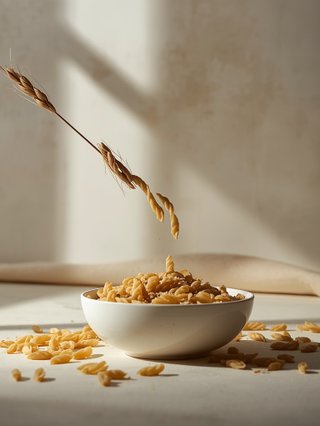
Phytic acid (myo-inositol 1,2,3,4,5,6-hexakisphosphate; IP6) serves as the primary phosphorus reservoir in plant seeds, cereal grains, nuts, and legumes. Long categorized exclusively as an anti-nutrient due to its strong chelation of divalent cations (iron, zinc, calcium, magnesium), modern nutritional science recognizes its dual nature: IP6 acts as a powerful intracellular antioxidant, iron-driven Fenton inhibitor, and anti-neoplastic agent. This monograph explores its biochemical behavior, systemic implications, and evidence-based culinary processing techniques.
Biochemical Architecture and Mineral Chelation Kinetics
The spatial architecture of IP6 determines its extreme affinity for mineral cations:
- Negative Polyphosphate Charge: Anchored around a myo-inositol ring, six phosphate ester groupings carry dense negative charges at luminal digestive pH, driving avid coordination bonds.
- Inhibition of Zinc and Non-Heme Iron: Forms insoluble complexes that resist brush-border enzymatic breakdown, significantly attenuating systemic absorption of non-heme iron and zinc.
- Calcium and Magnesium Sequestration: Substantially reduces ionized calcium and magnesium uptake, demanding thoughtful planning in strict grain- and legume-heavy vegan diets.
Beneficial Pleiotropic Effects: Antioxidant Armor and Anti-Neoplastic Potential
Rigorous contemporary oncology and nutritional biochemistry highlight profound virtues of IP6:
- Fenton Reaction Suppression: By chelating redox-active free iron ions, IP6 completely suppresses the generation of lethal hydroxyl radicals, protecting gut mucosa from oxidative DNA lesions.
- Anti-Neoplastic Signalling: Exhibits antineoplastic activity in colorectal, mammary, and prostate models by downregulating PI3K/Akt survival signaling and upregulating p53 and p21 apoptosis cascades.
- Nephrolithiasis Prevention: Systemically excreted urinary phytate avidly binds ionized calcium, functioning as a physiological inhibitor of calcium oxalate stone crystallization.
Evidence-Based Culinary De-phytinization Methods: Soaking, Sprouting, and Sourdough
Time-tested culinary strategies activate endogenous phytases to selectively degrade IP6:
- Thermal Acidic Soaking: Soaking pulses and grains in warm, slightly acidified water (citrus juice or raw apple cider vinegar) for 12 to 24 hours reduces phytates by 30% to 60%.
- Germination and Sprouting: Initiating seed sprouting triggers dormant phytase enzymes, breaking down 50% to 80% of storage phytates while vastly increasing vitamin synthesis.
- Lactic Sourdough Fermentation: Lactobacilli acidify the dough environment to pH 4.0–4.5, activating cereal phytases and degrading up to 90% of phytate complexes compared to fast-rise commercial yeast doughs.
Strategic Dietary Recommendations for Omnivores, Plant-Based Diets, and Athletes
Optimizing dietary phytate exposure across diverse nutritional models:
- Omnivorous Populations: Normal dietary animal protein intake provides heme iron and readily absorbed zinc, making dietary IP6 predominantly advantageous for longevity and antioxidant defenses.
- Strict Vegetarians and Vegans: Should systematically employ sourdough baking and pairing legume meals with ascorbic acid (vitamin C), which physically counters phytate-mineral chelation.
- Supplementation Scheduling: Essential mineral supplements (zinc, iron, calcium) must be spaced at least two hours away from high-phytate raw muesli or bran meals.
Want to apply these guidelines in your daily diet?
Our smart diet generator creates a tailored meal plan in 3 minutes based on the recommendations in this article.
Tags

Literatura: http://www.fizjologia-zywienia.zut.edu.pl
• 23.10.2026Diets Premium Expert
Diets Premium team expert. Specializes in nutrition plans, strength sports, and training plans.