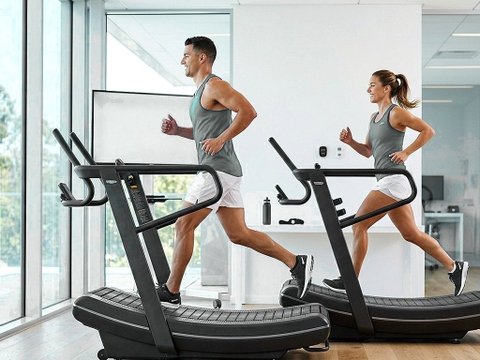
Optimal training strategies for shoulder muscles: shoulder biomechanics, pressing and raising technique
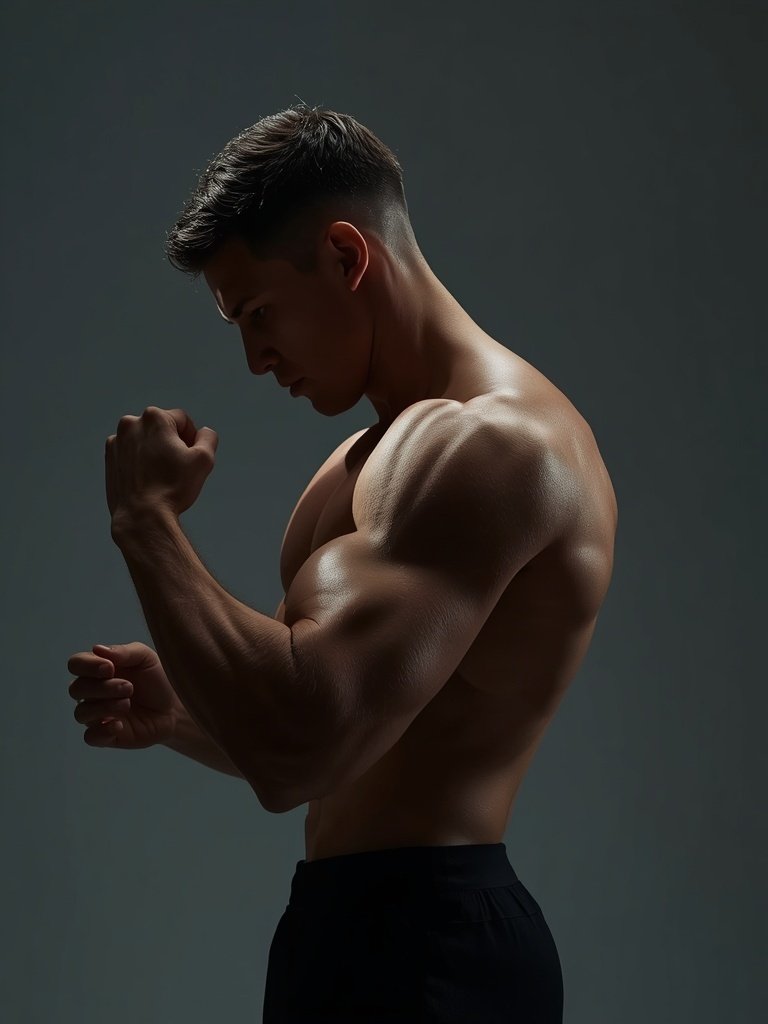
Table of Contents 7
Medical & Editorial Disclaimer (§3 Terms): This article is for informational and educational purposes only, does not constitute medical advice, diagnosis, or treatment, and is used at your own risk. Consult a qualified physician for medical conditions.
Architecturally, the deltoid is partitioned into anterior, lateral, and posterior heads that govern distinct planes of motion. The anterior head drives shoulder flexion and internal rotation, receiving substantial stimulation during horizontal and incline chest pressing, whereas the lateral head governs abduction to build upper-body width. The posterior head works in synergy with external rotators such as the infraspinatus and teres minor to support horizontal abduction and scapular retraction. Furthermore, because the shoulder muscles are frequently engaged in daily tasks, they often possess a notable proportion of endurance-oriented red muscle fibers. During vertical pushing movements like the overhead press, tracking the elbows slightly forward along the scapular plane rather than flaring them directly out to the sides preserves joint congruency and protects the supraspinatus tendon from pinching beneath the acromion.
Translating these biomechanical principles into daily training requires attentive posture and controlled execution. When performing overhead presses, engaging the deep abdominal musculature maintains a natural spinal alignment and prevents excessive ribcage flaring. For lateral isolation with dumbbells or cables, elevating the arms within the scapular plane with neutral wrists and halting the ascent at shoulder level helps prevent unwanted compensation from the upper trapezius. Finally, incorporating rope face pulls into the routine actively strengthens the posterior deltoids and external rotators, fostering balanced shoulder stability and resilient upper-body mechanics.
This article is professional premium content (PRO) provided in its entirety.
The deltoid complex dictates upper-body V-taper aesthetics while functioning alongside the rotator cuff as the primary active stabilizer of the glenohumeral joint—the human body's most mobile articulation. Mastering the functional biomechanics of all three deltoid heads and executing exercises along scapular planes ensures maximum hypertrophy with zero impingement.
Functional Anatomy of the Three Heads: Clavicular, Acromial, and Spinal Deltoids
The deltoid musculature is architecturally partitioned into three distinct heads:
- Anterior (Clavicular) Head: Governs shoulder flexion and internal rotation; extensively stimulated during all horizontal and incline chest pressing, rarely needing direct isolation;
- Lateral (Acromial) Head: Primary driver of glenohumeral abduction up to 90°; critical for lateral silhouette width ('cannonball' deltoid aesthetics);
- Posterior (Spinal) Head: Drives horizontal abduction and external rotation; vital for scapulohumeral balance and preventing internal rotation posture.
Overhead Press Biomechanics: Elbow Trajectory, Scapular Plane, and Rotator Cuff Health
The Overhead Press (OHP) constitutes the foundational compound movement for upper-body vertical pushing. A pervasive technical error is flaring elbows directly out into the frontal plane, precipitating subacromial impingement—pinching the supraspinatus tendon beneath the acromion process.
Elbows must invariably track approximately 30–45° anteriorly relative to the frontal plane—operating along the scapular plane ('scaption'). This orientation maximizes glenohumeral congruency while preserving subacromial clearance.
Lateral Raises and Face Pulls: Isolation Mechanics for Deltoid Hypertrophy and Joint Stability
Optimal lateral deltoid isolation relies on dumbbell or cable lateral raises. The movement must follow the scapular plane with wrists neutral, arresting elevation at 90° abduction to prevent parasitic trap compensation.
For the posterior deltoid and external rotators, Face Pulls using a rope attachment represent an indispensable protocol. Activating the infraspinatus and teres minor, they stabilize scapular retraction and safeguard against common bench-press impingements.
The best shoulder exercises
Squeezing on the shoulders
The shoulders are raised
Shoulder training. A few practical tips
Want to apply these guidelines in your daily diet?
Our smart diet generator creates a tailored meal plan in 3 minutes based on the recommendations in this article.
Tags

Oliwia Kaczmarek
• 25.11.2026Diets Premium Expert
Diets Premium team expert. Specializes in nutrition plans, strength sports, and training plans.