3 min read
Nutrition for people with mobility difficulties


1 photo
774
Smart Voice
AI
0:00
0:00
Listen to the article content live
Table of Contents 4
Medical & Editorial Disclaimer (§3 Terms): This article is for informational and educational purposes only, does not constitute medical advice, diagnosis, or treatment, and is used at your own risk. Consult a qualified physician for medical conditions.
Clinical E-Books & Diet Plans:
Explore E-Books & Plans →
Key Takeaways
Mobility challenges often stem from underlying dysfunctions within the nervous, skeletal, muscular, or vascular systems, directly altering an individual physical activity levels and overall nutritional requirements. Because reduced physical mobility generally leads to a lower total energy expenditure, tailoring daily caloric intake becomes essential to prevent a positive energy balance and unwanted weight gain while maintaining optimal health.
Physiologically, incorporating wholesome foods such as whole grains, oatmeal, brown rice, fresh vegetables, fruits, and lean dairy products like yogurt and kefir supplies crucial vitamins and minerals while keeping overall energy density manageable. At the same time, limiting refined grain products, saturated animal fats, and highly processed sugary items protects metabolic health and supports the cardiovascular system.
Adopting a tailored, balanced nutritional approach contributes significantly to long-term vitality, skin health, and the prevention of chronic conditions such as type two diabetes and cardiovascular disorders. While proper clinical nutrition serves as a powerful preventive tool, these dietary guidelines should always complement professional medical advice rather than replace individual clinical supervision.
Mobility impairments may stem from dysfunctions in various bodily systems, including the nervous, skeletal, muscular, and vascular systems. Regardless of the underlying cause, they affect daily physical activity, thereby influencing nutritional requirements.
01 / 04
Diet and mobility disabilities
Mobility disability is a term that encompasses a broad range of medical conditions and a diverse patient group. In most cases, reduced mobility leads to lower energy expenditure, which in turn decreases the body's caloric requirements. Consequently, the primary dietary difference for individuals with limited mobility compared to healthy populations is a lower caloric intake. However, energy requirements must always be determined on an individual basis. Despite mobility challenges, engaging in suitable physical activity and exercise can help support overall metabolic health.
02 / 04
Dietary guidelines for individuals with mobility challenges
Depending on the type and severity of the disability, energy intake should be calculated using appropriate physical activity coefficients to prevent a positive energy balance and unwanted weight gain. Diets should align with established nutritional guidelines. Consuming ample vegetables and fruit daily—ideally in a ratio of three parts vegetables to one part fruit—provides essential vitamins and minerals while keeping calories in check. Complex carbohydrates from whole grains, oatmeal, and legumes are optimal sources of energy. Fermented dairy products supply valuable protein and calcium. Healthy plant-based oils (such as rapeseed and olive oil) should replace animal fats. Adequate hydration of at least 1.5 liters of water daily and strict limitation of added sugars are essential components of clinical nutritional care.
03 / 04
Recommended and restricted foods
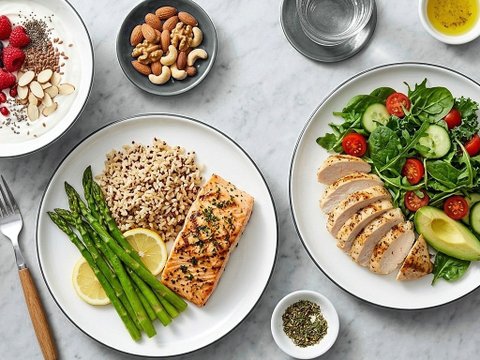
Recommended foods include whole-grain products, oatmeal, brown rice, plant-based oils (rapeseed, olive, and flaxseed oil), fresh or cooked vegetables, fruits, fish, legumes, and low-fat dairy products such as yogurt and kefir. Foods to avoid or strictly limit include refined grain products (white bread, pastries), saturated animal fats (lard, bacon, fatty meats), highly processed sugary foods, ready-made meals, and alcohol.
04 / 04
Health outcomes of a tailored diet
Adhering to a tailored, balanced diet provides extensive health benefits, ranging from improved skin and hair condition to a significantly reduced risk of lifestyle diseases such as type 2 diabetes, cardiovascular disorders, and obesity. Proper clinical nutrition remains one of the most effective preventive interventions.
Meal Plan
Want to apply these guidelines in your daily diet?
Our smart diet generator creates a tailored meal plan in 3 minutes based on the recommendations in this article.

Olivia Davis
• 25.11.2026Diets Premium Expert
Diets Premium team expert. Specializes in nutrition plans, strength sports, and training plans.