3 min read
Nutrition after a Cesarean section

1 photo
779
Smart Voice
AI
0:00
0:00
Listen to the article content live
Table of Contents 5
Medical & Editorial Disclaimer (§3 Terms): This article is for informational and educational purposes only, does not constitute medical advice, diagnosis, or treatment, and is used at your own risk. Consult a qualified physician for medical conditions.
Clinical E-Books & Diet Plans:
Explore E-Books & Plans →
Key Takeaways
A cesarean section is a major surgical procedure that requires dedicated post-operative care to ensure a smooth recovery. A well-structured nutritional approach is vital for replenishing the body, supporting tissue repair, and maintaining the overall health of both mother and baby. By focusing on nutrient-dense foods, one can effectively assist the body in healing and managing the physiological demands that follow the surgery.
The recovery process is supported by the intake of high-quality proteins, iron, and essential vitamins that facilitate wound healing and immune function. It is equally important to avoid foods that cause digestive distress, such as highly processed items, fried dishes, or gas-producing vegetables, which can hinder comfort and nutrient absorption. Adequate hydration through non-carbonated water is essential for maintaining bowel regularity and supporting the body's natural healing mechanisms throughout the post-surgical period.
For daily habits, prioritize gentle cooking methods like steaming, boiling, or stewing to preserve the nutritional value of your meals. Focus on incorporating lean meats, fish, eggs, and wholesome dairy into your diet while avoiding restrictive weight-loss regimens that might deprive the body of necessary energy for lactation and repair. Listening to your body and choosing easily digestible, balanced meals will provide the foundation needed for a healthy and steady recovery.
A cesarean section is a surgical procedure that necessitates proper post-operative care. A well-structured post-cesarean diet is crucial for recovery and ensuring optimal health for both mother and child. It facilitates the delivery of essential nutrients to the body and helps prevent potential complications that may arise following the surgery. What foods are recommended during this period?
01 / 05
Why is post-cesarean nutrition so important?
A proper post-cesarean diet is essential to provide the body with all the nutrients required for post-operative recovery. Deficiencies may result from blood loss during surgery. The dietary goals include supplementing essential nutrients, accelerating wound healing, preventing conditions such as anemia and dehydration, and supporting tissue regeneration. Furthermore, nutrients pass into breast milk and affect the baby, making a well-balanced diet crucial for the health and well-being of both mother and child.
02 / 05
What foods should be consumed after a cesarean section?
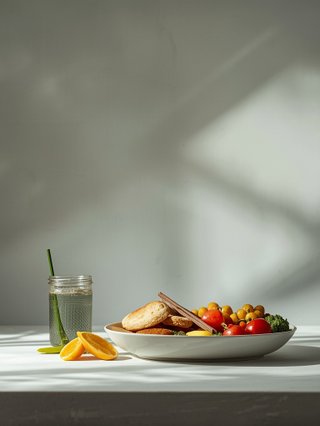
During the initial days post-surgery, intravenous fluids and nutrients are commonly administered. Afterward, the diet transitions to easily digestible, wholesome foods. Recommended items include lean meats, fish, eggs, dairy products such as yogurt and cottage cheese, green leafy vegetables, and plenty of still, non-carbonated water to maintain proper hydration without causing gas.
03 / 05
Which nutrients are especially important for body recovery?
Because pregnancy depletes maternal nutrient stores, the postpartum body requires targeted replenishment. Key micronutrients include iron to combat post-surgical anemia, calcium and high-quality protein for tissue repair, and vitamins C and B-complex to support immune function and accelerate collagen synthesis and wound healing.
04 / 05
What foods should be avoided after a cesarean section?
Certain foods should be restricted post-cesarean as they can cause digestive distress, bloating, and hinder nutrient absorption. The menu should exclude highly processed foods, fast food, fried or greasy dishes, gas-producing vegetables like cabbage, heavy sweets, excessive caffeine, and alcohol, especially while breastfeeding.
05 / 05
What else should be considered regarding food preparation and habits?
To maximize recovery, opt for gentle cooking methods such as boiling, steaming, stewing, or baking without added fats. Strict weight-loss diets should be avoided during this period, as the body requires adequate calories and nutrients for lactation and healing. Consuming at least 1.5 to 2 liters of water daily is vital to prevent dehydration and support bowel regularity.
Meal Plan
Want to apply these guidelines in your daily diet?
Our smart diet generator creates a tailored meal plan in 3 minutes based on the recommendations in this article.

Katarzyna Mazur
• 25.11.2026Diets Premium Expert
Diets Premium team expert. Specializes in nutrition plans, strength sports, and training plans.