Napa cabbage – characteristics, costs, recipes… how to use napa cabbage?
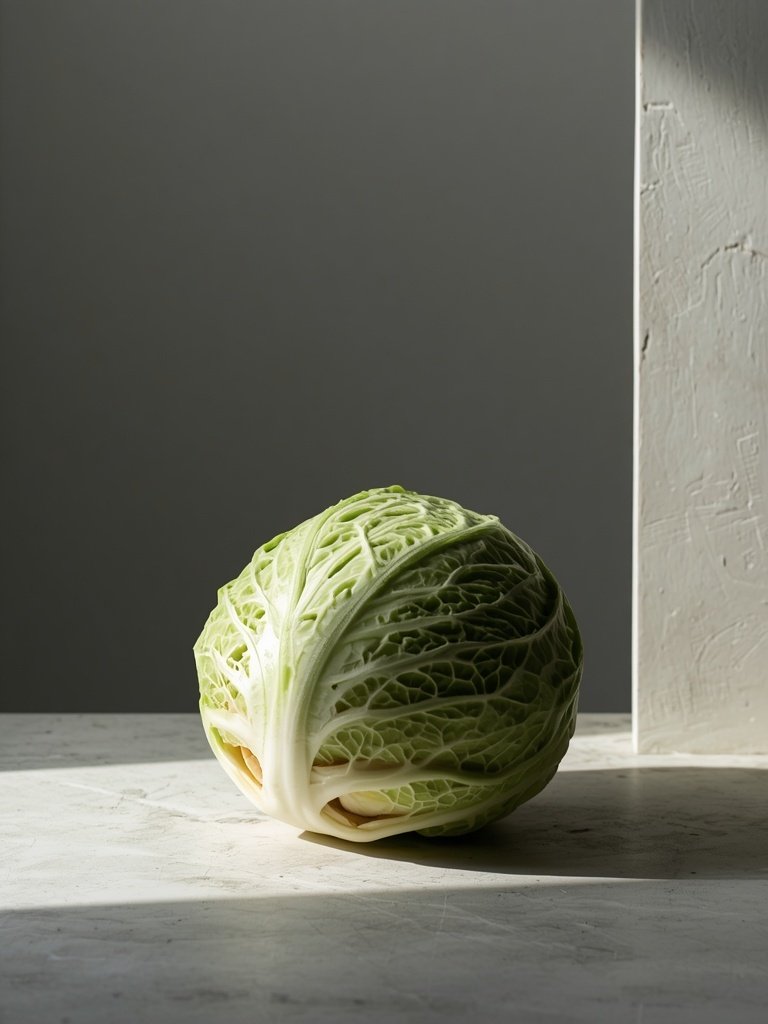
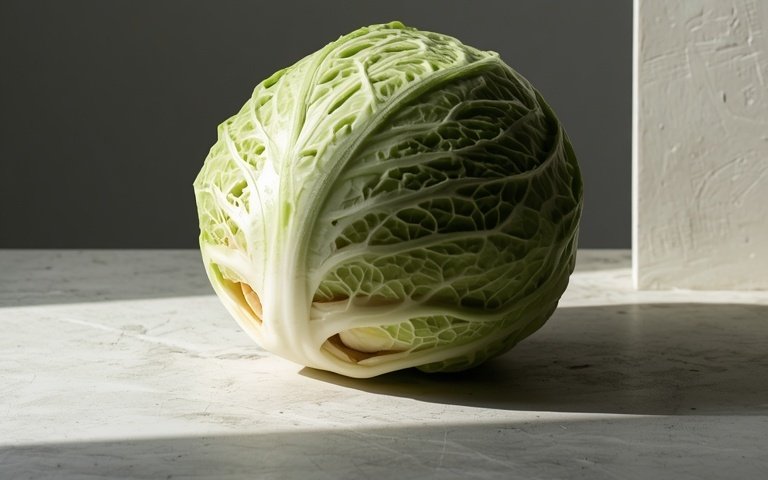
Table of Contents 4
Medical & Editorial Disclaimer (§3 Terms): This article is for informational and educational purposes only, does not constitute medical advice, diagnosis, or treatment, and is used at your own risk. Consult a qualified physician for medical conditions.
Unlike traditional round white head cabbage, Napa cabbage features elongated, oval heads composed of succulent leaves with a gently crinkled, wavy texture that varies in consistency and flavor across different layers. From a clinical nutrition perspective, the vegetable is characterized by a remarkably low caloric density while supplying essential micronutrients, including calcium, iron, vitamin A, and vitamin C. Furthermore, its leaves provide antioxidant compounds that contribute to overall dietary quality and support cellular health as part of a balanced lifestyle.
Beyond its physiological benefits, Napa cabbage offers an exceptional cost-to-nutrition ratio, making it an economical choice for everyday household cooking across Europe, North America, and Asia. A practical way to incorporate it into daily meals is by preparing a crisp raw salad combining rinsed, shredded leaves with fragrant fresh dill, a pinch of sea salt or Himalayan pink salt, and a dressing of extra-virgin olive oil or cold-pressed flaxseed oil. Pairing the raw leaves with high-quality plant oils not only introduces beneficial unsaturated fatty acids into the meal but also supports the absorption of fat-soluble nutrients.
Napa cabbage (Peking cabbage): nutritional profile and distinctive traits
Napa cabbage (Chinese cabbage) – nutritional properties and health benefits
Pricing analysis of Napa cabbage – cost-effectiveness and affordability assessment
Napa cabbage (Peking cabbage) – verified recipes and culinary ideas for every occasion
Want to apply these guidelines in your daily diet?
Our smart diet generator creates a tailored meal plan in 3 minutes based on the recommendations in this article.

Literatura: Goraj S., Libik-Konieczny M., i wsp.: Differences in the activity and concentration of elements of the antioxidant system in different layers of Brassica pekinensis head. J Plant Physiol. 2012 Aug 15;169(12):1158-64. Rozpądek P., Nosek M., i wsp.: Ozone fumigation increases the abundance of nutrients in Brassica vegetables: broccoli (Brassica oleracea var. italica) and Chinese cabbage (Brassica pekinensis). Eur Food Res Technol. 2015;240(2):459-462.
• 25.09.2026Diets Premium Expert
Diets Premium team expert. Specializes in nutrition plans, strength sports, and training plans.