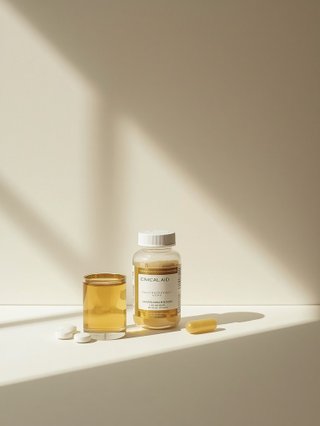
N-acetylcysteine – an overlooked, yet extremely valuable supplement with a broad spectrum of biological activity


Table of Contents 3
Medical & Editorial Disclaimer (§3 Terms): This article is for informational and educational purposes only, does not constitute medical advice, diagnosis, or treatment, and is used at your own risk. Consult a qualified physician for medical conditions.
The article delves into the mechanisms by which NAC operates, including its ability to enhance the stability and bioavailability of L-cysteine. Once inside cells, NAC is deacetylated into free L-cysteine, directly fueling glutathione production. Furthermore, NAC exhibits mucolytic properties, supports liver detoxification, and modulates glutamatergic neurotransmission.
For practical application, oral NAC supplementation is typically recommended in divided doses, ideally consumed earlier in the day. Co-administration with ascorbic acid is suggested to support the stability of the active compounds. However, individuals with certain conditions, such as active peptic ulcers or specific types of asthma, should exercise caution and consult a healthcare professional before use.
N-acetylcysteine (NAC) is the acetylated derivative of the sulfur-containing amino acid L-cysteine, serving as the obligate rate-limiting precursor for endogenous glutathione (GSH) synthesis—the master intracellular antioxidant. Long established in clinical toxicology as the definitive antidote for acetaminophen hepatotoxicity and in pulmonology as a potent mucolytic, contemporary clinical research validates its broader utility in dampening neuroinflammation, modulating glutamatergic signaling, and shielding mitochondrial integrity. This review analyzes biochemical pathways, therapeutic dosing, and contraindications.
N-Acetylcysteine – Molecular Biochemistry and Glutathione Precursor Role
Dietary L-cysteine is chemically unstable within the gastrointestinal tract, spontaneously dimerizing into insoluble cystine. Acetylation of the nitrogen terminus yields N-acetylcysteine, significantly enhancing metabolic stability and membrane permeability. Once internalized into hepatocytes and myocytes, NAC is enzymatically deacetylated into free L-cysteine, directly fueling rate-limiting gamma-glutamylcysteine ligase to assemble reduced glutathione (GSH).
Therapeutic Properties – Mucolysis, Hepatoprotection, and Neuropsychiatry
NAC exerts three distinct evidence-based clinical actions:
- Mucolytic property: Free sulfhydryl (-SH) moieties directly cleave intermolecular disulfide bonds bridging mucoprotein oligomers in respiratory secretions, significantly lowering sputum viscosity.
- Hepatoprotection: Replenishes depleted hepatic GSH reserves to conjugate electrophilic toxic intermediates (such as N-acetyl-p-benzoquinone imine / NAPQI) and mitigates non-alcoholic steatohepatitis.
- Glutamatergic neuro-modulation: Stimulates the astroglial cystine/glutamate antiporter (system xc-), normalizing extrasynaptic glutamate tone and demonstrating therapeutic benefits in obsessive-compulsive disorders (OCD), addiction craving, and affective spectrums.
Dosage Guidelines, Antioxidant Synergy, and Medical Contraindications
Standard oral clinical dosage ranges from 600 to 1,200 mg daily, administered in divided morning and midday doses (avoid bedtime consumption to prevent nocturnal productive coughing). Co-administering ascorbic acid prevents potential spontaneous auto-oxidation of sulfhydryl intermediates.
Contraindications: Active peptic or duodenal ulcer disease (mucolytic action compromises gastric protective barriers), brittle bronchial asthma prone to bronchospasm, and cystinuria.
Want to apply these guidelines in your daily diet?
Our smart diet generator creates a tailored meal plan in 3 minutes based on the recommendations in this article.

Sophia Williams
• 25.11.2026Diets Premium Expert
Diets Premium team expert. Specializes in nutrition plans, strength sports, and training plans.