Liquid chlorophyll extract: properties, natural sources, preparations, and safety of use

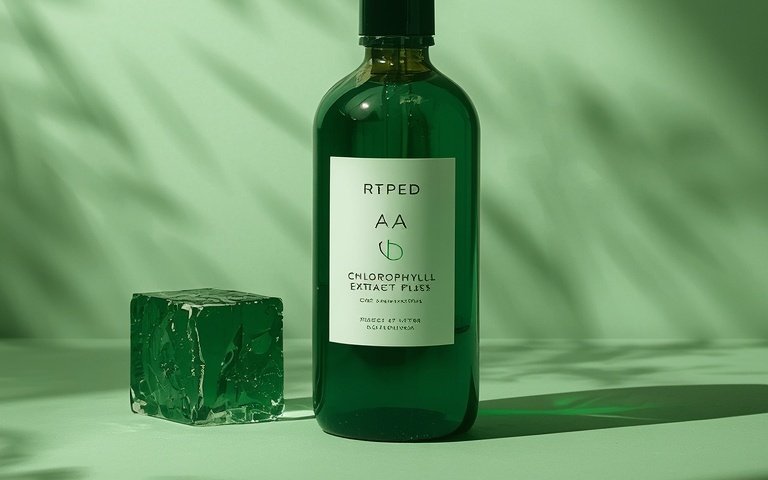
Table of Contents 4
Medical & Editorial Disclaimer (§3 Terms): This article is for informational and educational purposes only, does not constitute medical advice, diagnosis, or treatment, and is used at your own risk. Consult a qualified physician for medical conditions.
A central scientific insight explored in the article is the structural homology between chlorophyll and human heme in hemoglobin, both built around a tetrapyrrole porphyrin ring that coordinates a central magnesium ion in plants rather than the iron atom found in human blood. Because native plant chlorophyll is fat-soluble and fragile when exposed to light and oxygen, commercial liquid supplements typically utilize water-soluble sodium-copper chlorophyllin derived from concentrated alfalfa or dark leafy cultivars for rapid bioavailability. Within the biological system, chlorophyllin helps neutralize reactive oxygen species, intercepts planar aromatic compounds such as aflatoxins and polycyclic aromatic hydrocarbons inside the gut lumen to limit their absorption, and supports healthy erythropoiesis.
For everyday use, consumers should select clean liquid formulations free from synthetic preservatives and artificial flavorings, favoring products naturally flavored with peppermint oil or citrus extracts. Diluting the liquid extract in a glass of water alongside meals supports comfortable digestion, though users should be aware of harmless temporary effects such as a greenish tint in urine or stool and mild digestive softening. Adhering to standard serving guidelines helps prevent gastrointestinal cramping, and pregnant or lactating women should consult a physician prior to supplementation due to limited clinical safety data in these groups.
This article is professional premium content (PRO) provided in its entirety.
Liquid chlorophyll has emerged as a premier dietary supplement celebrated for its antioxidant, hemogenic, and internal deodorizing properties. This clinical overview investigates the biochemical architecture of chlorophyllin, its structural homology to human hemoglobin, scientifically validated physiological benefits, and guidelines for safe, effective supplementation.
Chlorophyll: Characteristics and chemical structure
Chlorophyll is the ubiquitous green photosynthetic pigment found in plants, algae, and cyanobacteria. Biochemically, its molecular architecture consists of a porphyrin ring coordinating a central magnesium ion (Mg²⁺). This tetrapyrrole structure bears an uncanny resemblance to human heme in hemoglobin, with the sole difference being the central coordinated metal (iron in heme versus magnesium in chlorophyll). Because natural chlorophyll is lipophilic and labile when exposed to light and oxygen, commercial liquid supplements utilize chlorophyllin—a semi-synthetic, water-soluble sodium-copper salt that exhibits enhanced biological stability.
Health-promoting properties of chlorophyll
We have been told since we were young that we should eat green vegetables. However, we often do not realize the importance of this obligation. By consuming chlorophyll, we protect our body from free radicals that wreak havoc at the cellular level of our body. Furthermore, the inside of our body is maximally oxygenated due to chlorophyll's high affinity for oxygen, and it is alkalized – in other words, detoxified. Another advantage of chlorophyll is its ability to cleanse the blood and bodily fluids – many toxic compounds are neutralized by this substance. Regulating the function of the digestive system can also be listed among the merits of "green blood." It supports the development of a symbiotic gut flora; one could say that it oversees the cultivation of our food helpers while destroying harmful microorganisms. Where does such a specific action come from? This is because most unfavorable and pathogenic bacteria cannot develop in an oxygen-rich environment – they are anaerobes. In contrast, beneficial bacteria most often need this element to live and develop properly. As mentioned earlier, chlorophyll binds with oxygen and transports it in our cells in a manner similar to hemoglobin, so it can be said that where there is chlorophyll, bacterial disease will not develop. But that's not all! Its role is not limited to fighting microorganisms. Numerous studies prove that the green pigment also combats cancer – it inhibits tumor growth, prevents unwanted DNA changes, and neutralizes many carcinogenic and mutagenic substances. Furthermore, it is used in the treatment of blood disorders, including anemia and hemophilia – it increases the level of red blood cells, is a source of iron and supports its absorption, and also regulates blood clotting and strengthens blood vessel walls (the result of which is, among others, Reduced risk of varicose veins and reduction of existing ones. It is also worth mentioning that chlorophyll is an indispensable helper for people with diabetes because it has the ability to balance blood sugar levels. Dentists also call it a priceless substance because when rinsing the oral cavity, it rapidly alleviates inflammation, wounds, and accelerates the healing of abscesses and many gum diseases. Certainly, its action is being used by an increasing number of breastfeeding women. Chlorophyll stimulates milk production and secretion. It is also an immunomodulator and a source of elements beneficial to the immune system. Furthermore, it regulates the menstrual cycle and the function of the thyroid gland, which is responsible for the body's hormonal balance. It has also been found that chlorophyll alleviates asthma symptoms, helps treat peptic ulcers, all types of rhinitis (e.g., hay fever), inhibits inflammatory conditions developing in any part of the body, including joints. Chlorophyll also affects external appearance. Regular consumption gives the skin an even, "sun-kissed" tone and supports tissue regeneration after prolonged exposure to UV rays. It definitely slows down the aging process and the appearance of wrinkles.
Chlorophyll preparations: Liquid chlorophyllin supplements
Liquid chlorophyll preparations are primarily extracted from concentrated alfalfa (Medicago sativa) or dark leafy cultivars. In liquid form, chlorophyllin offers rapid bioavailability when diluted in a glass of water. A standard therapeutic serving typically delivers 100 to 300 mg of sodium-copper chlorophyllin. High-quality liquid formulations avoid synthetic preservatives and artificial flavorings, relying instead on natural peppermint oil or citrus extracts to enhance palatability.
Dosage, safety profile, and potential side effects
When used as directed, liquid chlorophyll boasts an exemplary safety profile. The recommended daily dosage ranges from 100 mg to 300 mg daily, ideally divided with meals. Minor, harmless side effects may include a temporary greenish discoloration of urine and stool or mild transient digestive softening. Pregnant and lactating women should consult their physician before use due to limited clinical safety data in these populations. Overdosing should be avoided to prevent gastrointestinal cramping.
Want to apply these guidelines in your daily diet?
Our smart diet generator creates a tailored meal plan in 3 minutes based on the recommendations in this article.
Tags

mgr Mateusz Pawlak
• 25.11.2026Diets Premium Expert
Diets Premium team expert. Specializes in nutrition plans, strength sports, and training plans.