Lavender: a plant with documented therapeutic effects and a wide range of uses in various areas of life
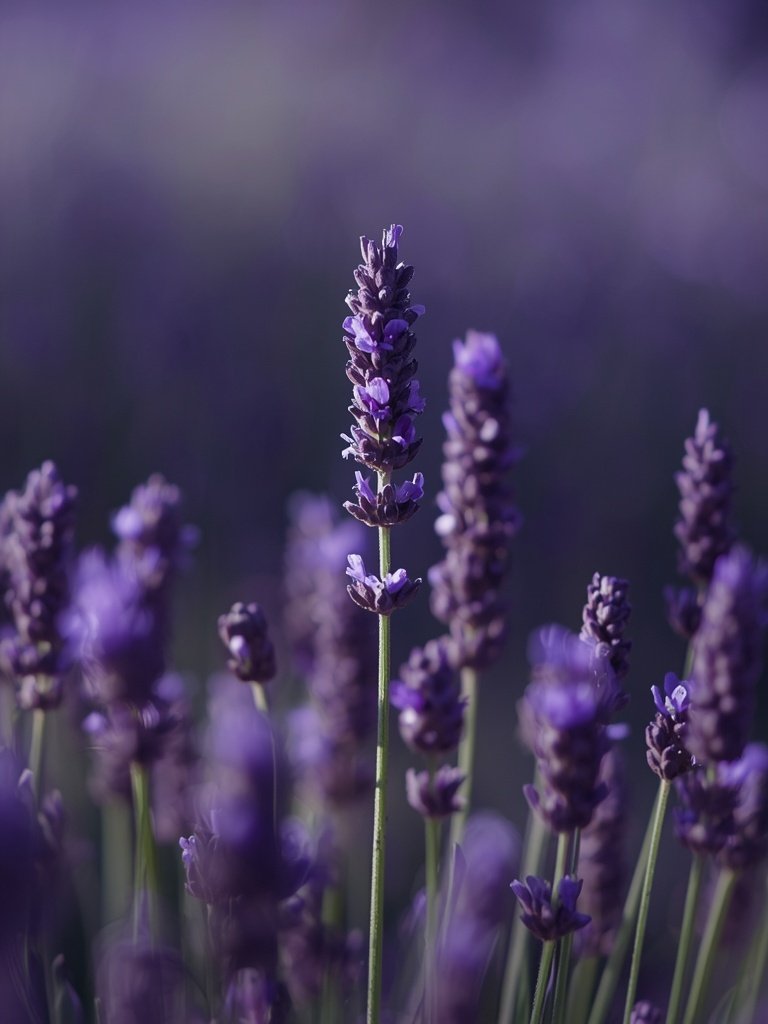
Table of Contents 4
Medical & Editorial Disclaimer (§3 Terms): This article is for informational and educational purposes only, does not constitute medical advice, diagnosis, or treatment, and is used at your own risk. Consult a qualified physician for medical conditions.
The biological potency of the plant resides within the glandular trichomes of its flowering spikes, characterized by a monoterpene fraction rich in linalyl acetate and linalool alongside synergistic constituents such as rosmarinic acid, coumarins, ursolic acid, and luteolin that mediate cellular antioxidant and spasmolytic effects. Neurobiological research demonstrates that these primary monoterpenes interact with the central nervous system by attenuating voltage-operated calcium channels within hippocampal and amygdaloid networks. By moderating presynaptic calcium influx, lavender constituents help restrain excessive excitatory neurotransmission involving glutamate and noradrenaline. Clinical investigations into standardized oral formulations and inhaled aromatherapy indicate that these pathways help ease somatic tension, reduce salivary cortisol during acute situational stress, and support deep slow-wave sleep architecture without causing morning grogginess.
From a practical wellness perspective, true lavender maintains an exemplary safety profile, with occasional mild gastrointestinal eructation representing the primary transient effect observed after oral administration. For topical applications, undiluted essential oil should never be applied directly to mucosal tissues or bare skin due to the risk of allergic contact dermatitis; diluting the extract in a gentle carrier oil such as jojoba or sweet almond oil is essential for safe dermal use. Individuals utilizing prescription sedatives should consult a healthcare professional before integrating concentrated lavender preparations, ensuring responsible monitoring of potential pharmacodynamic synergy.
While lavender is inextricably linked to the picturesque fields of Provence, it is the Croatian island of Hvar that has earned the designation "Lavender Island" owing to its extensive cultivation of this plant, which for decades served as the primary economic foundation for its local population. The variety grown there is regarded as one of the most valuable in Europe—its quality surpasses even that of the renowned Provence lavender, a distinction supported by both traditional assessment methods and contemporary phytochemical research.
Botanical taxonomy and phytochemistry of Lavandula angustifolia
True lavender (Lavandula angustifolia Mill.) of the Lamiaceae family represents one of the most rigorously evaluated botanicals in psychoneuropharmacology. Therapeutic potency is concentrated within the glandular trichomes of the flowering spikes.
Its definitive monoterpene fraction comprises linalyl acetate (30–50%) and linalool (20–40%). Synergistic co-constituents include rosmarinic acid, coumarins, ursolic acid, and luteolin, mediating cellular antioxidant and spasmolytic actions.
Anxiolytic and sedative neuropharmacology on the central nervous system
Neurobiological research delineates clear pharmacodynamic mechanisms for linalool and linalyl acetate within the CNS:
- Voltage-Operated Calcium Channel (VOCC) Inhibition: Exhibiting mechanisms analogous to pregabalin, lavender monoterpenes attenuate P/Q- and N-type calcium channels within hippocampal and amygdaloid networks.
- Suppression of Excitatory Neurotransmission: Reduced presynaptic calcium influx restricts pathological glutamate and noradrenaline exocytosis, alleviating somatic anxiety.
- 5-HT1A Serotonergic Receptor Modulation: Potentiates serotonin-mediated tone, producing robust anxiolytic efficacy without benzodiazepine-like motor sedation or dependence liabilities.
Clinical indications: insomnia, generalized anxiety disorder, and pain modulation
Double-blind randomized controlled trials demonstrate that standardized oral lavender oil (Silexan formulation, 80 mg daily) matches lorazepam and paroxetine in clinical efficacy for Generalized Anxiety Disorder (GAD) and subsyndromal anxiety.
Lavender enhances sleep architecture by prolonging deep slow-wave sleep (NREM Stage 3/4) without morning grogginess. Inhaled aromatherapy significantly reduces salivary cortisol and heart rate variability in acute situational stress.
Toxicological safety profile, topical patch testing, and drug interactions
Lavandula angustifolia maintains an exceptional therapeutic safety index. Mild transient adverse events post-oral ingestion are limited to minor gastrointestinal eructation (lavender-flavored burping).
Undiluted essential oil should not be applied directly to mucosal tissues due to potential allergic contact dermatitis; carrier oils (jojoba, almond) are mandatory. Concurrent use with prescription sedatives or barbiturates warrants clinical monitoring due to pharmacodynamic synergy.
Want to apply these guidelines in your daily diet?
Our smart diet generator creates a tailored meal plan in 3 minutes based on the recommendations in this article.
Tags

Olivia Davis
• 25.11.2026Diets Premium Expert
Diets Premium team expert. Specializes in nutrition plans, strength sports, and training plans.