Is this really what science suggests about eating chips? A hidden, silent killer?


Table of Contents 2
Medical & Editorial Disclaimer (§3 Terms): This article is for informational and educational purposes only, does not constitute medical advice, diagnosis, or treatment, and is used at your own risk. Consult a qualified physician for medical conditions.
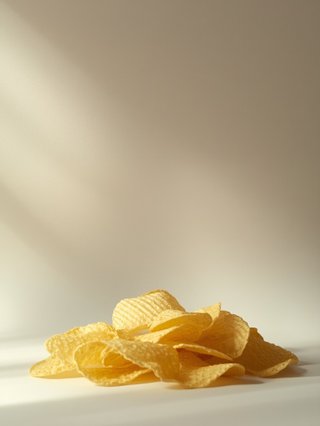
From a physiological standpoint, the text highlights how the deliberate combination of dietary fats and refined carbohydrates triggers pleasure pathways in the brain, creating a rewarding sensory response that makes it difficult to stop eating. Beyond excess energy, artificial dyes, and chemical additives, high-temperature processing of starchy foods like potatoes generates acrylamide. Scientific literature and animal studies cited in the chapters indicate that high exposure to this heat-induced compound carries potential carcinogenic risks and may adversely affect fetal development.
Translating these insights into daily nutrition practice means viewing heavily processed fried snacks as occasional items rather than reliable everyday staples. Planning ahead by keeping wholesome, minimally processed foods accessible helps prevent impulsive choices when hunger strikes away from home. By replacing commercially fried potato snacks with fresh, nutrient-dense alternatives free of artificial additives and thermal processing contaminants, individuals and families can meaningfully support their overall wellness and reduce unnecessary chemical exposure.
Is that why chips attract such a huge fan base?
Why are chips so unhealthy?
Want to apply these guidelines in your daily diet?
Our smart diet generator creates a tailored meal plan in 3 minutes based on the recommendations in this article.
Tags

mgr Tim Klein
Diets Premium Expert
Diets Premium team expert. Specializes in nutrition plans, strength sports, and training plans.