How to provide the body with enough iron


Table of Contents 14
Medical & Editorial Disclaimer (§3 Terms): This article is for informational and educational purposes only, does not constitute medical advice, diagnosis, or treatment, and is used at your own risk. Consult a qualified physician for medical conditions.
Dietary iron is categorized into two distinct forms: heme iron, found in animal-derived foods such as lean meats and organ meats, and non-heme iron, sourced from plant foods like legumes, whole grains, nuts, and leafy green vegetables. Although heme iron boasts superior bioavailability, non-heme iron constitutes the primary portion of overall dietary intake. The absorption efficiency of non-heme iron can be enhanced by pairing iron-rich foods with vitamin C sources or fermented products that create a favorable acidic environment in the digestive tract. Conversely, dietary inhibitors such as phytic acid in grains, polyphenols in coffee and tea, and high concentrations of calcium can impair iron uptake when consumed simultaneously.
To optimize system-wide iron absorption, practical nutritional strategies should be incorporated into daily meal planning. It is beneficial to avoid drinking coffee or tea immediately following iron-containing meals and to consume high-calcium dairy foods separately from primary iron sources. Incorporating fermented vegetables and foods rich in natural acids further facilitates intestinal absorption. If clinical deficiency occurs, oral supplementation should always be managed under professional guidance to prevent tissue accumulation, ensuring a safe and effective approach to maintaining balanced iron status.
This article is professional premium content (PRO) provided in its entirety.
The physiological significance of iron in human biology: Core functions in metabolism and systemic homeostasis
Physiological iron requirements of the body and optimal intake recommendations across different life stages
Causes of iron deficiency
The repercussions and symptomatic manifestations of insufficient iron levels in the human body alongside associated health hazards
Bioavailable iron forms: heme vs. non-heme – key distinctions and determinants of absorption efficiency
Dietary iron sources: A comparative analysis of animal versus plant-based foods in terms of bioavailability and micronutrient concentration
Optimal strategies for enhancing dietary iron bioavailability: A practical guide
What evidence-based strategies exist to enhance dietary iron bioavailability?
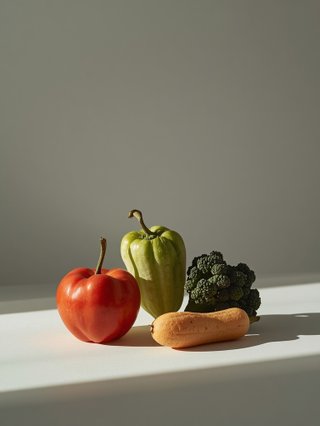
Ascorbic acid—commonly referred to as vitamin C—plays a pivotal biochemical role in the reduction of ferric iron (Fe³⁺) to its ferrous form (Fe²⁺), the latter of which exhibits substantially higher bioavailability within the human gastrointestinal tract. To maximize the absorption efficiency of this essential trace mineral, dietary guidelines strongly advocate the concurrent consumption of iron-rich foods alongside natural sources of vitamin C. Empirical evidence demonstrates a direct correlation: the greater the ascorbic acid concentration in a given meal, the more pronounced the enhancement of non-heme iron absorption—particularly iron derived from plant-based sources. Notably, the facilitatory effect of vitamin C on iron uptake surpasses the inhibitory impact of co-occurring antinutrients in the same foods, such as phytates and polyphenols, which may otherwise impede absorption. However, it is critical to acknowledge that conventional food processing methods—including thermal treatment (e.g., boiling, pasteurization) and prolonged storage—induce significant degradation of vitamin C, thereby diminishing its capacity to augment iron bioavailability. The most concentrated natural sources of ascorbic acid include: acerola cherries, rose hips, blackcurrants, kiwifruit, citrus fruits (oranges, grapefruits, tangerines), strawberries, raspberries, wild strawberries, blueberries, bilberries, as well as cruciferous vegetables such as cabbage, bell peppers (particularly red varieties), raw broccoli, cauliflower, and Brussels sprouts.
Why avoiding tea and coffee immediately after meals matters: Essential guidelines for optimal iron absorption
Incorporating fermented foods (such as pickled cucumbers or sauerkraut) into daily meals
These fermented products contain beneficial strains of lactic acid bacteria that, during digestive processes occurring in the small intestine, generate short-chain fatty acids. These compounds lower the pH of the gastrointestinal environment, thereby enhancing the body’s ability to absorb iron from food. In light of the growing interest in natural methods to improve micronutrient uptake, particular attention should be given to beetroot kvass—a traditional fermented beverage whose regular consumption may yield measurable benefits. Although beetroot itself contains relatively little iron (only 0,8 mg per 100 g), the lactic acid present in beetroot kvass contributes to the breakdown of phytates—antinutritional compounds that inhibit the absorption of this mineral. As a result, even foods with moderate iron content can become a more valuable dietary source of this essential trace element.
Adverse interactions between iron sources and high-calcium foods – dietary combinations to avoid
Minimizing antinutrient content to enhance mineral bioavailability
Oral correction of iron deficiency via pharmaceutical preparations
A Comprehensive Overview of Key Considerations for Optimizing Dietary Iron Intake and Bioavailability
Want to apply these guidelines in your daily diet?
Our smart diet generator creates a tailored meal plan in 3 minutes based on the recommendations in this article.

mgr Emilia Szymańska
• 25.11.2026Diets Premium Expert
Diets Premium team expert. Specializes in nutrition plans, strength sports, and training plans.