PRO
7 min read
How to Effectively Prevent Dehydration
1 photo
515
Smart Voice
AI
0:00
0:00
Listen to the article content live
Table of Contents 14
PRO Content
PRO
This article is professional premium content (PRO) provided in its entirety.
In this article, I will explain how to effectively prevent dehydration, which beverages are the best choice, when to replenish fluid deficits in the body and in what quantities to consume them. I will also examine several hypotheses related to hydration.
01 / 14
The Thirst Mechanism: Physiological Foundations and the Consequences of Disregarding Bodily Signals
Throughout the course of a day—and particularly during physical exertion—the human body loses substantial volumes of water not only through perspiration but also via essential metabolic processes, including urination, defecation, and the exhalation of water vapor during respiration. An imbalance in fluid levels manifests as an intensified sensation of thirst, which serves as the body’s innate warning system indicating an urgent need for rehydration. Regrettably, most individuals only respond once symptoms become pronounced. Neglecting consistent fluid intake can precipitate severe disruptions to homeostatic equilibrium, resulting in diminished physical performance, accelerated onset of fatigue, cephalalgia, vertigo, muscular weakness, and even hazardous hyperthermia. Prolonged disregard for these physiological alerts elevates the likelihood of clinical complications that may permanently impair vital bodily functions and significantly degrade overall well-being.
02 / 14
The Thermoregulatory Mechanism: Why the Body Produces Sweat During Physical Activity
During vigorous physical exertion, active muscle tissues generate substantial quantities of mechanical energy, with excess heat emerging as a byproduct of this metabolic process. The efficiency of this conversion is relatively low—only approximately 25% of the chemical energy consumed is transformed into usable muscular work, while the remaining 75% dissipates as thermal energy. As a direct consequence, the body’s core temperature gradually elevates. To prevent overheating and maintain thermal homeostasis, cooling mechanisms must be activated, the most effective of which is the process of sweating. This involves the secretion of a fluid containing water and electrolytes by the sweat glands, which subsequently evaporates from the skin’s surface, thereby dissipating a significant amount of heat energy. Estimates suggest that for every liter of sweat evaporated, the body loses roughly 580–620 kilocalories of thermal energy. While alternative heat-loss pathways—such as convective air currents or radiative heat emission—do exist, their contribution to overall thermal regulation is minimal compared to the efficiency of sweat evaporation.
03 / 14
Physical exertion and perspiration: individual variability and physiological mechanisms
Over the course of a one-hour exercise session, the human body may excrete up to one liter of sweat, though under more demanding circumstances—such as elevated exercise intensity, extended duration of physical activity, high ambient temperatures, or elevated humidity levels—this volume can double, reaching as much as two liters per hour. The quantity of sweat produced is further influenced by an individual’s overall physical fitness and their degree of acclimatization to hot climates. Notably, significant interindividual variations exist: some individuals may perspire more profusely than others when performing the same workout in identical spatial and temporal conditions. A primary determining factor is body mass—individuals with lower body weight tend to exhibit reduced sweating, which is why, due to inherent anatomical differences, women generally perspire less than men. Additionally, those with higher fitness levels may demonstrate increased sweat production owing to a more efficient thermoregulatory system. In certain cases, heightened perspiration may also be attributable to genetic predispositions or represent an idiosyncratic physiological trait.
04 / 14
Physiological and performance-related consequences of dehydration in the context of physical activity and environmental adaptation
Scientific analysis demonstrates that a 2% reduction in body mass due to water loss may result in a 10–20% decline in maximal oxygen uptake capacity during prolonged physical exertion exceeding 90 minutes. At a 4% deficit, gastrointestinal symptoms such as vomiting, nausea, and diarrhea frequently manifest. A 5% loss of body mass correlates with an approximate 30% decrease in aerobic performance, whereas an 8% fluid deficit induces respiratory difficulties, vertigo, generalized fatigue, and spatial disorientation. Severe dehydration (beyond 8%) can lead to loss of consciousness and, in extreme cases, pose a mortal risk. Conversely, an alternative scientific viewpoint proposes that a moderate water deficit (3–4%) may represent a beneficial environmental adaptation, enhancing athletic outcomes through improved thermoregulatory efficiency and fluid retention mechanisms.
05 / 14
Identifying signs and methods of detecting fluid deficiency in the body during physical activity
During physical exertion, we frequently fail to notice the gradual onset of fluid depletion within the body. Consistently neglecting to replenish lost electrolytes and fluids between training sessions results in the cumulative progression of dehydration. Initial indicators may include psychomotor fatigue, a pervasive sense of exhaustion, diminished appetite, cephalalgia, vertigo, and gastrointestinal discomfort. One of the most straightforward methods for assessing hydration status involves evaluating urine coloration. Under conditions of adequate hydration, urine should exhibit a pale, straw-like hue. A shift toward darker yellow or amber tones signifies elevated solute concentration, which is characteristic of dehydration. Conversely, urine that appears very light or nearly transparent may suggest excessive fluid intake or optimal hydration levels.
06 / 14
The relationship between perspiration and fat reduction: How attire impacts exercise efficiency and the body’s fluid-electrolyte balance
During physical activity, selecting appropriate attire is paramount to ensuring the body’s thermoregulatory processes function optimally. Garments made from non-breathable synthetic fabrics or excessively thick materials—such as tight-fitting tracksuits or heavy jackets—substantially impede the evaporation of sweat, thereby hindering the dissipation of excess heat. The consequences of wearing such clothing include heightened fatigue, elevated sweat production, and diminished physical performance. While some individuals intentionally opt for these garments in the belief that they will accelerate fat loss, this approach fails to deliver the desired outcome: any reduction in body weight stems solely from fluid depletion, which must be replenished promptly post-exercise. Additionally, exercising under these conditions may be perceived as significantly more strenuous and exhausting.
07 / 14
Optimal pre-exercise hydration – the foundation for enhanced athletic performance and physiological well-being
Initiating physical training or participating in athletic competitions while in a state of inadequate hydration can substantially impair performance outcomes, thereby diminishing the likelihood of achieving desired results. Empirical research has consistently demonstrated that even a 2% reduction in body fluid levels relative to total body mass leads to a measurable decline in physical performance among athletes. Conversely, individuals who maintain proper hydration levels do not exhibit such performance decrements. Therefore, ensuring adequate fluid intake prior to commencing exercise is of paramount importance. Researchers from leading American institutions advise a gradual consumption of fluids over a minimum of four hours preceding planned physical activity, at a volume of five to seven milliliters per kilogram of body weight. For instance, an individual weighing 80 kilograms should ingest between 400 and 560 milliliters of fluid. Should the consumed volume not be excreted within two hours, or if urine coloration remains dark, continued hydration is recommended. However, if body weight increases—potentially indicating excessive fluid retention—further forced fluid intake should be avoided to prevent potential electrolyte imbalances.
08 / 14
Maintaining hydration during physical activity: monitoring exercise-induced weight loss
A modest reduction in body weight—up to 2%—during physical exertion typically exerts no discernible impact on either performance metrics or overall training outcomes. However, once this threshold is exceeded, the consequences may include a measurable decline in athletic efficiency and physical capability. To contextualize this: for an individual weighing 75 kilograms, a 2% loss equates to 1.5 kilograms. Notably, under cooler ambient conditions, the body may exhibit an increased tolerance to dehydration surpassing this 2% benchmark. To mitigate potential risks, it is advisable to conduct personalized monitoring of fluid balance. This involves recording body weight both prior to and immediately following exercise sessions. The collected data should then inform adjustments to fluid intake, ensuring that the 2% weight-loss threshold is not breached.
09 / 14
After the drills
Following the completion of an athletic workout, the primary physiological goal is to systematically replenish the fluids depleted through perspiration and metabolic exertion. Adequate rehydration can be achieved through water or isotonic beverages paired with a balanced post-workout meal. Sports science guidelines recommend consuming approximately 150% of the net fluid volume lost during exercise. The most precise methodology for calculating individual rehydration needs involves weighing oneself immediately before and after the training session: for each kilogram of lost body mass, aim to consume 1.2 to 1.5 liters of fluid. Rehydrate in measured increments over time rather than drinking massive quantities at once, as bolus fluid intake accelerates renal clearance and elevates the danger of exercise-associated hyponatremia (critically low blood sodium). If total fluid loss exceeds 5% of body weight, electrolyte-enhanced sports drinks are strongly advised. Sodium is fundamental to hydration homeostasis: drinking excessive plain water without electrolytes dilutes intravascular sodium, prematurely blunting the thirst reflex and triggering diuresis before intracellular rehydration is complete.
10 / 14
Optimal Hydration Timing: When and How to Drink to Maintain Fluid Balance
The fundamental principle of proper hydration revolves around intuitively responding to the body’s natural signals—thirst serves as an innate indicator of fluid requirements. Extensive scientific research confirms that consuming beverages in alignment with one’s subjective perception of thirst yields superior health outcomes compared to rigid adherence to inflexible drinking schedules, whether excessively infrequent or overly frequent. Leading experts from global health organizations emphasize that forcibly increasing fluid intake in the absence of thirst may disrupt electrolyte balance. Furthermore, consistent fluid replenishment supports the maintenance of a healthy body weight by optimizing metabolic efficiency. It is advisable to consume beverages at a moderately cool temperature ranging from 15 to 22 degrees Celsius, as this facilitates faster absorption and enhances thermal comfort.
11 / 14
Which beverages should you choose for optimal hydration of the body?
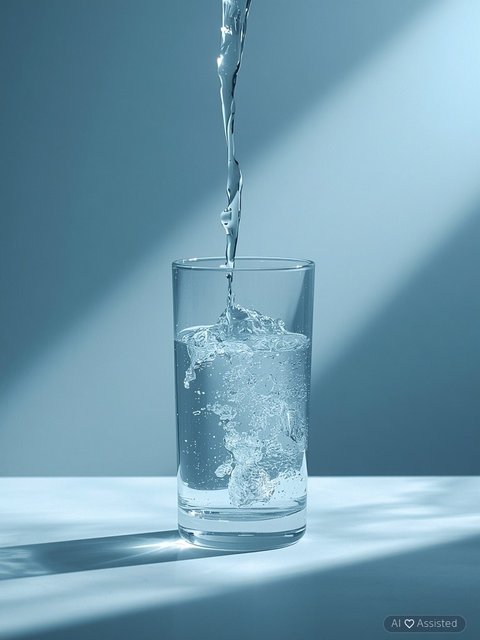
Which fluids are advisable to consume in order to maintain proper hydration levels in the body? While mineral water remains the cornerstone, there are additional considerations that may enhance the process of sustaining water-electrolyte balance. Are there viable alternatives that could complement a daily diet in the context of achieving an optimal fluid equilibrium?
12 / 14
Hydration during low-to-moderate intensity physical activity
During physical exertion of low to moderate intensity with a duration not exceeding sixty minutes—such as brisk walking, steady jogging, or leisurely swimming—consumption of plain, non-carbonated water will prove entirely adequate. This is because, under these conditions, the body’s fluid loss remains relatively minimal, eliminating the need for supplementary electrolyte intake or isotonic beverage consumption.
13 / 14
High-endurance athletic beverage designed for prolonged physical exertion
This formulation represents an ideal solution for high-intensity physical activities exceeding sixty minutes in duration—such as long-distance cycling sessions, fast-paced squash or tennis matches, or 10-kilometer runs. These beverages are characterized by a carbohydrate concentration of up to eight grams per one hundred milliliters of liquid. Regular consumption facilitates enhanced fluid retention within bodily tissues, ensures a steady supply of essential energy substrates to working muscles, significantly boosts overall physical endurance, and systematically delays the onset of muscular fatigue symptoms.
14 / 14
Dairy-based beverages and optimal bodily hydration: A comprehensive review of scientific evidence and practical guidelines
Emerging scientific evidence strongly indicates that the consumption of low-fat milk may substantially enhance hydration processes within the human body, particularly in the context of physical exertion. Notably, beverages that combine both carbohydrates and modest quantities of protein—such as specialized sports nutrition formulations or natural dairy products—demonstrate an enhanced capacity to promote fluid retention. Clinical investigations have corroborated that such nutrient compositions contribute to a more efficient maintenance of water-electrolyte balance following physical activity. It is critical to emphasize that maintaining adequate hydration should be an integral component of daily habits rather than an intermittent measure reserved solely for training sessions or competitive events. As a foundational method for calculating individual water requirements, nutrition experts advocate employing a ratio whereby each dietary kilocalorie corresponds to one milliliter of fluid. Based on this guideline, the minimum daily intake for sedentary individuals is estimated at between two and two and a half liters for men and between one and a half to two and a half liters for women. However, these values are subject to variation depending on factors such as age, body mass, height, and total daily energy expenditure. Given the challenges associated with precisely tracking fluid consumption, specialists recommend monitoring urine color as an indicator of hydration status and—equally importantly—heeding the body’s signals manifested as thirst. Furthermore, it is essential to note that the vast majority of common beverages, including coffee and tea, exert a positive effect on fluid balance, contrary to persistent myths suggesting dehydrating properties.
Meal Plan
Want to apply these guidelines in your daily diet?
Our smart diet generator creates a tailored meal plan in 3 minutes based on the recommendations in this article.

Scientifically reviewed by a clinical dietitian
• 25.09.2026
mgr Tomasz Jankowski
Diets Premium Expert
Diets Premium team expert. Specializes in nutrition plans, strength sports, and training plans.
USDA FoodData Central
EFSA
PubMed Clinical Guidelines