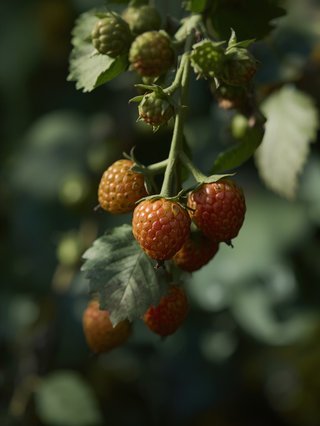
Fruits – a rich source of health-friendly substances


Table of Contents 7
Medical & Editorial Disclaimer (§3 Terms): This article is for informational and educational purposes only, does not constitute medical advice, diagnosis, or treatment, and is used at your own risk. Consult a qualified physician for medical conditions.
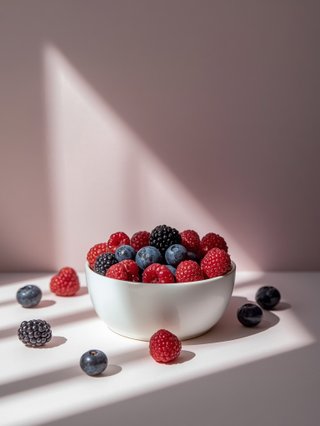
The key physiological benefits of these fruits stem from their dense concentration of bioactive polyphenols and anthocyanins. These potent antioxidants systematically scavenge free radicals, thereby reducing the oxidative stress linked to metabolic imbalances and cellular aging. Furthermore, the notable fiber content aids in optimal digestive transit, supports healthy metabolic regulation, and contributes to sustained satiety throughout the day.
From a practical culinary perspective, these berries are remarkably versatile and easily integrated into daily nutrition. They enhance morning smoothies, chia seed preparations, and fresh fruit bowls, while their pleasantly tart profile complements savory chicken salads, creamy cheeses, and light dressings. Making these antioxidant-rich fruits a staple in routine meal planning is a simple, effective step toward improving nutritional quality and supporting metabolic health.
This article is professional premium content (PRO) provided in its entirety.
Fundamental insights about blackberries
Nutritional composition of blackberries
Blackberries – health-promoting properties and nutritional values
The utilization of blackberry fruits in cooking
Beverage with the inclusion of blackberries
Colorful salad with chicken and berries
Chia Seed Pudding with Blueberries
Want to apply these guidelines in your daily diet?
Our smart diet generator creates a tailored meal plan in 3 minutes based on the recommendations in this article.

mgr Bienkiewicz M., Bator E., Bronkowska M., Błonnik pokarmowy i jego znaczenie w profilaktyce zdrowotnej, „Problemy Higieny i Epidemiologii” 2015, 96(1), 57–63. Blackberries, raw, fdc.nal.usda.gov/fdc-app.html#/food-details/173946/nutrients (19.09.2022). Gheribi E., Znaczenie związków polifenolowych z owoców i warzyw w dietoterapii miażdżycy, „Medycyna Rodzinna” 2013, 4, 149–153. Grabek-Lejko D., Jeżyny (Rubus sp.) jako źródło substancji biologicznie aktywnych o potencjalnym zastosowaniu medycznym, „Postępy Fitoterapii” 2016, 3, 218–226. Macierzyński J. et al., Skład polifenolowy owoców jeżyny Rubus fruticosus, „Żywność. Nauka. Technologia. Jakość” 2014, 5(96), 183–194. Parus A., Przeciwutleniające i farmakologiczne właściwości kwasów fenolowych, „Postępy Fitoterapii” 2013, 1, 48–53. Xu T., Yin Y., Samtani J.B., Blackberry Fruit: Nutrition Facts and Health Benefits, „Virginia Tech” 2022.
• 17.03.2026Diets Premium Expert
Diets Premium team expert. Specializes in nutrition plans, strength sports, and training plans.