Complete home first aid kit: essential equipment, safe storage, and medication management
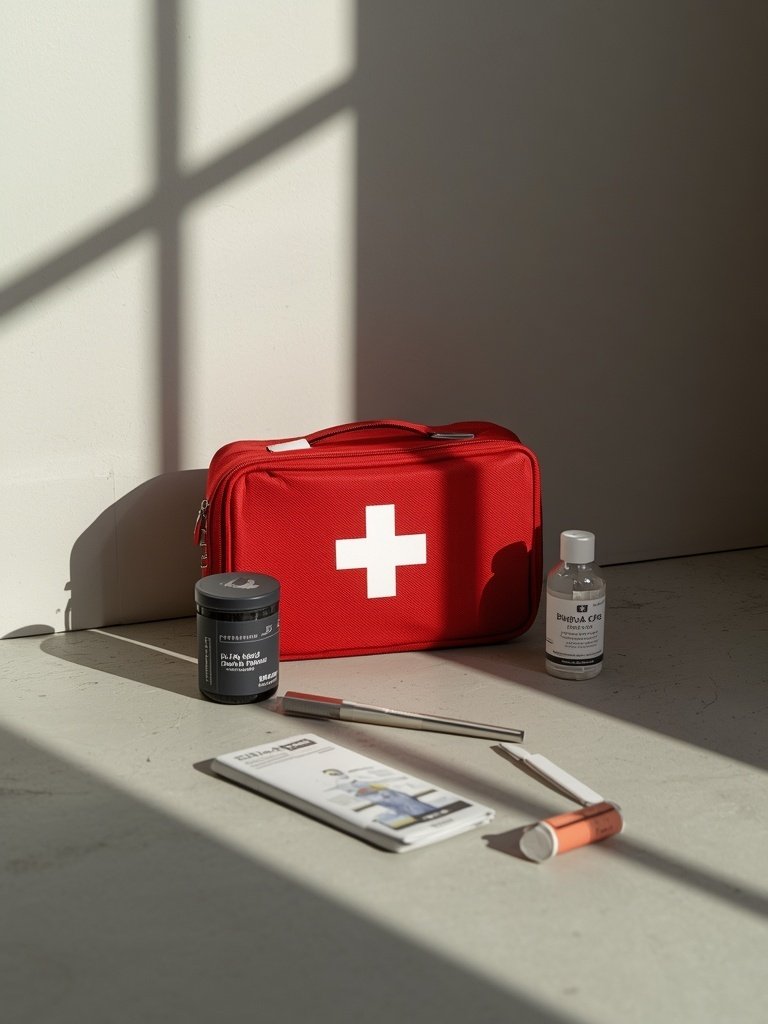

Table of Contents 3
Medical & Editorial Disclaimer (§3 Terms): This article is for informational and educational purposes only, does not constitute medical advice, diagnosis, or treatment, and is used at your own risk. Consult a qualified physician for medical conditions.
A functional pharmacological inventory balances core over-the-counter medications—such as acetaminophen and ibuprofen for pain and fever, alongside oral rehydration salts—with advanced wound-care biomaterials. Modern first-aid provisions emphasize non-cytotoxic aqueous antiseptics like octenidine, sterile hydrogel dressings for thermal burns, and clinical-grade digital thermometry. Crucially, storage architecture dictates pharmaceutical stability: high humidity and temperature fluctuations found in bathrooms and kitchens accelerate active compound degradation. Consequently, medications belong in a cool, dark, dry space, secured within child-resistant, elevated cabinetry to prevent accidental pediatric ingestion.
Maintaining domestic medical readiness requires systematic inventory audits to identify and safely dispose of expired pharmaceuticals, which may undergo chemical breakdown or lose clinical efficacy. Ensuring age-appropriate formulations and maintaining functional hardware safeguards household members, fostering a prepared and health-conscious living environment.
A well-curated domestic first-aid cabinet represents a critical safety baseline for every household, enabling rapid emergency response to acute trauma, thermal burns, pediatric febrile episodes, and poisonings. Frequently, however, household medical reserves consist of disorganized, expired pharmaceuticals stored improperly in humid, thermally fluctuating bathrooms. This comprehensive guide outlines standardized OTC medications, advanced sterile trauma dressings, child-resistant storage protocols, and systematic biannual inventory audits.
Essential Pharmacological Inventory: Analgesics, Antipyretics, Electrolytes, and Antihistamines
A functional home pharmacy incorporates validated first-line over-the-counter pharmaceuticals:
- Core Antipyretics and Analgesics: Acetaminophen/paracetamol (the primary baseline antipyretic for pediatrics, pregnancy, and elderly patients devoid of gastric irritation) alongside ibuprofen (providing anti-inflammatory efficacy for odontogenic or musculoskeletal pain). Maintain age-appropriate formulations (calibrated oral syringes for liquid suspensions).
- Standardized Oral Rehydration Salts (ORS): WHO-formulated glucose-electrolyte packets—indispensable for preventing catastrophic dehydration during viral gastroenteritis and pediatric febrile illness.
- Second-Generation Non-Sedating Antihistamines: Cetirizine, loratadine, or bilastine for rapid mitigation of acute allergic manifestations (urticaria, hymenoptera stings, acute rhinitis).
- Gastrointestinal Adsorbents and Carminatives: Medical-grade activated charcoal (for accidental non-corrosive toxic ingestions under poison control guidance), simethicone for gas-distension pain, and stable probiotics (Saccharomyces boulardii).
Advanced Trauma Dressings and Hardware: Digital Thermometry, Hydrogels, and Wound Strips
Trauma management demands sterile hardware and burn-care biomaterials:
- Validated Digital Thermometry: A calibrated flexible-tip electronic thermistor or clinical-grade infrared tympanic thermometer, periodically inspected for battery viability.
- Non-Cytotoxic Aqueous Antiseptics: Standardized octenidine dihydrochloride spray—non-stinging, non-staining, and devoid of tissue necrosis liabilities associated with obsolete rubbing alcohols.
- Sterile Hydrogel Burn Dressings: Purified water-based hydrogel sheets or gels that rapidly dissipate dermal thermal energy via latent heat of evaporation, halting deep coagulative zone expansion.
- Comprehensive Dressing Kit: Assorted sterile non-adherent gauze compresses, self-cohesive elastic support bandages, hypoallergenic adhesive tape, reinforced skin closure strips (Steri-Strips), blunt-ended surgical bandage scissors, precision splinter forceps, and examination nitriles.
Storage Architecture: Pediatric Poisoning Safeguards and Proper Pharmaceutical Disposal
Pharmaceutical stability and home safety mandate strict storage architecture:
- Prohibition of Bathroom and Kitchen Placement: Elevated relative humidity and cyclical thermal spikes in domestic bathrooms catalyze chemical ester hydrolysis and rapid degradative breakdown. The kit belongs in a cool (15°C to 25°C / 59°F to 77°F), dry, dark location.
- Child-Resistant Locking Cabinets: Storage must be wall-mounted above child reach and secured with tamper-resistant locks to prevent accidental pediatric ingestion, a leading cause of childhood poison admissions.
- Biannual Expiration Audits: Comprehensive audits conducted every 6 months. Discard expired stocks; ophthalmic drops lose antimicrobial sterility 28 days post-unsealing.
- Ecological Pharmaceutical Disposal: Pharmaceuticals must never be flushed into municipal waterways or general household garbage to prevent aquatic bioaccumulation. Expired medications must be surrendered at certified pharmacy collection drop-boxes.
Want to apply these guidelines in your daily diet?
Our smart diet generator creates a tailored meal plan in 3 minutes based on the recommendations in this article.
Tags

Laura Schneider
• 25.11.2026Diets Premium Expert
Diets Premium team expert. Specializes in nutrition plans, strength sports, and training plans.