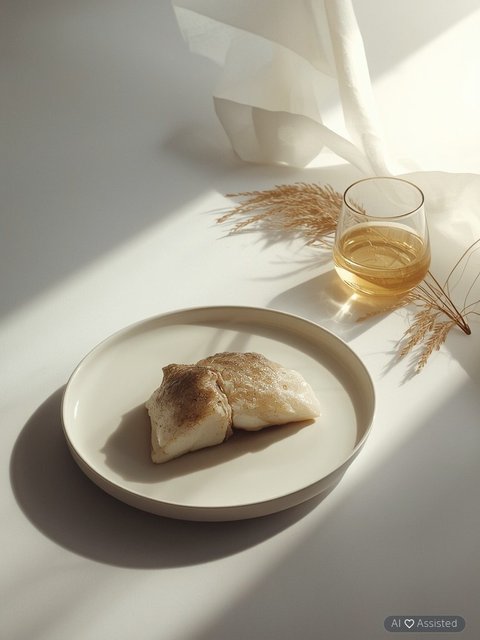
Culinary World - Japanese Breakfast

1 photo
774
Smart Voice
AI
0:00
0:00
Listen to the article content live
Table of Contents 10
The Japanese cuisine, which was shaped by many factors, including China and Korea, from which Buddhism was adopted, avoids meat for religious reasons. This is also reflected in the current dietary habits of the Japanese. There is no doubt that the first thing that comes to mind is sushi. But what is actually consumed traditionally for breakfast?
01 / 10
General description of the characteristics of Japanese cuisine
The foundation of the diet consists of rice, fish, and soy products. Vegetables and fish are chosen according to the time of year. For centuries, consuming mammal meat was prohibited (with the exception of the whale, which was once classified as a fish). Red meat was only allowed to be consumed publicly after the Meiji Restoration, which occurred in the second half of the 19th century. During this time, the country opened itself up to the influence of other cultures. The consumption of vegetables has never been high and continues to decrease due to progress and the introduction of highly processed foods. However, seaweed plays a significant role. The Japanese cuisine does not use many spices. For seasoning dishes, primarily soy sauce, dashi (broth made from smoked and dried bonito fish and seaweed), mirin (liquid made from fermented rice and rice wine), vinegar, sugar, and salt are used. Delicate flavors and aromas are preferred. Sweet dishes have a small share in traditional Japanese cuisine. Japanese people much more frequently seek the taste of umami in their favorite dishes.
02 / 10
A traditional Japanese breakfast
A traditional Japanese breakfast differs from what we are used to, such as fruit porridge, omelette or toast. Breakfast in Japan is served as several small bowls. Traditional etiquette prohibits the mixing of products, and older people who adhere to tradition may feel repulsed when additives blend with rice. The breakfast resembles more of a lunch or dinner and often consists of leftovers from the previous day. It is usually light, small, and without greasy or deep-fried dishes. At least one product should be served hot. The bowls typically contain: - rice, - fish, - eggs, - vegetables, - natto, - miso soup.
03 / 10
Unique constituents of a Japanese breakfast
This component is typically white and short-grained, prepared in many households in special rice cookers, traditionally cooked in water or steam. The significance of this product is evident in the fact that the word rice (gohan) is a Japanese synonym for meal. Customarily, breakfast is referred to asasagohan, which translates to morning rice, and dinner as bangohan, or evening rice.
04 / 10
Sea creatures of fish
It is usually presented for breakfast in the form of fried or baked. Japanese also consume smoked or canned fish. They most often opt for salmon or mackerel. Fried tofu is typically used as a substitute for fish in vegetarian diets.
05 / 10
Eggs
– in Japan are also a frequently chosen component of breakfast. Most often, planted eggs or a folded omelet known as tamagoyaki are served. Special rectangular pans have been developed for the preparation of this dish, which enable the egg to be given the correct form. To make the tamagoyaki particularly airy, the eggs are poured through a sieve several times. The dish can be enhanced in flavor with dashi or served sweet, for example, with bean paste. Such an omelette is cut into slices. For breakfast, rice with raw egg is also served.
06 / 10
Fruit and vegetables
Usually in the form of salads, often made from canned or marinated products. Common ingredients include Peking cabbage, green beans, cucumbers, eggplants, and seaweed. Pickled plums, lotus root, and Japanese radish are interesting additions.
07 / 10
Natto - the disputed dish made from starch-fermented soybean
– this is a disputed dish prepared from starch-fermented soybean. It is characterized by a very distinctive, slippery texture and a pronounced odor. Sometimes, it can cause aversion among tourists and its tasting can be a challenge. However, it is worth paying attention to its high nutritional value. Natto is a valuable source of protein, vitamins D and K, calcium, iron, magnesium, potassium, and selenium.
08 / 10
Soup made with mugi miso
This traditional Japanese soup is commonly chosen for breakfast. It is prepared with mugi miso, a paste made from fermented soybeans and wheat, and dashi, a broth of dried and smoked bonito fish and walnuts. In addition to the soup, tofu, chopped green onion, mushrooms, and wakame seaweed are often added. Green tea is usually served hot or cold for breakfast.
09 / 10
I wonder if anything's changed
Apart from the traditional dishes mentioned above, in Japan, rice porridge (favorite of children) is served for breakfast, but usually not as sweet and with pickled vegetables and fish. Sweet meals at the beginning of the day are rarely eaten, and if so, the most commonly chosen accompaniments are bananas, honey or ginger. In Japanese cuisine, Western influences are also visible, from a blend of cultures, Shokupan emerged - a Japanese soft, fluffy bread loaf, crispy on the outside and soft on the inside. The secret of this bread is cooking flour with boiling water, which gives it a delicate and fluffy texture. Japanese people like to slice it into very thick slices, even 3 centimeters thick. They fry it with cheese or serve it as a dessert - with chocolate sauce, ice cream, or whipped cream.
10 / 10
What it is advantageous to include in your dietary regimen
The Japanese are one of the longest-lived nations in the world and one of the least affected by cardiovascular diseases. These benefits stem from their healthy lifestyle and dietary regimen. Their diet consists of fish, seafood, and seaweed, which are rarely found in other cuisines. Such a diet is rich in polyunsaturated fatty acids such as omega-3 and omega-6, but low in saturated fats. Another advantage of Japanese cuisine is the frequent use of fermentation as a means of preserving foods. In the past, before other forms of food preservation and storage were known, this was necessary, but today it is tradition. Kimchi is frequently prepared from soy, Chinese cabbage, carrots, cabbage, and onions. Fermentation improves digestion and absorption of nutrients. Probiotic bacteria promote the function of the digestive tract by regulating bowel function and supporting the immune system. In Japan, emphasis is placed on the seasonality and naturalness of products. Raw products are consumed more often than in other countries. If they are heated, the heating is short, so the food retains more valuable nutrients, especially vitamins. However, one should pay attention to the high salt content in products such as soy sauce or miso paste. This is especially important for people with high blood pressure. Japanese cuisine is considered one of the healthiest in the world, and drawing inspiration from it when preparing breakfast will certainly be beneficial to health.
Meal Plan
Want to apply these guidelines in your daily diet?
Our smart diet generator creates a tailored meal plan in 3 minutes based on the recommendations in this article.

Scientifically reviewed by a clinical dietitian
• 20.03.2026
History of Japanese Cuisine, japanfoodstyle.com/history-of-japanese-cuisine/ (16.08.2021). Japan, foodbycountry.com/Germany-to-Japan/Japan.html (16.08.2021). Japanese Meals, japancentre.com/en/cookings/61-japanese-meals (16.08.2021). Japoński chleb SHOKUPAN, mochiko.pl/japonski-chleb-shokupan/ (16.08.2021). Traditional Japanese Breakfast and How To Make It At Home, justonecookbook.com/traditional-japanese-breakfast-at-home/ (16.08.2021). Yoshizuka S., How to Prepare a Traditional Japanese Breakfast, thespruceeats.com/traditional-japanese-breakfast-2030063 (16.08.2021). 20 simple and healthy japanese breakfast recipes to start your day, teabreakfast.com/japanese-breakfast-recipes/ (16.08.2021).
Diets Premium Expert
Diets Premium team expert. Specializes in nutrition plans, strength sports, and training plans.
USDA FoodData Central
EFSA
PubMed Clinical Guidelines