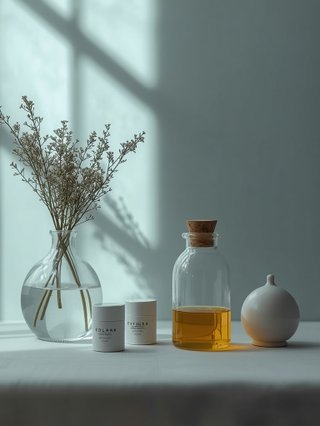
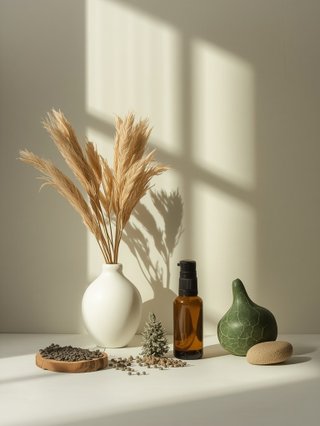
Ingredients for homemade antibacterial gel
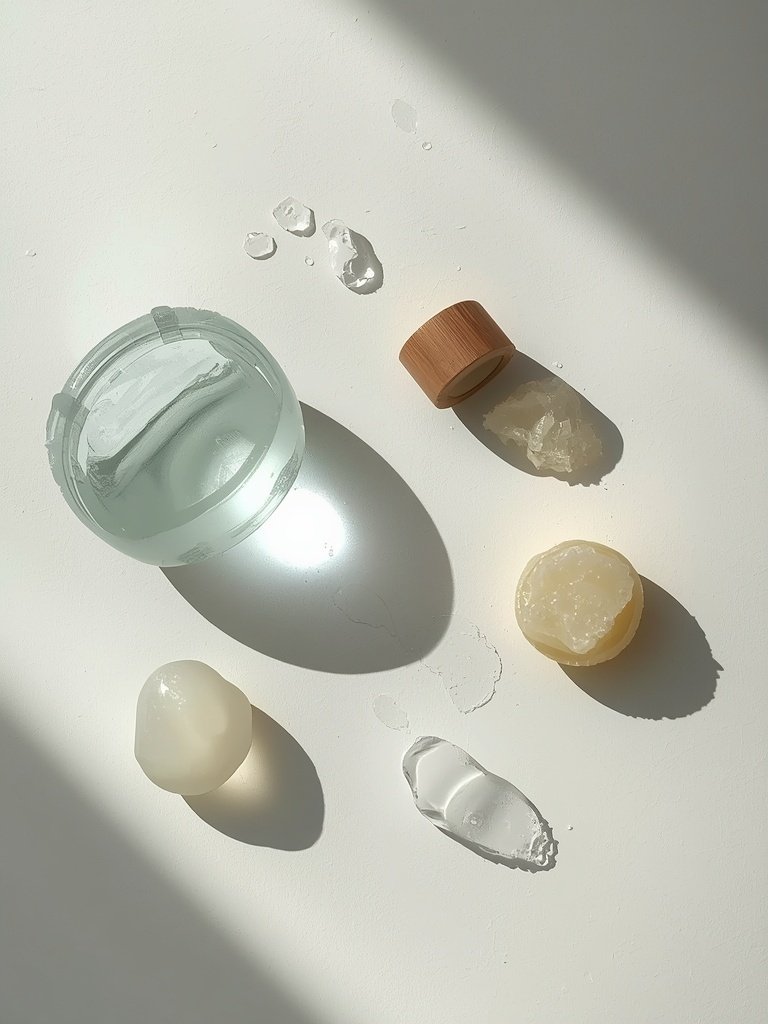
Table of Contents 5
Medical & Editorial Disclaimer (§3 Terms): This article is for informational and educational purposes only, does not constitute medical advice, diagnosis, or treatment, and is used at your own risk. Consult a qualified physician for medical conditions.
The efficacy of a homemade formulation relies heavily on selecting the proper alcohol base alongside soothing botanical carriers. Standard distilled spirits with lower alcohol concentrations are insufficient for neutralizing pathogens, making high-proof ethyl or isopropyl alcohol mandatory as the primary active agent. To counteract the drying nature of strong alcohol and establish a smooth, practical consistency, pure aloe vera gel—often enriched with restorative vitamin E—serves as a hydrating structural base. Furthermore, incorporating high-quality essential oils helps mask the harsh, pungent scent of the alcohol base while providing a pleasant, calming aromatic profile during frequent daily use.
When preparing a sanitizing gel at home, maintaining the proper balance between the high-proof alcohol and the pure aloe vera gel is vital to ensure the mixture retains both its cleansing capability and a comfortable, non-runny texture. Carrying a small container of this homemade preparation offers convenient protection when traveling or navigating public spaces where handrails, doorknobs, and transit surfaces harbor everyday contaminants. Ultimately, an alcohol-based hand gel serves as a practical on-the-go safeguard when soap and running water are unavailable, complementing regular handwashing routines.
Essential components of DIY antibacterial hand gel: Selecting the correct alcohol base for optimal efficacy
Constituent elements of a homemade antiseptic formulation based on aloe vera gel – a comprehensive breakdown
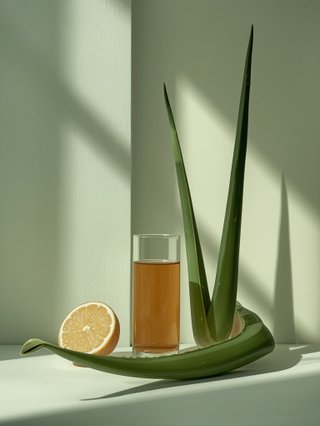
The ideal, thickened texture of a homemade disinfectant solution can be achieved through the incorporation of premium-quality aloe vera gel, which serves as a foundational ingredient in do-it-yourself antibacterial formulations. This gel is readily accessible in both brick-and-mortar pharmacies and chain drugstores, frequently available in enhanced versions supplemented with active compounds—such as vitamin E, renowned for its restorative properties. Aloe vera, a botanical species with well-documented moisturizing effects, fulfills a dual purpose in these preparations: firstly, it mitigates the risk of epidermal dehydration caused by repeated exposure to high concentrations of ethyl alcohol, and secondly, it facilitates the maintenance of adequate skin hydration levels, thereby preventing the formation of microtraumas such as fissures or irritations.
Consistent use of aloe vera gel in the composition of homemade antibacterial agents ensures not only effective protection against pathogenic microorganisms but also comprehensive skin care—a consideration of particular importance during periods of heightened hygiene practices, when the epidermis is subjected to the effects of harsh chemical agents. Owing to its soothing and regenerative attributes, aloe vera constitutes an indispensable component in formulations designed to merge disinfectant efficacy with dermatological well-being.
Natural fragrance enhancers for homemade disinfectant formulations – the role of essential oils in antibacterial gel compositions
Step-by-Step Guide: Crafting a Bactericidal Gel in Home Settings
Under what circumstances should hand sanitizing gel be utilized?
Want to apply these guidelines in your daily diet?
Our smart diet generator creates a tailored meal plan in 3 minutes based on the recommendations in this article.
Tags

Isabella Taylor
Diets Premium Expert
Diets Premium team expert. Specializes in nutrition plans, strength sports, and training plans.