4 min read
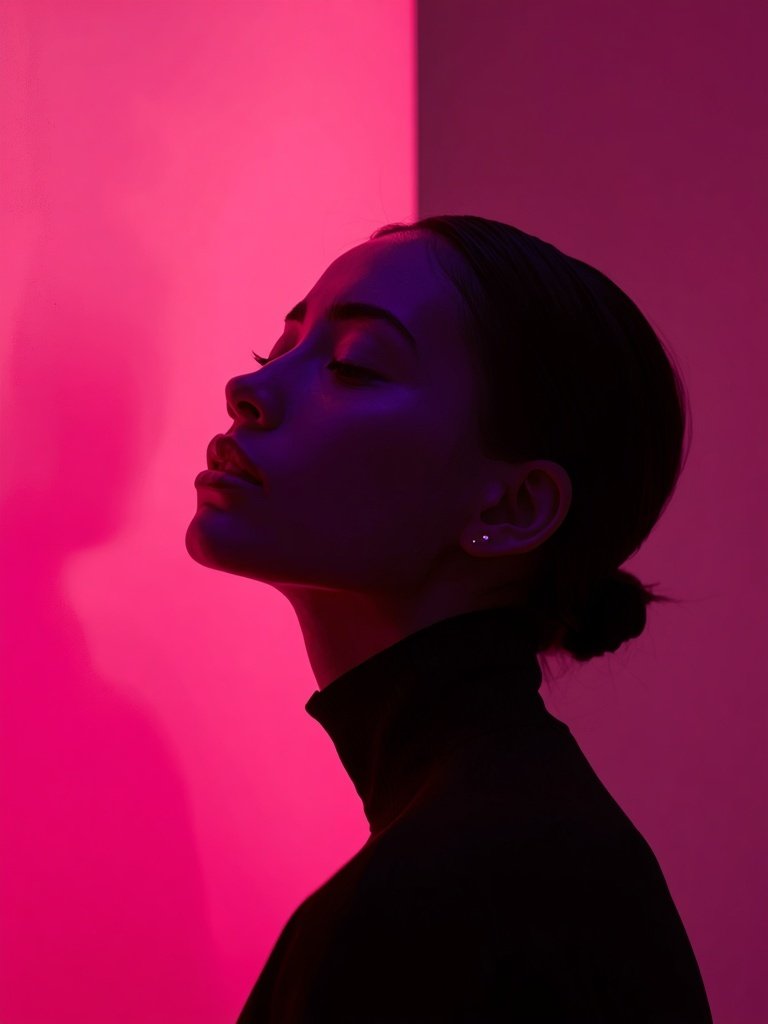
Color light therapy - concept, application and effects of action
1 photo
781
Smart Voice
AI
0:00
0:00
Listen to the article content live
Table of Contents 4
Medical & Editorial Disclaimer (§3 Terms): This article is for informational and educational purposes only, does not constitute medical advice, diagnosis, or treatment, and is used at your own risk. Consult a qualified physician for medical conditions.
Clinical E-Books & Diet Plans:
Explore E-Books & Plans →
Key Takeaways
Colored light therapy, broadly recognized as chromotherapy, is an evolving discipline within holistic wellness, cosmetology, and supportive medicine. Beyond simple visual perception, light functions as electromagnetic wave pulses that interact directly with cells throughout the human body. The core concept of chromotherapy relies on utilizing specific spectral wavelengths to influence emotional states and physiological responses by either stimulating or suppressing target biochemical and hormonal pathways.
The physiological pathways of action depend on how distinct light frequencies engage human tissue. Monochromatic light striking the retina activates photoreceptors, sending neural signals to light-sensitive brain regions that regulate systemic functions. Subcutaneous tissues, spinal cord pathways, and vascular networks also respond to light exposure. Red light, characterized by longer wavelengths, enhances peripheral microcirculation and mitochondrial cellular energy synthesis to boost overall vitality. Blue light provides soothing, antimicrobial, and anti-inflammatory benefits while encouraging calm. Green light acts as an autonomic system balancer to relieve physical tension, and yellow light aids digestive function.
In daily health practice, chromotherapy serves as a versatile complementary tool to foster physical recovery and mental equilibrium. It is increasingly utilized to support pain management, alleviate low mood, and complement metabolic care. Incorporating targeted light wavelengths into wellness routines offers a non-invasive approach to soothing the nervous system, encouraging natural tissue recovery, and maintaining harmonious physiological function.
Few people are currently aware of the power of the colors that surround us, however, they have a significant impact on our lives. Through scientific research, it has been proven that color (as a wave) is not only perceived by the eye, but also by all cells of the human body. Presented as a beam of colored light, it can influence our emotional state and physiological reactions.
01 / 04
Chromotherapy is a concept
The basic premise of chromotherapy is that the colours of the electromagnetic spectrum are capable of supporting the treatment of diseases. The generated light pulses carry with them energy that stimulates or suppresses biochemical and hormonal processes, depending on the desired therapeutic effect.
02 / 04
Chromotherapy physiological mechanisms of action
When monochromatic light reaches our eyes, it stimulates the photoreceptors of the retina, which in turn transmits a nerve impulse to the brain, and some parts of that organ are sensitive and respond to the colors of the visible light spectrum, and the proper functioning of the human body is largely dependent on the action of the subcutaneous tissue, the brain vessels and the spinal cord.
03 / 04
Chromotherapy therapeutic use
Nowadays, color therapy is a treatment method that is developing very rapidly and is increasingly being used in various fields. It is widely used in cosmetology and increasingly in medicine. Chromotherapy supports the treatment of pain of various origins, depression, and even diabetes.
04 / 04
The effects of colored light
Illness is a sign of deficiencies in certain frequencies in cells. According to the assumptions of chromotherapy, colored light is able to compensate for the energy deficit in the human body and alleviate the ailments caused by it. How do individual colors of light radiation stimulate our body? Red light activates the circulatory system. It contributes to stimulating metabolism and supports metabolism. It is used for excessive hair loss and baldness therapy. It is an effective treatment for skin cancer, all wounds, and burns. Red light action additionally boosts endorphin production, which blocks pain signals and increases our resistance to them. Orange light improves skin metabolism. It supports the rebuilding of collagen fibers, thus strengthening the skin structure. It consequently becomes less susceptible to the formation of various changes and orange skin. The orange color stimulates the work of internal organs and endocrine glands. It helps treat chronic forms of rheumatism and gout. Because it affects lung function, it helps combat bronchial asthma. Yellow light improves lymphatic circulation and cellular metabolism, making it effective in treating skin irritations. It also supports digestion and the body's detoxification processes. The use of this type of light is recommended for indigestion and kidney diseases. Green light improves blood circulation in capillaries. This effectively prevents signs of aging. Effectively fights wrinkles. Additionally, it can regulate the pituitary gland and help treat psychosomatic ailments such as bulimia and depression. Green light calms the nervous system. It may be helpful in fighting insomnia. Soothes the eye organ. Blue light activates the parasympathetic nervous system, lowers blood pressure, calms heart and respiratory function. Reduces muscle tension. Helps fight migraines and sleep disorders. Also alleviates symptoms of sunburn and insect bites. It has antibacterial, toning, and astringent properties, so it is indicated for sensitive and acne-prone skin. It is used in the treatment of inflammatory conditions of the veins and joints, but also in cases of hypertension and obesity. Violet light is a combination of red and blue light, so it combines the effects of both. It protects the skin from the adverse effects of free radicals. It supports the function of the nervous, lymphatic, and spleen systems. Its use facilitates the absorption of nutrients and minerals. It may be helpful in regulating the body's calcium-potassium balance and thus improving bone-forming processes. By providing waves of the appropriate frequency, we can support our mind and body to keep them in overall balance. Colors are a powerful tool useful in treating many diseases. Chromotherapy can support conventional medicine, but it should certainly not be used instead of it!
Meal Plan
Want to apply these guidelines in your daily diet?
Our smart diet generator creates a tailored meal plan in 3 minutes based on the recommendations in this article.

mgr Emilia Szymańska
• 25.11.2026Diets Premium Expert
Diets Premium team expert. Specializes in nutrition plans, strength sports, and training plans.