Colonic diverticulosis – characteristics, risk factors, symptoms, dietary recommendations
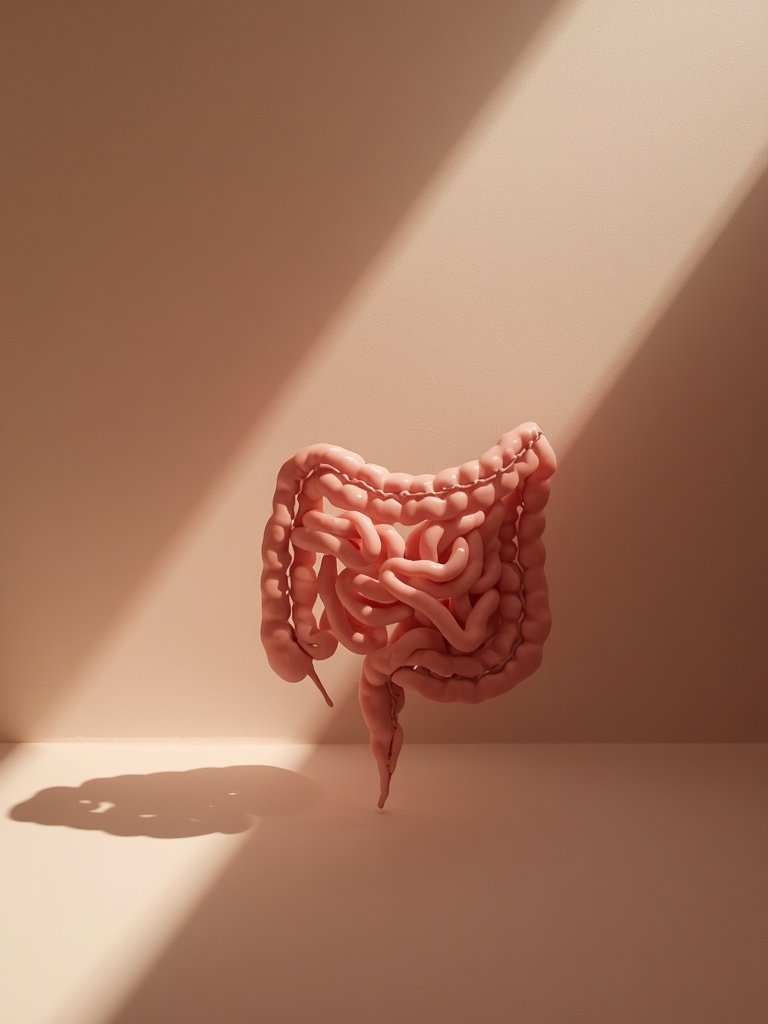
Table of Contents 3
Medical & Editorial Disclaimer (§3 Terms): This article is for informational and educational purposes only, does not constitute medical advice, diagnosis, or treatment, and is used at your own risk. Consult a qualified physician for medical conditions.
The development of diverticulosis involves a multifaceted interplay of genetic predisposition, age-related physiological shifts, and structural or motility alterations within the colonic wall. Across its chapters, the article examines the anatomy of the large intestine—spanning from the cecum through the ascending, transverse, descending, and sigmoid colon to the rectum—and explains how a diet deficient in dietary fiber contributes to mucosal herniation. Furthermore, the text clarifies the clinical progression from silent diverticulosis to symptomatic diverticular disease and acute inflammatory episodes.
From a practical nutritional standpoint, dietary management must always be tailored to the individual's current clinical presentation and disease stage. During asymptomatic phases, adopting a fiber-rich diet helps maintain healthy bowel motility, whereas an acute bout of diverticulitis necessitates a temporary shift toward an easily digestible, low-residue regimen to rest the intestinal tract. Additionally, limiting known aggravating factors—such as excessive red meat intake, alcohol consumption, and tobacco smoking—alongside professional medical supervision provides a prudent foundation for daily digestive care.
Colonic diverticula – a comprehensive overview of their formation, anatomical characteristics, and clinical significance in modern gastroenterology
Etiological determinants and clinical manifestations of colonic diverticular disease
Nutritional Guidelines for Diverticular Disease: Dietary Adjustments Based on Clinical Presentation and Stage
Want to apply these guidelines in your daily diet?
Our smart diet generator creates a tailored meal plan in 3 minutes based on the recommendations in this article.

Jasielski P., Uchyłki jelita grubego – przyczyny, objawy, dieta, leczenie, doz.pl/czytelnia/a16385-Uchylki_jelita_grubego__przyczyny_objawy_dieta_leczenie (24.08.2023). Malinowska J., Uchyłki i choroba uchyłkowa jelita grubego – zalecane modyfikacje diety i stylu życia, ncez.pzh.gov.pl/choroba-a-dieta/choroby-ukladu-pokarmowego/uchylki-i-choroba-uchylkowa-jelita-grubego-zalecane-modyfikacje-diety-i-stylu-zycia/ (24.08.2023). Pietrzak A. et al., Polski konsensus interdyscyplinarny dotyczący diagnostyki i leczenia choroby uchyłkowej okrężnicy (2015), „Gastroenterologia Kliniczna” 2015, 7(1), 1–19. Tylec-Osóbka E. et al., Postępowanie z pacjentem z uchyłkami jelita grubego w zależności od postaci klinicznej choroby, „Pediatria i Medycyna Rodzinna” 2013, 9(3), 256–262.
• 25.09.2026Diets Premium Expert
Diets Premium team expert. Specializes in nutrition plans, strength sports, and training plans.