The key to success is cooperation with your inner elephant: The Psychology of Lasting Motivation and Habit Change
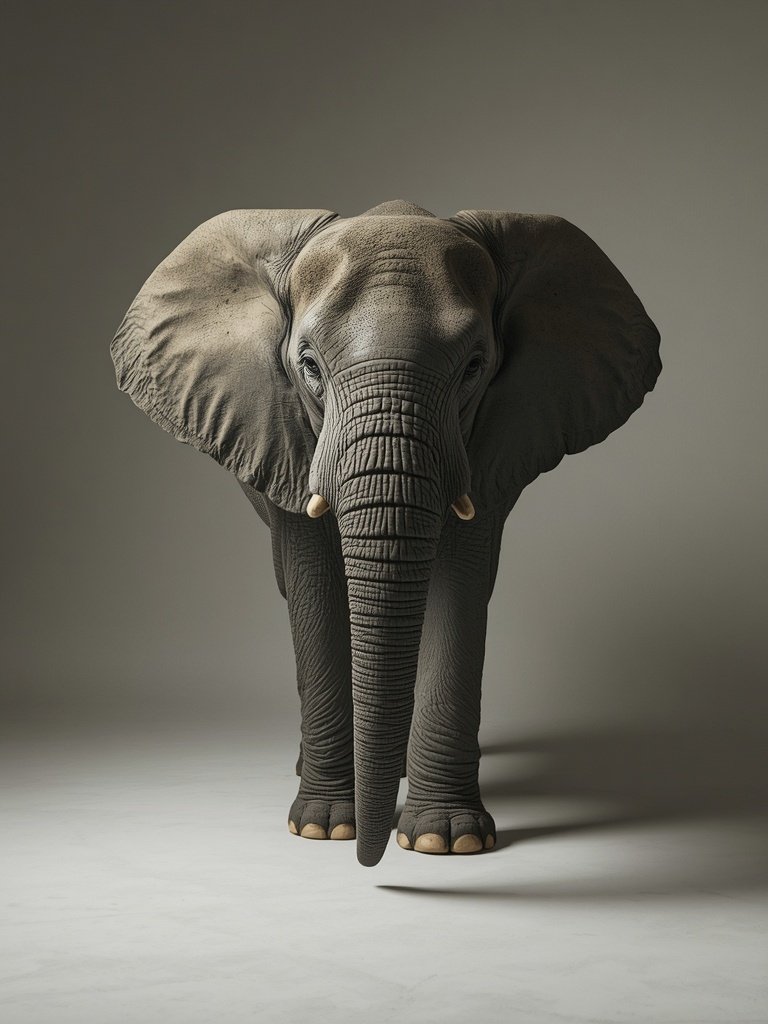
Table of Contents 3
Medical & Editorial Disclaimer (§3 Terms): This article is for informational and educational purposes only, does not constitute medical advice, diagnosis, or treatment, and is used at your own risk. Consult a qualified physician for medical conditions.
The article introduces the metaphor of the Rider and the Elephant to illustrate this internal struggle. The Rider embodies our deliberate, cognitive control—the planning and conscious decision-making—while the Elephant represents the massive force of deep, emotional instincts, immediate gratification, and energy preservation. The strength of sheer willpower is finite and rapidly depleted when confronted by the overwhelming power of instinct.
Achieving permanent adaptation requires synchronizing three dimensions: directing the Rider by replacing vague aims with scriptable behavioral directives; motivating the Elephant by connecting with visceral emotions like vitality and self-efficacy; and shaping the path itself to minimize the tendency toward relapse. View setbacks not as protocol failures, but as vital iterative feedback in the journey toward affirming your identity as someone who actively nourishes their physical self.
This article is professional premium content (PRO) provided in its entirety.
Why does intellectual knowledge regarding nutrition and fitness frequently fail to yield lasting behavioral transformation? Social psychologist Jonathan Haidt and organizational thinkers Chip and Dan Heath formulated the celebrated metaphor of the Rider and the Elephant to elucidate the friction between rational cognition and instinctive emotion. Aligning these dual forces unlocks sustainable lifestyle adherence.
The Rider and the Elephant Paradigm: Why Willpower Alone Inevitably Exhausts
The Rider embodies deliberate, prefrontal cognitive control: calculating caloric intake, scheduling gym visits, and weighing nutritional macros. The Elephant represents the ancient limbic system: instinctive drives, affective cravings, immediate gratification, and energy preservation. While the Rider holds the reins, their strength is infinitesimal compared to the massive Elephant. Willpower operates as a finite glucose-dependent resource; exhausting it inevitably leads the Elephant to overpower rational restraint.
The Triad of Sustainable Change: Direct the Rider, Motivate the Elephant, Shape the Path
Permanent behavioral adaptation demands synchronizing all three dimensions:
- Direct the Rider: Eliminate ambiguity. Substitute nebulous goals like 'eat cleaner' with scriptable behavioral directives: 'consume 150g of steamed green vegetables before the main dinner course';
- Motivate the Elephant: Connect with visceral emotion. Abstract cardiovascular risk reduction fails to stir instinct; tapping into vitality, physical confidence, and self-efficacy ignites the Elephant's momentum;
- Shape the Path: Modify contextual friction. Purge ultra-processed snacks from your immediate living quarters and lay out workout clothing the night prior to reduce entry barriers.
Overcoming Relapse and Cultivating an Unshakable Health Identity
Dietary lapses do not represent protocol failure, but vital iterative feedback in motor and cognitive habit acquisition. Embracing the 'never miss twice' maxim prevents temporary detours from devolving into total abandonment. The ultimate psychological consolidation occurs when behavioral inquiry shifts from 'what food is permitted?' to identity affirmation: 'I am someone who actively respects and nourishes their physical vessel.'
Want to apply these guidelines in your daily diet?
Our smart diet generator creates a tailored meal plan in 3 minutes based on the recommendations in this article.
Tags

mgr Emilia Szymańska
• 25.11.2026Diets Premium Expert
Diets Premium team expert. Specializes in nutrition plans, strength sports, and training plans.