Aronia – properties, syrup, recipes. How to use aronia?
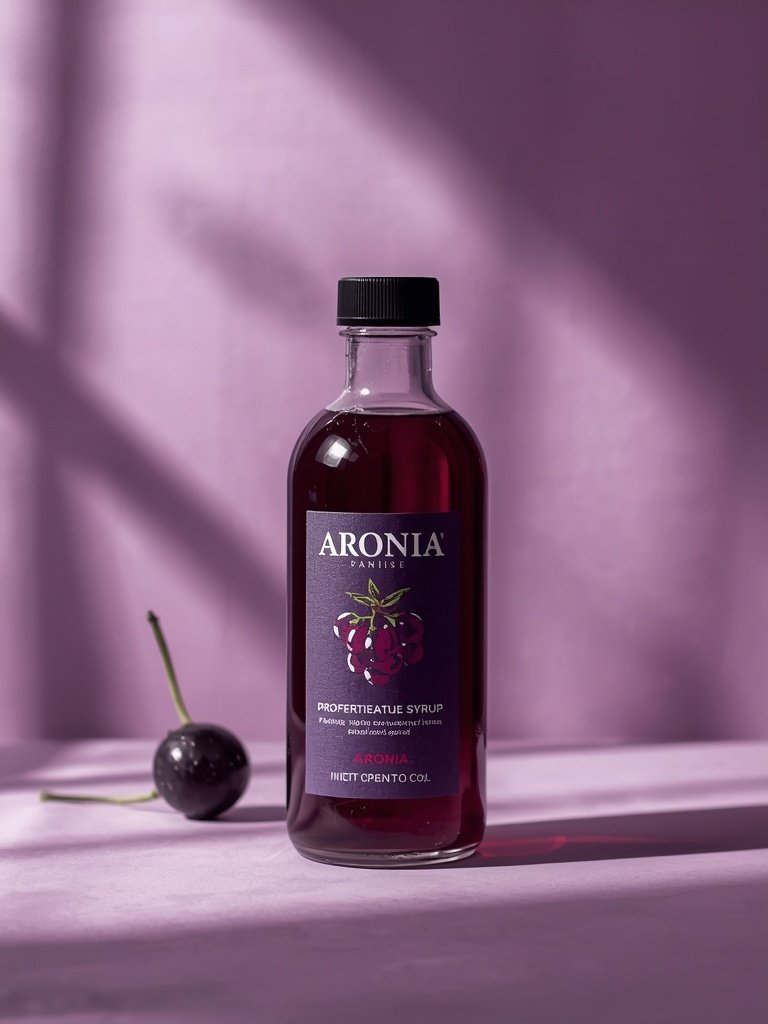
Table of Contents 4
Medical & Editorial Disclaimer (§3 Terms): This article is for informational and educational purposes only, does not constitute medical advice, diagnosis, or treatment, and is used at your own risk. Consult a qualified physician for medical conditions.
From a physiological perspective, black chokeberry is distinguished by its rich spectrum of polyphenolic compounds, most notably anthocyanins, flavonoids, and phenolic acids. These bioactive constituents exhibit strong antioxidant capacities that help protect tissues against oxidative stress while supporting healthy metabolic function, glycemic balance, and normal inflammatory responses. The article explores how these natural mechanisms contribute to cardiovascular wellness, digestive comfort, immune resilience, and cognitive health as part of a comprehensive lifestyle approach.
In daily culinary practice, aronia offers remarkable versatility when processed into palatable, nutrient-retaining forms that soften its tart character. Beyond preparing traditional aronia syrup—which can be diluted in water or added to warm tea to support seasonal immune defenses—the berries serve as an excellent foundation for pressed juices, smooth fruit purees, rich jams, jellies, and artisanal infusions. Leveraging these diverse preparation methods allows individuals to effortlessly enjoy the health-supporting benefits of chokeberry throughout the year.
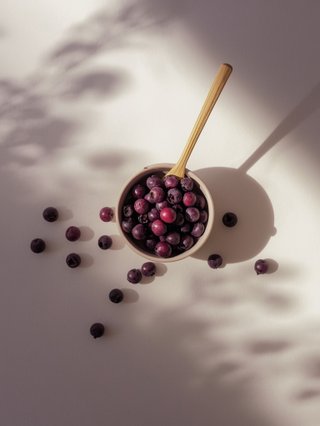
Black Chokeberry (Aronia melanocarpa) – Botanical Profile and Nutritional Benefits
Distinctive health-promoting characteristics and therapeutic benefits of black chokeberry in preventing and managing contemporary lifestyle-related diseases
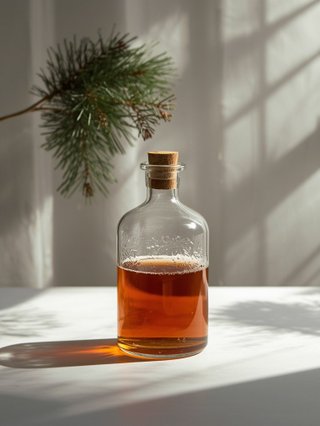
Premium chokeberry syrup – a versatile health supplement supporting immune function and cardiovascular wellness
Comprehensive guide to processing chokeberry (aronia) and its health-promoting applications
Want to apply these guidelines in your daily diet?
Our smart diet generator creates a tailored meal plan in 3 minutes based on the recommendations in this article.

Literatura: T. Jurikova, J. Mlcek, S. Skrovankova, D. Sumczyńska, J. Sochor, I. Hlavacova, L. Snopek, J. Orsavova: „Fruits of Black Chokeberry Aronia melanocarpa in the Prevention of Chronic Diseases.”, Molecules 2017, 22(6), 944. M. Bhaswant, S. R. Shafie, M. L. Mathai, P. Mouatt, L. Brown: „Anthocyanins in chokeberry and purple maize attenuate diet-induced metabolic syndrome in rats.”, Nutrition, September 2017Volume 41, Pages 24–31. J. Wei, G. Zhang, X. Zhang, D. Xu, J. Gao, J. Fan, Z. Zhou: „Anthocyanins from Black Chokeberry (Aroniamelanocarpa Elliot) Delayed Aging-Related Degenerative Changes of Brain.”, J. Agric. Food Chem., 2017, 65 (29), pp 5973–5984. J. Heesoo, L. Yanan, K. Hyun-Sook: „Dried plum and chokeberry ameliorate d-galactose-induced aging in mice by regulation of Pl3k/Akt-mediated Nrf2 and Nf-kB pathways.”, Experimental Gerontology, Volume 95, September 2017, Pages 16-25. B. M. Looab, I.Erlundc, R. Kolicd, P. Puukkaa, J. Hellströme, K. Wähäläf, P. Mattilae, A. Jula: „Consumption of chokeberry (Aronia mitschurinii) products modestly lowered blood pressure and reduced low-grade inflammation in patients with mildly elevated blood pressure.”, Nutrition Research, Volume 36, Issue 11, November 2016, Pages 1222-1230. S. E. Kulling, H. M. Rawel: „Chokeberry (Aronia melanocarpa) – A Review on the Characteristic Components and Potential Health Effects.”, Planta Med 2008; 74(13): 1625-1634. M. Białek, J. Rutkowska, E. Hallmann: „Aronia czarnoowocowa (aronia melanocarpa) jako potencjalny składnik żywności funkcjonalnej.”, ŻYWNOŚĆ. Nauka. Technologia. Jakość, 2012, 6 (85), 21 – 30
Diets Premium Expert
Diets Premium team expert. Specializes in nutrition plans, strength sports, and training plans.