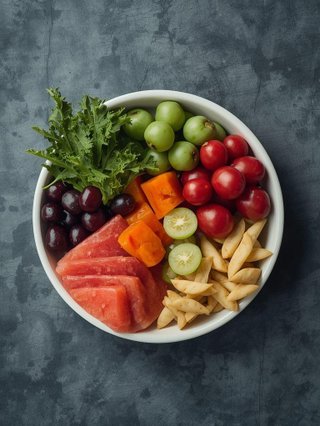
Are there calories with a reverse effect?
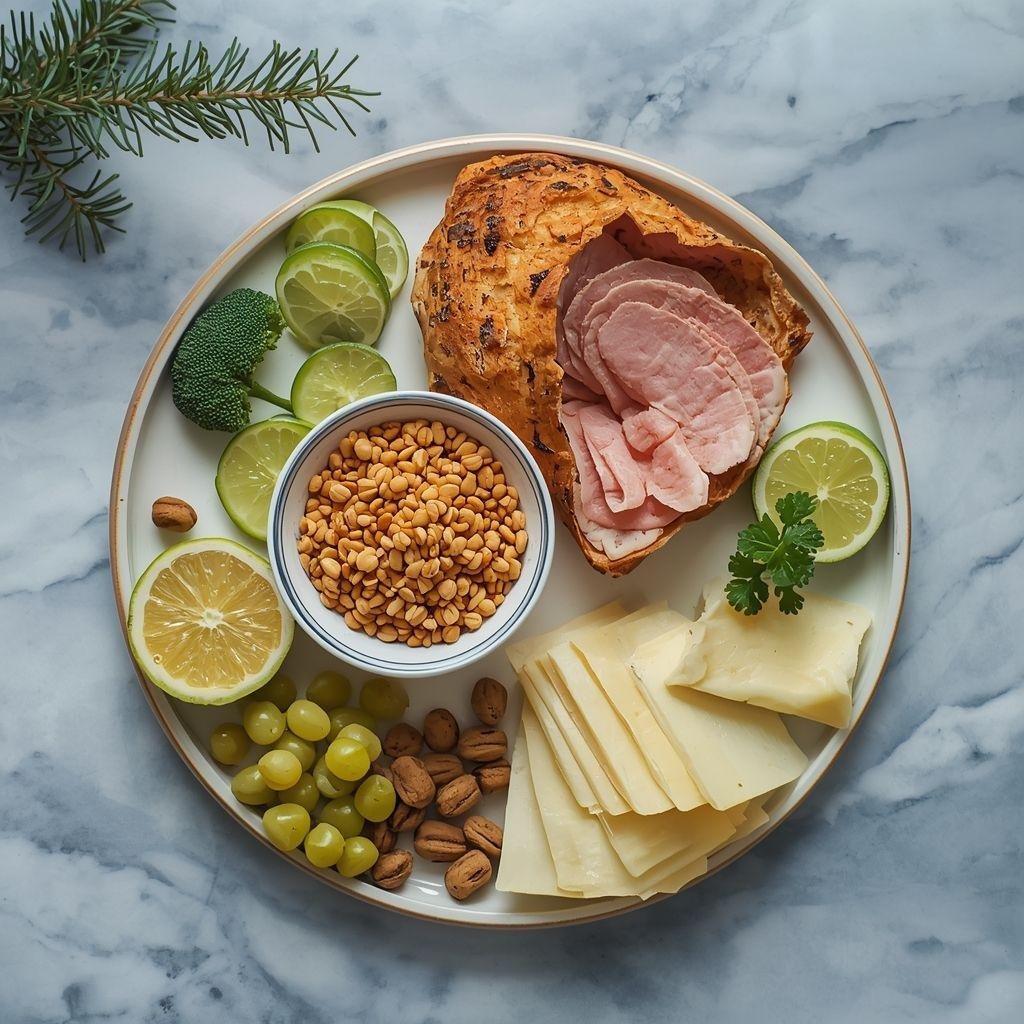
1 photo
2809
Smart Voice
AI
0:00
0:00
Listen to the article content live
Table of Contents 6
Medical & Editorial Disclaimer (§3 Terms): This article is for informational and educational purposes only, does not constitute medical advice, diagnosis, or treatment, and is used at your own risk. Consult a qualified physician for medical conditions.
Clinical E-Books & Diet Plans:
Explore E-Books & Plans →
Key Takeaways
Nourishment serves as the essential energy source that fuels our daily functions, from physical movement to the internal processes of digestion. While an overabundance of energy intake is linked to weight gain, the concept of negative calories has emerged as a popular topic in wellness circles. This theory suggests that certain foods might demand more energy to process than they actually provide, potentially helping the body burn through previously stored energy reserves.
Scientific scrutiny of this concept reveals that while some foods like celery, cucumbers, and tomatoes have a very high water content and minimal fat, they still contribute some energy to the body. Research into the thermic effect of food indicates that the metabolic cost of chewing and digesting these items does not typically exceed their caloric value. Even products marketed as calorie-devoid often contain non-metabolized substances, meaning the idea of a truly negative energy balance from specific foods remains a fascinating but unproven hypothesis.
Practical health management should focus on the undeniable benefits of these low-energy, high-fiber foods rather than relying on mythical weight-loss shortcuts. Incorporating water-rich vegetables and fruits into the daily routine provides vital micronutrients and supports satiety, which naturally aids in maintaining a healthy balance. Prioritizing whole foods and adequate hydration remains the most effective strategy for supporting the metabolism and achieving long-term nutritional goals without relying on unverified dietary trends.
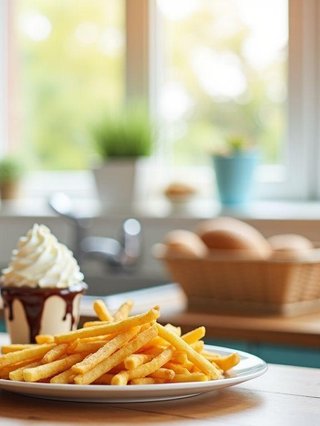
Nourishment provides the requisite energy source that enables us to perform daily tasks. With an appropriate quantity of calories, we can move, talk, and assimilate food. However, an excessive amount of energy in our diet can result in weight gain and ultimately lead to obesity. In recent times, products that supposedly contain negative calories have been gaining popularity. Are there truly such products that not only do not provide energy but also facilitate the burning of previously accumulated calories?
01 / 06
What are Calories?
The energy value provided on the packaging of a product allows one to determine the number of calories it contains and estimate the amount of energy it will supply. This is particularly significant when attempting to shed excess weight, but it is not solely relevant in this context. It also enables the estimation of the quantity of food that can be consumed in a day to maintain health. From a physics perspective, calories are merely the amount of heat that is released following the digestion of individual nutrients. The energy value can be divided into net and gross. The former is more precise as it considers the energy that the body can fully utilize after all metabolic processes have taken place. The term "empty calories" may also be encountered, which refers to food that provides minimal valuable vitamins and components, but a substantial number of calories. Such products are considered less nutritious, potentially hazardous as their regular consumption can lead to a substantial increase in body weight and, in the long term, inadequate supply of valuable substances.
02 / 06
Term for negative calories
According to the term of negative calories, there exists a unique group of products that allow the human body to utilize a greater amount of energy after consumption than the products themselves provide. This way, one can burn not only the calories from a particular product but also the excess ones. Advocates of the negative calorie diet assert that it is an excellent method for weight reduction. Moreover, it is very simple and enjoyable, as it only requires increasing the intake of products from this exceptional list to burn off the energy surplus.
03 / 06
Products with potentially negative caloric balance
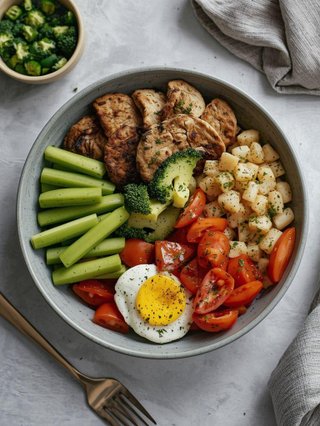
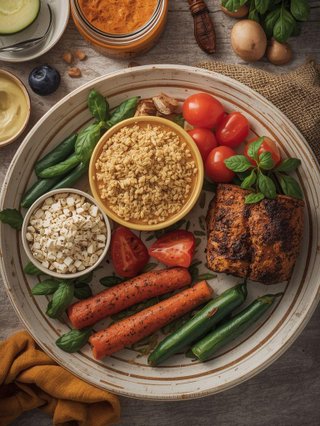
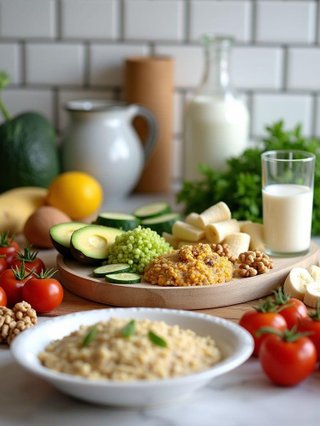
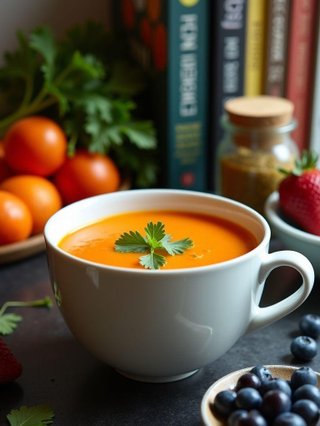
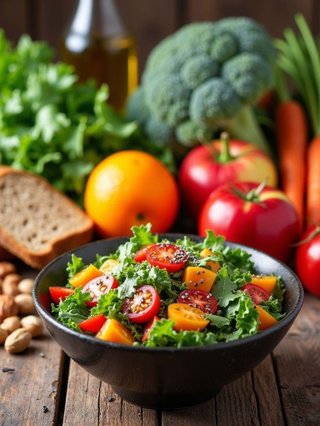
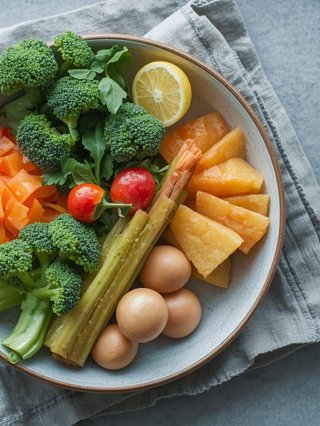
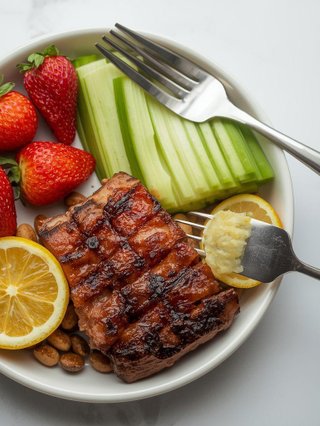
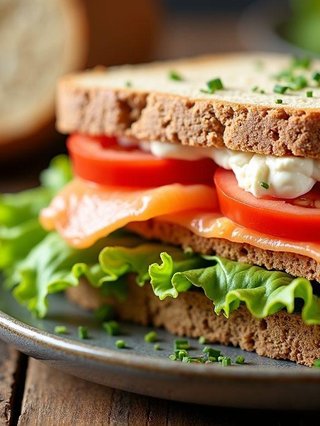
Among the most popular products that have the potential to help burn more energy than they themselves provide are: - root celery, - salads, - cucumbers, - watermelons, - grapefruits, - tomatoes. These are products with a high water content and very low fat content, so their caloric value is extremely low but not zero. Each of the mentioned products provides a certain amount of calories, but not more than 40 kcal/100 g.
04 / 06
Negative calories from a scientific perspective
The theory of negative calories has attracted the interest of not only those suffering from obesity but also the scientific community. This concept seems somewhat unrealistic, so scientists decided to investigate it further. K. M. Buddemeyer and colleagues used celery as an example of a product with allegedly negative calories. This vegetable is low in calories and contains a lot of water, making it a good example. The study was conducted on bearded dragons (Pogona vitticeps), whose digestive, absorption, and metabolic processes are similar to those of humans. Researchers found it too difficult to conduct the experiment on humans, so they opted for bearded dragons, which are easier to control.
05 / 06
Calorie-devoid products
Items labeled as "calorie-devoid" should contain less than 5 kcal per serving. In many cases, they contain substances that are not metabolized by the body, so they do not provide any or only a small amount of calories. However, scientists have not yet conducted sufficient research to confirm their detrimental effects on the body. The only exception is water, which can increase food thermogenesis and metabolism between meals. However, the changes observed in studies (C. M. Brown et al., 2006) are so minimal that it is difficult to confirm that water actually aids in weight loss. It usually increases the number of burned calories by a maximum of 24-60 in the case of a strict diet.
06 / 06
Theory of negative calories - another mythical myth
The theory of negative calories, although very fascinating, has not been substantiated by any scientific research and cannot be used for weight loss purposes. Products that theoretically do not provide calories but instead help burn them are extremely valuable dietary components due to their low energy and high fiber content. Furthermore, they are an important source of other nutrients, such as vitamins and minerals. Instead of relying on magical methods, it is advisable to ensure an appropriate energy gap in the diet, so that weight loss can be achieved even when consuming favorite snacks and meals. Regular physical activity should not be neglected either, as it increases the body's energy demand. Drinking water is also a good habit, not because of its supposed calorie-burning properties, but because it plays a crucial role in many processes in the body.
Meal Plan
Want to apply these guidelines in your daily diet?
Our smart diet generator creates a tailored meal plan in 3 minutes based on the recommendations in this article.

mgr Tomasz Jankowski
• 25.11.2026Diets Premium Expert
Diets Premium team expert. Specializes in nutrition plans, strength sports, and training plans.