5 most nutritious and 5 less beneficial for the liver foods


Table of Contents 15
Medical & Editorial Disclaimer (§3 Terms): This article is for informational and educational purposes only, does not constitute medical advice, diagnosis, or treatment, and is used at your own risk. Consult a qualified physician for medical conditions.
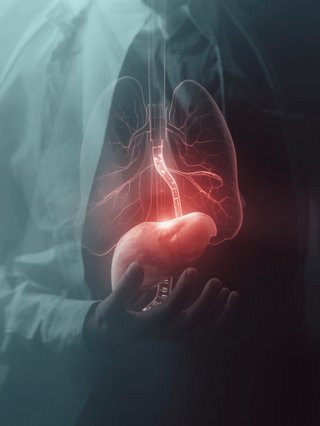
From a physiological perspective, the liver orchestrates the metabolism of carbohydrates, proteins, and lipids, synthesizes bile to emulsify dietary fats, and produces vital plasma proteins such as albumins and coagulation factors. It also acts as a storage reservoir for glycogen, iron, copper, and essential vitamins, while specialized Kupffer cells provide immunological defense by filtering pathogens and toxins from the bloodstream and regulating sex and steroid hormones. Specific bioactive compounds can help support these protective pathways: catechins found in green tea and resveratrol act as potent antioxidants against oxidative stress, while polyunsaturated fatty acids from marine fish such as salmon, mackerel, sardines, and cod assist in healthy lipid transport. Furthermore, soluble fiber like beta-glucan from oatmeal helps maintain balanced blood glucose and lipid profiles, and sulforaphane from broccoli stimulates endogenous detoxification enzymes.
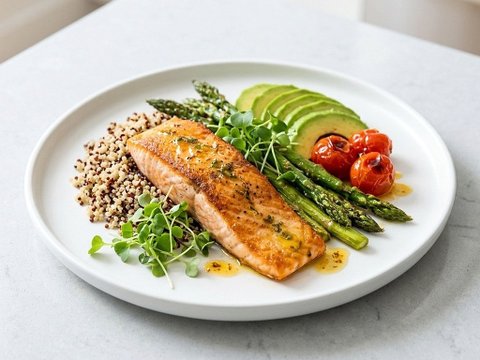
Translating these insights into daily nutrition involves consistently incorporating cruciferous vegetables, whole oats, fatty fish, and polyphenol-rich foods into regular meals. Equally important is minimizing the intake of substances that burden hepatic metabolism, particularly ethyl alcohol, refined simple sugars, and processed sweets, meats, and dairy products rich in trans fats and saturated fatty acids. Adopting a balanced, whole-food approach helps reduce metabolic strain and supports the liver in performing its vital regulatory functions.
This article is professional premium content (PRO) provided in its entirety.
The function of the liver in the human body
Storage of nutrients
Synthesis of bile by the organ known as the liver
The liver's processing of carbohydrates, proteins, and lipids
The production of plasma proteins
Regulating your hormone levels
Immunological protection of the liver
The best products supporting the liver - TOP 5
Green tea - natural source of catechins
Fish, which are a source of omega-3 fatty acids, contribute to liver health
Products functioning as a source of resveratrol
Oatmeal
This vegetable treasure trove is broccoli
5 products worth limiting in consumption
Ethanol (Ethyl Alcohol)
Want to apply these guidelines in your daily diet?
Our smart diet generator creates a tailored meal plan in 3 minutes based on the recommendations in this article.

Sophia Williams
• 23.03.2026Diets Premium Expert
Diets Premium team expert. Specializes in nutrition plans, strength sports, and training plans.