Xylitol vs. Erythritol: A comparison of glycemic index, properties, and use in diabetics
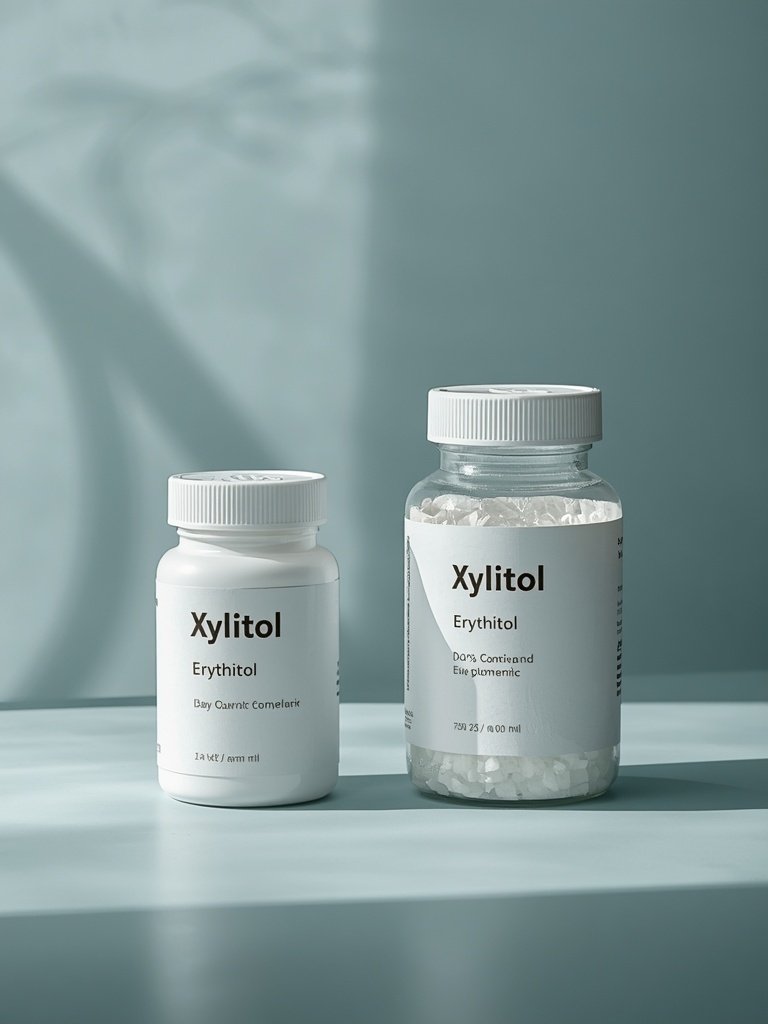
Table of Contents 4
Medical & Editorial Disclaimer (§3 Terms): This article is for informational and educational purposes only, does not constitute medical advice, diagnosis, or treatment, and is used at your own risk. Consult a qualified physician for medical conditions.
From a physiological perspective, these polyols follow different metabolic pathways. Erythritol is largely absorbed and excreted intact, making it a preferred option for those seeking a neutral impact on insulin levels. Conversely, xylitol is processed differently and is widely recognized for its clinical benefits in dental prophylaxis, as it helps inhibit the growth of bacteria responsible for tooth decay. Both agents offer a functional way to enjoy sweetness while maintaining better control over postprandial glucose responses.
For daily nutrition, erythritol is an excellent choice for those prioritizing a minimal caloric load and strict glycemic stability. Xylitol remains a superior option for baking applications where moisture retention and a texture identical to sucrose are desired. It is important to introduce these sweeteners gradually into your diet to assess individual digestive tolerance, as sensitivity to sugar alcohols can vary. By integrating these alternatives mindfully, you can enjoy a balanced approach to nutrition without sacrificing the pleasure of sweetness.
In contemporary clinical nutrition, sugar alcohols (polyols) represent the premier sugar substitutes for individuals seeking glycemic control and weight management. Foremost among them are xylitol (birch sugar) and erythritol. Both sweetening agents furnish substantial caloric savings compared to table sucrose and exhibit celebrated non-cariogenic dental benefits. However, they diverge significantly in biochemical structure, caloric density, glycemic index (GI), metabolic fate, and digestive tolerance thresholds. This comparative review explores their pharmacokinetics, dental science, and targeted clinical applications.
Xylitol (Birch Sugar): Chemistry, Dental Prophylaxis, and Bioenergetics
Xylitol is a five-carbon sugar polyol (pentitol) with unique physiological properties:
- Botanical Origin & Production: Historically isolated from birch bark hemicellulose, commercial production utilizes acid hydrolysis of xylose-rich agricultural biomass (e.g., non-GMO corn cobs) followed by catalytic hydrogenation.
- Sweetness Equivalence: Demonstrates a 1:1 sweetness ratio relative to sucrose, yet supplies only 2.4 kcal/g (a 40% caloric reduction). In crystalline form, it exhibits a distinct endothermic heat of solution, producing a pleasant, refreshing cooling sensation on the palate.
- Anti-Cariogenic Dental Action: Cariogenic oral pathogens (notably Streptococcus mutans) ingest xylitol via fructose transport systems but cannot metabolize five-carbon polyols into lactic acid, resulting in bacterial starvation, dramatic plaque reduction, and enhanced enamel remineralization.
- Otitis Media Prophylaxis: Pediatric clinical trials indicate that habitual xylitol chewing gum use decreases the incidence of acute otitis media by 30–40% by impeding pneumococcal adhesion to the nasopharyngeal mucosa.
Glycemic Impact and Insulin Kinetics: Xylitol (GI 7–13) vs. Erythritol (GI 0)
Glycemic control represents a cornerstone of modern metabolic wellness:
- Xylitol Glycemic Dynamics: Xylitol registers a nominal glycemic index of 7 to 13, contrasting sharply with table sugar (GI ~68). Absorbed slowly and incompletely via passive diffusion, it produces a minimal, prolonged postprandial glucose excursion without sharp insulin spikes.
- Zero Glycemic Index of Erythritol: Erythritol boasts a clinical glycemic index of 0. It triggers virtually zero pancreatic insulin secretion and leaves serum glucose and insulin concentrations unaltered.
- Metabolic Independence: Both polyols bypass insulin-dependent glucose uptake, making them dependable dietary tools for insulin-resistant and diabetic patients.
Erythritol Deep-Dive: A Four-Carbon Polyol with Zero Net Energy and Renal Clearance
Erythritol (a tetritol) displays an extraordinary pharmacokinetic profile among sugar alcohols:
- Negligible Caloric Contribution: Supplies merely 0.2 kcal/g (effectively zero net caloric load under standard labeling), providing roughly 70% of sucrose sweetness with clean flavor fidelity.
- Rapid Small Intestinal Absorption: Greater than 90% of ingested erythritol is passively absorbed in the upper small intestine, circulates unchanged, and is excreted intact in the urine via glomerular filtration within 24 hours.
- Superior Digestive Tolerance: Because less than 10% reaches the colon, bacterial fermentation is minimal. Its gastrointestinal tolerance threshold (~0.7–0.8 g per kg body weight) is the highest of all polyols, drastically reducing flatulence and osmotic laxation risks.
- Culinary Functionality: Thermally stable up to 160–180°C; however, it tends to re-crystallize in chilled confections and does not caramelize via Maillard chemistry.
Comparative Verdict: Selecting the Ideal Sweetener for Your Metabolic Goals
Choosing between xylitol and erythritol hinges on specific physiological priorities:
- For Strict Keto, Weight Loss, and Diabetes: Erythritol is the superior candidate due to its absolute zero glycemic impact, zero net caloric contribution, and lack of insulin stimulation.
- For Dental Protection, Baking, and Flavor: Xylitol is the winner for 1:1 recipe substitution, superior moisture retention in baked goods, and clinically validated antibacterial eradication of S. mutans.
- Gastrointestinal Sensitivity: Individuals prone to FODMAP intolerance tolerate erythritol far better. Xylitol requires gradual dosage titration (beginning with 5–10 g daily) to permit colonic microbial adaptation.
- Critical Canine Toxicity Warning: Xylitol is lethal to dogs! Even micro-doses trigger massive endogenous insulin release, precipitating severe hypoglycemia and acute hepatic necrosis. Erythritol does not exert canine toxicity.
Want to apply these guidelines in your daily diet?
Our smart diet generator creates a tailored meal plan in 3 minutes based on the recommendations in this article.
Tags

Sophia Williams
• 25.11.2026Diets Premium Expert
Diets Premium team expert. Specializes in nutrition plans, strength sports, and training plans.