Xylitol (birch sugar): nutritional profile, dental protection, and practical use in the kitchen
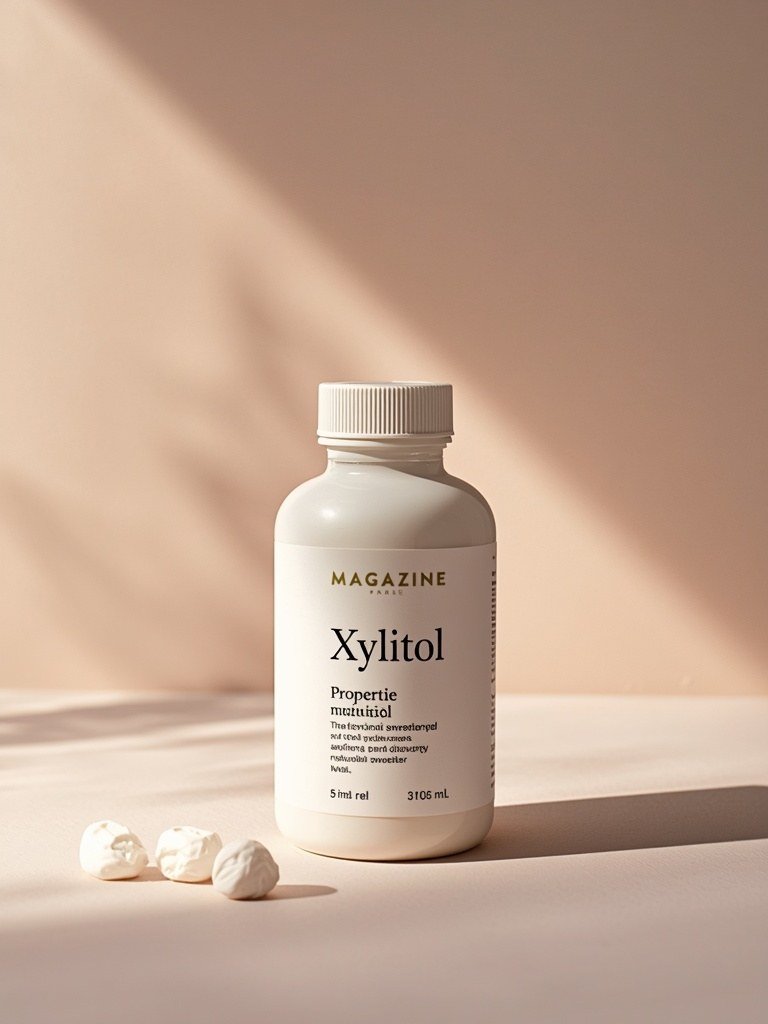
Table of Contents 4
Medical & Editorial Disclaimer (§3 Terms): This article is for informational and educational purposes only, does not constitute medical advice, diagnosis, or treatment, and is used at your own risk. Consult a qualified physician for medical conditions.
The biomechanical distinction of xylitol lies in its unique molecular structure, which oral bacteria cannot easily ferment into tooth-damaging acids. This mechanism effectively reduces dental plaque accumulation and supports salivary flow, creating an environment that favors enamel preservation. Within the body, its absorption and hepatic processing occur slowly and largely independently of insulin secretion, minimizing sharp postprandial blood glucose fluctuations. Furthermore, it interacts favorably with the gastrointestinal environment by supporting beneficial gut microbiome dynamics.
In daily culinary applications, xylitol serves as a seamless substitute for refined sugar in beverages, cold desserts, and baked goods. However, it cannot be used in yeast-leavened doughs, as baker's yeast is unable to metabolize its specific polyol architecture. To ensure optimal digestive comfort, individuals introducing xylitol into their daily routine should increase their consumption gradually, allowing the digestive tract sufficient time to adapt to its utilization.
Among functional sugar substitutes, xylitol (birch sugar) occupies a premier standing in clinical dietetics. Crystalline xylitol mirrors table sucrose in appearance and sweetness intensity while providing approximately 40% fewer calories. Metabolized largely independently of insulin, it represents a valuable tool in diabetic nutrition, while its anti-cariogenic efficacy is celebrated by dental authorities worldwide. This article provides a comprehensive evaluation of its nutritional profile, metabolic fate, gastrointestinal tolerance limits, and practical baking properties.
Chemical Structure and Provenance: The Five-Carbon Sugar Polyol
Xylitol diverges fundamentally from conventional mono- and disaccharides:
- Pentitol Architecture: Possesses a five-carbon polyhydric alcohol structure (C5H12O5), distinctly contrasting with hexose sugars such as glucose and fructose. This structural divergence prevents oral bacterial fermentation into enamel-eroding lactic acid.
- Production Sources: While historically extracted from Scandinavian birch bark hemicellulose, commercial production sustainably isolates xylose from agricultural biomass and hardwood polymers via controlled hydrogenation.
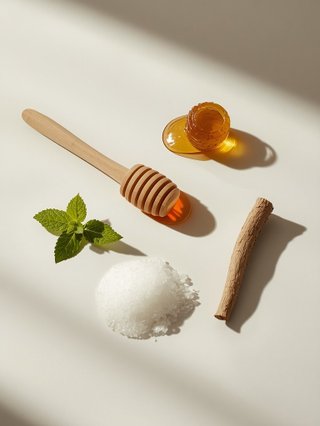
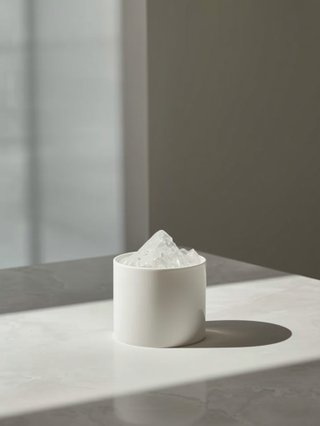
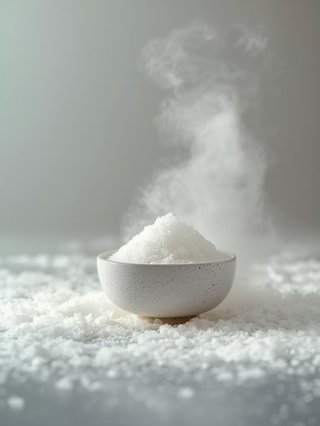
- Organoleptic Characteristics: Odorless white crystalline granule exhibiting a 1:1 sweetness profile relative to table sugar, producing a signature endothermic cooling sensation upon contact with saliva.
Dental Health, Caries Prophylaxis, and Gut Microbiome Dynamics
Xylitol exerts profound protective modifications upon oral and enteric microbial ecosystems:
- Anti-Cariogenic Mechanism: Oral cariogenic pathogens, primarily Streptococcus mutans, ingest xylitol via constitutive phosphoenolpyruvate-dependent phosphotransferase systems, accumulating intracellular xylitol-5-phosphate. This uncouples bacterial glycolysis, arresting bacterial growth and reducing dental plaque biomass.
- Salivary Flow Induction: Xylitol stimulates salivary gland output, raising oral pH above the critical demineralization threshold (pH 5.5) and driving supersaturated calcium and phosphate ions back into dental enamel.
- Prebiotic Enteric Fermentation: Approximately 50–70% of ingested xylitol reaches the cecum and colon, where commensal microflora ferment it into beneficial short-chain fatty acids (SCFAs, especially butyrate), nourishing colonocyte integrity.
- Bone Mineral Density: Nutritional studies indicate that dietary xylitol enhances intestinal calcium absorption and bone trabecular remodeling, offering adjunctive osteoprotective value.
Nutritional Metrics: Caloric Reduction and Glycemic Independence
Nutritional and metabolic benchmarks of birch sugar:
- Caloric Metrics: 100 g of xylitol delivers approximately 240 kcal, offering a 40% reduction in net metabolizable energy relative to refined sucrose (400 kcal/100 g).
- Glycemic Dynamics: Possessing a modest glycemic index of ~7–13, it induces virtually negligible postprandial glucose fluctuations, serving as an effective carbohydrate alternative for diabetes.
- Hepatic Clearance: Hepatic utilization proceeds via polyol dehydrogenase to D-xylulose, feeding into the non-oxidative pentose phosphate pathway without demanding acute insulin release.
- Regulatory Status: Endorsed by the European Food Safety Authority (EFSA) with approved health claims regarding tooth mineralization and reduced postprandial blood glucose responses.
Culinary Practices, Digestive Adaptation, and Safe Consumption Thresholds
Practical culinary implementation guidelines and physiological consumption thresholds:
- Direct 1:1 Substitution: Xylitol replaces sucrose on a 1:1 weight basis in muffins, cookies, hot teas, and cold beverages without compromising sweetness. Critical Exception: Ineffective for yeast-leavened doughs, as commercial baker's yeast cannot ferment pentitol structures to produce carbon dioxide leavening.
- Gastrointestinal Adaptation: In unadapted individuals, rapid ingestion of high doses (>30–40 g) exerts an osmotic laxative effect, drawing water into the colonic lumen. Begin with 1–2 teaspoons daily, gradually titrating upward over several weeks as intestinal enzyme and microbial tolerance expand.
- Lethal Hazard to Dogs: Keep strictly out of reach of domestic pets. In canines, xylitol triggers rapid, catastrophic insulin release, culminating in fatal hypoglycemia and fulminant hepatic necrosis.
Want to apply these guidelines in your daily diet?
Our smart diet generator creates a tailored meal plan in 3 minutes based on the recommendations in this article.
Tags

mgr Emilia Szymańska
• 23.10.2026Diets Premium Expert
Diets Premium team expert. Specializes in nutrition plans, strength sports, and training plans.