Whole grain flours in practice: wheat, rye, spelt, rice – characteristics, uses, and health benefits in comparison
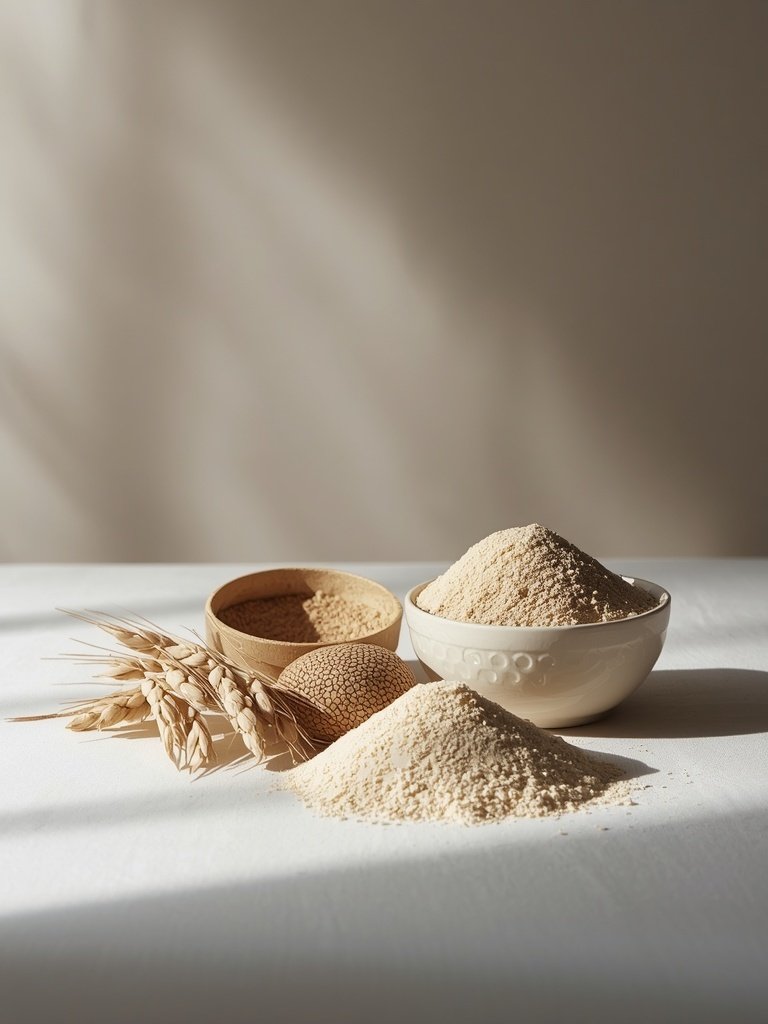
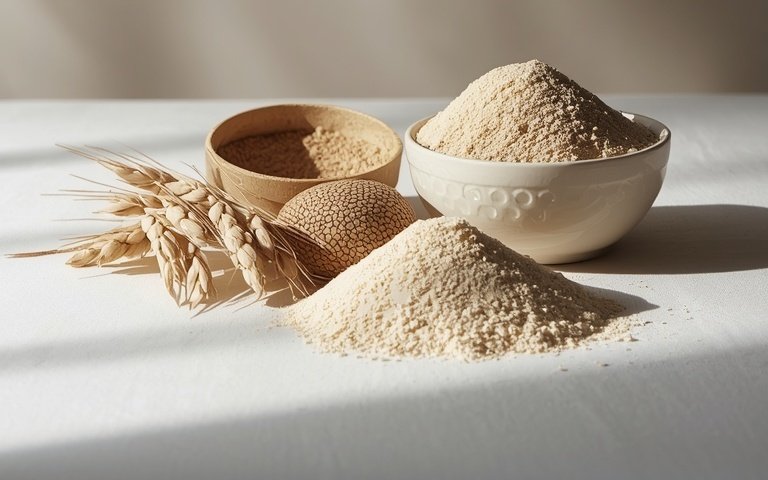
Table of Contents 4
Medical & Editorial Disclaimer (§3 Terms): This article is for informational and educational purposes only, does not constitute medical advice, diagnosis, or treatment, and is used at your own risk. Consult a qualified physician for medical conditions.
The physiological and structural characteristics of each flour vary significantly based on its botanical origin and milling style. Whole wheat flour provides robust gluten networks for structural elasticity, whereas rye flour relies on viscous pentosans and requires traditional sourdough fermentation to achieve optimal crumb cohesion and digestibility. Ancient spelt offers a delicate gluten profile and rich lipid content that is remarkably gentle on the digestive tract, while hypoallergenic brown rice flour delivers a smooth, neutral alternative for those navigating gluten sensitivities.
In daily culinary practice, integrating whole grain flours successfully involves balancing hydration levels and allowing sufficient resting or fermentation time for dense bran particles to soften. Cooks can enhance both texture and flavor by blending robust whole grains with lighter alternatives or by exploring authentic sourdough techniques. Embracing this culinary diversity elevates the nutritional value of homemade breads and pastries while fostering long-term wellness.
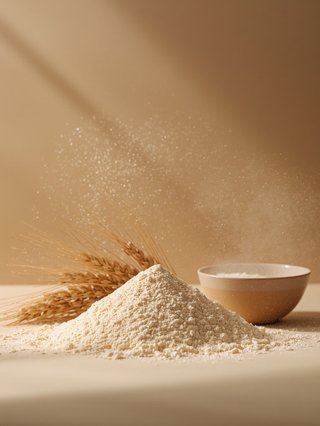
Whole grain flours are created by milling the entire cereal grain kernel intact—retaining the fiber-dense protective outer bran layer, the nutrient-dense germ, and the starchy starchy endosperm. In stark contrast to refined white flours, which offer depleted starches stripped of nutritional vitality, whole grain flours provide a low glycemic index, abundant soluble and insoluble dietary fiber, B-complex vitamins, magnesium, iron, and zinc. Discerning the optimal whole grain flour—wheat, rye, ancient spelt, or hypoallergenic brown rice—allows culinarians to craft baked goods boasting deep rustic aromas, superior nutritional density, and metabolic stability.
Whole Wheat Flour (Graham and Type 2000): Characteristics and Baking Properties
Whole wheat flour (including Graham Type 1850 and coarse wholemeal Type 2000) preserves the complete nutritional architecture of the wheat kernel. It retains robust gluten proteins providing structural elasticity, enabling doughs to rise effectively with tender crumb architecture. It supplies concentrated thiamine (B1), pyridoxine (B6), magnesium, and zinc. Because coarse bran particles mechanically disrupt developing gluten strands, 100% whole wheat baked goods exhibit a denser crumb and richer nutty hue. It performs superbly in rustic sandwich breads, artisanal sourdough loaves, whole grain pancakes, and savory shortcrust pastries.
Whole Grain Rye Flour: Sourdough Fermentation, Pentosans, and Low GI
Whole grain rye flour (Type 2000) is the undisputed cornerstone of traditional dark sourdough breadmaking. Rye kernels differ fundamentally from wheat: their gluten-forming gliadins lack standard elastic extensibility; instead, water absorption and crumb cohesion are governed by viscous pentosans (arabinoxylans). Consequently, rye dough is sticky and dense, requiring lactic acid sourdough fermentation to inhibit starch-degrading amylase enzymes. Whole rye bread commands the lowest glycemic index among conventional breads, providing profound multi-hour satiety, nourishing probiotic microflora, and clearing LDL cholesterol.
Whole Spelt Flour: Ancient Heritage Grain, Nutty Aroma, and Superior Digestibility
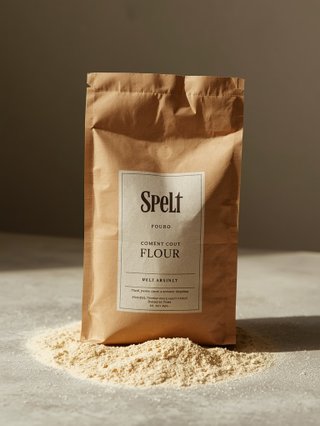
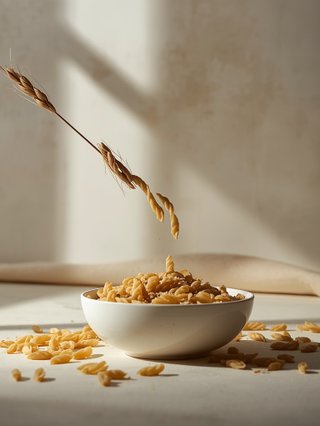
Spelt (Triticum spelta) represents an ancient, unhybridized ancestor of modern wheat, cultivated for millennia and famously extolled by St. Hildegard of Bingen. Whole spelt flour offers a delicate, more water-soluble gluten profile, rendering it noticeably gentler on sensitive digestive tracts (though containing gluten, it is unsuitable for celiac disease). Spelt delivers higher concentrations of bioavailable protein, beneficial lipids, zinc, and copper than standard commercial wheat. Baked goods crafted from whole spelt boast an enchanting nutty aroma and tender crumb, excelling in artisanal breads, rustic brioches, muffins, and homemade pasta.
Whole Grain Brown Rice Flour: Hypoallergenic Gluten-Free Alternative
For individuals navigating celiac disease, wheat allergies, or non-celiac gluten sensitivity, brown rice flour serves as an outstanding staple. Milled from unpolished whole brown rice retaining the nutritious bran, it provides rich thiamine, niacin, pyridoxine, magnesium, phosphorus, and protective plant lignans. Being inherently hypoallergenic and low in fermentable oligosaccharides, it is exceptionally gentle on delicate stomachs. Brown rice flour functions reliably as a neutral thickening agent for sauces, in gluten-free crepes, waffles, delicate shortbreads, and crisp batter coatings. For gluten-free breads, blending it with starches (tapioca) and psyllium husk restores moisture and elasticity.
Want to apply these guidelines in your daily diet?
Our smart diet generator creates a tailored meal plan in 3 minutes based on the recommendations in this article.
Tags

Alicja Kowalska
• 25.11.2026Diets Premium Expert
Diets Premium team expert. Specializes in nutrition plans, strength sports, and training plans.