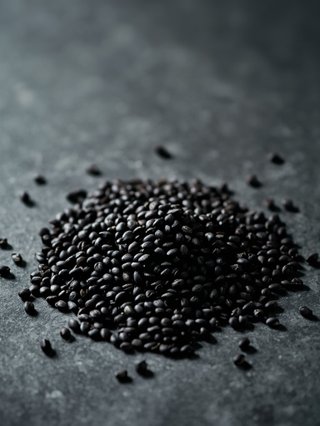
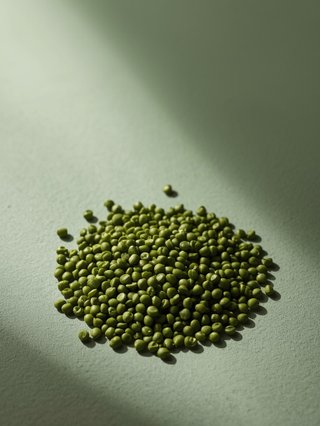
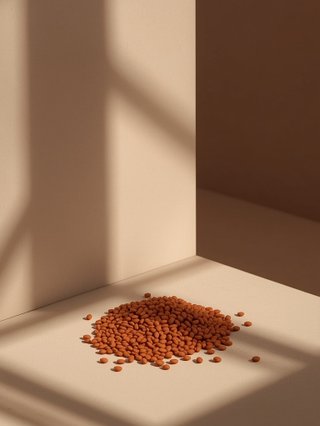
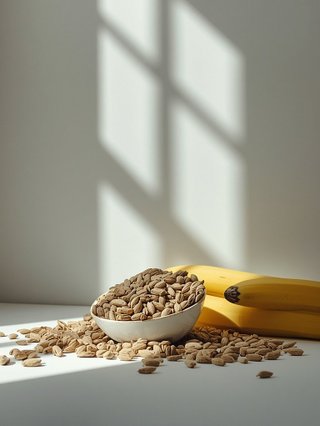
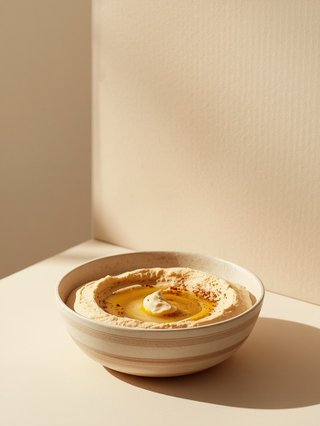
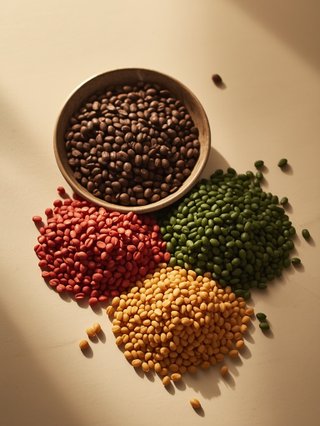
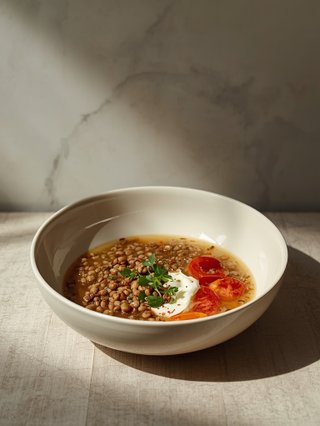
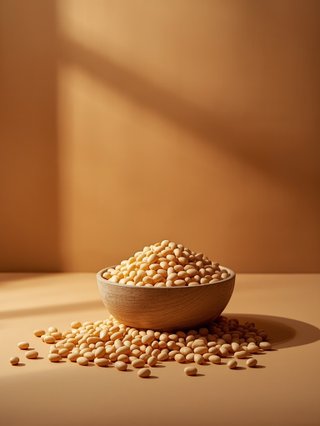
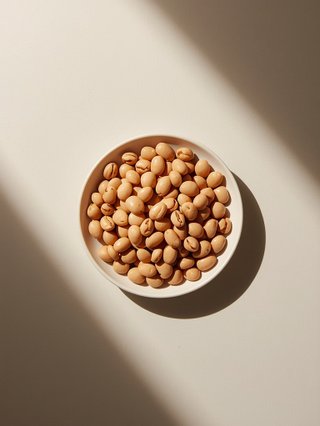
What does falafel look like? Chickpea, bean, and lentil falafel
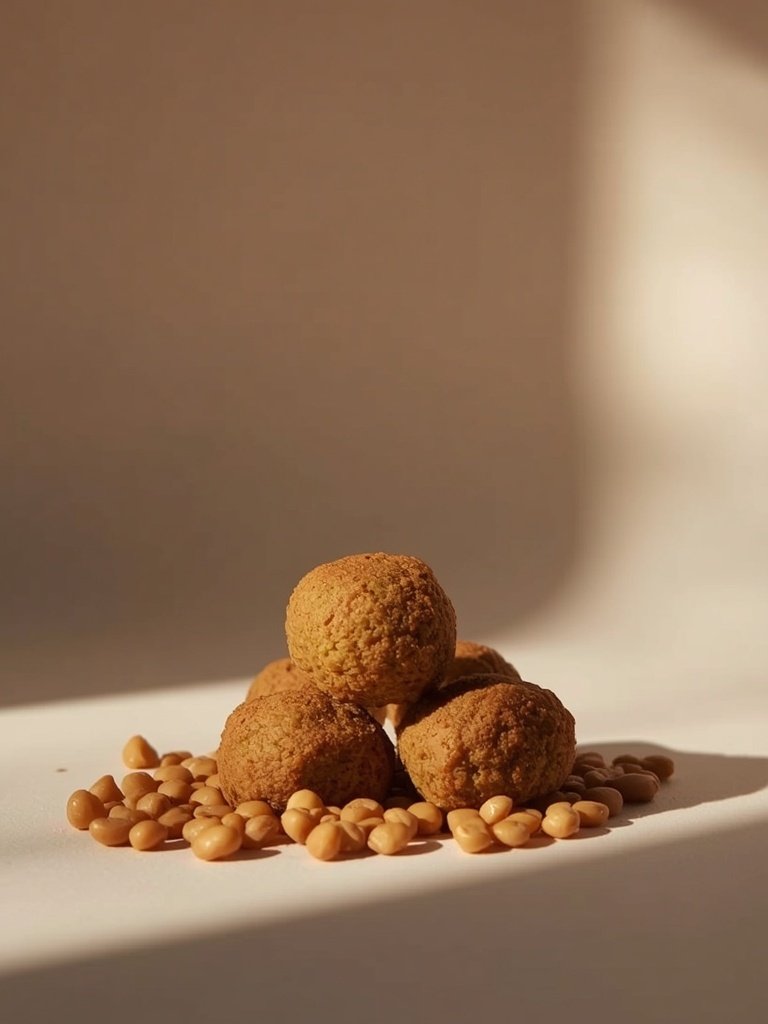
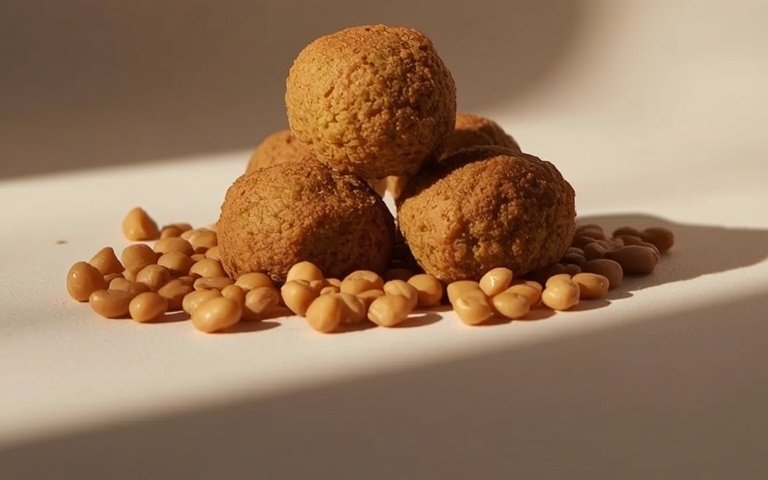
Table of Contents 4
Medical & Editorial Disclaimer (§3 Terms): This article is for informational and educational purposes only, does not constitute medical advice, diagnosis, or treatment, and is used at your own risk. Consult a qualified physician for medical conditions.
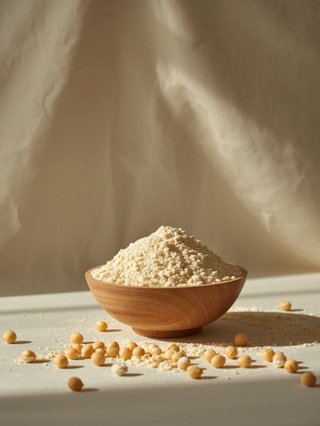
The physiological benefits of falafel are rooted in its primary ingredients: chickpeas, fava beans, or lentils, which serve as sources of valuable plant proteins and dietary fiber. These legumes, when combined with aromatic herbs and spices like cumin, coriander, and garlic, create a nutrient-dense profile that supports digestive health and provides sustained energy. The inclusion of various bean varieties allows for a diverse intake of phytonutrients, while the traditional preparation method ensures that the integrity of the plant-based components is maintained.
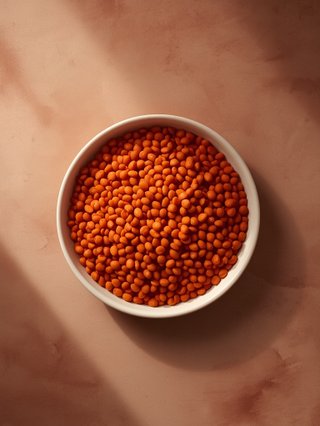
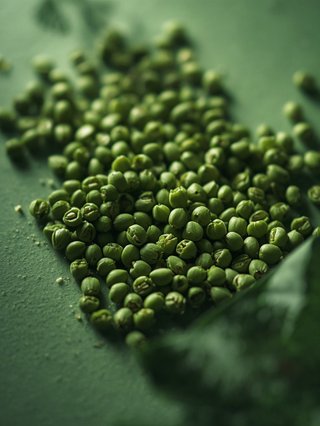
Integrating falafel into daily meals provides a versatile solution for those looking to reduce meat consumption while maintaining a high-quality nutritional intake. Homemade versions are particularly beneficial as they allow for the use of fresh ingredients like parsley and cilantro, which further enhance the antioxidant properties of the dish. By experimenting with different legume bases such as green or red lentils, individuals can enjoy a variety of textures and flavors, making it easier to maintain a diverse and health-conscious approach to modern nutrition.
Dried fruit and vegetables, whether or not containing added sugar or other sweetening matter
Falafel is an ingredient
Containing 85% or more but not more than 80% by weight of starch
How do you make falafel?
Want to apply these guidelines in your daily diet?
Our smart diet generator creates a tailored meal plan in 3 minutes based on the recommendations in this article.

Julia Wójcik
• 24.09.2026Diets Premium Expert
Diets Premium team expert. Specializes in nutrition plans, strength sports, and training plans.