Warming tinctures and extracts: phytochemicals, safety, and alcohol-free alternatives
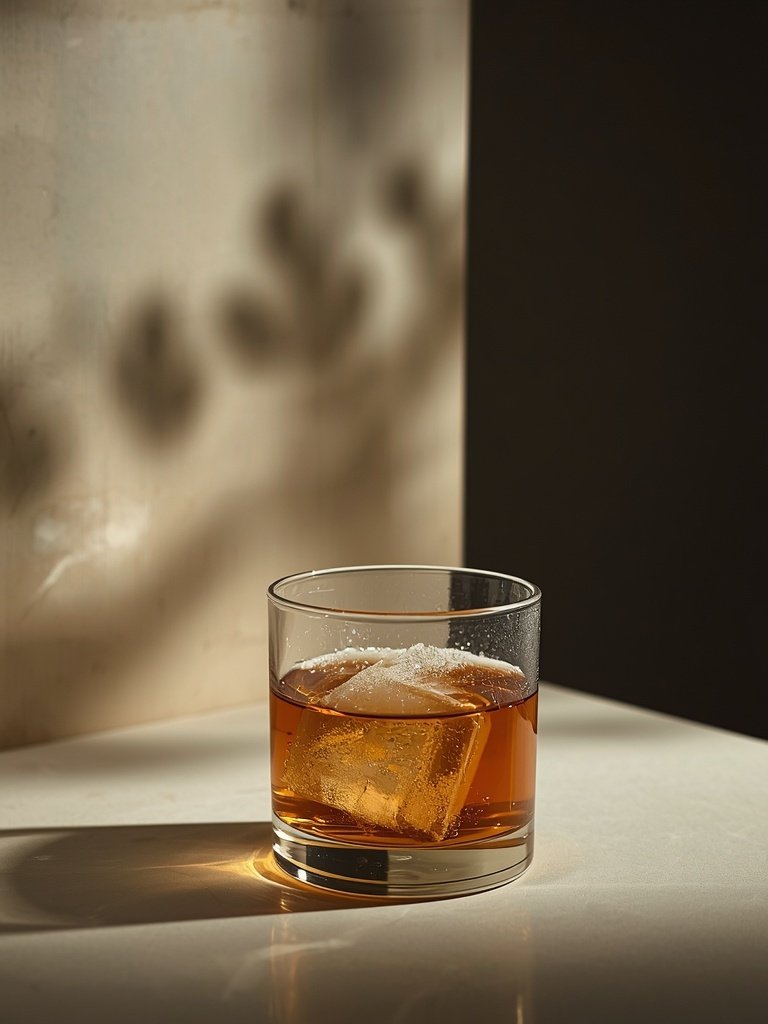

Table of Contents 4
Medical & Editorial Disclaimer (§3 Terms): This article is for informational and educational purposes only, does not constitute medical advice, diagnosis, or treatment, and is used at your own risk. Consult a qualified physician for medical conditions.
An analysis of the ingredients reveals that ginger root, with its gingerols and shogaols, can stimulate microcirculation, while rosehip supplies specialized galactolipids and carotenoids for joint health. Hawthorn berries are rich in oligomeric proanthocyanidins, which may support the cardiovascular system. Traditionally, ethanol is employed for extracting these compounds as it dissolves both polar and lipophilic substances and ensures the long-term stability of the extracts. However, it is crucial to consider the physiological effects of alcohol, especially concerning mucosal irritation and potential interactions.
For daily use, numerous non-alcoholic alternatives are available that deliver the active plant compounds without the drawbacks of ethanol. These include oxymels, which combine apple cider vinegar and honey with herbs, as well as potent decoctions made from ginger and turmeric. These preparations allow for the safe and effective utilization of the warming and beneficial properties of plants, serving as an excellent complement to a plant-based diet and a healthy lifestyle.
Artisanal herbal tinctures and warming fruit infusions have formed a central pillar of traditional European botanical medicine for centuries. Botanical preparations featuring ginger, rosehip, hawthorn, and raspberry provide valuable polyphenolic fractions. However, high ethanol concentrations impose physiological caveats. This guide examines phytochemical solvent mechanics, metabolic thresholds, and potent non-alcoholic alternatives.
Tradition Meets Phytochemistry: Solvent Extraction in Tinctures
The historical reliance on ethanol in pharmacognosy stems from its specific solvent capabilities:
- Amphiphilic solvent dynamics: Ethanol dissolves both polar and lipophilic phytochemical fractions that resist aqueous extraction (such as essential oils, oleoresins, and alkaloids).
- Enzymatic denaturation and preservation: High-proof ethanol inactivates degradative plant enzymes and halts microbial spoilage, ensuring long-term shelf stability of extracted fractions.
- Cellular membrane permeability: Ethanol penetrates fibrous plant matrices, lysing cell walls to rapidly liberate locked-in bioactive compounds.
Botanical Profiles: Ginger, Rosehip, Hawthorn, and Raspberry
Distinct biochemical profiles of standard winter botanical ingredients:
- Ginger root (Zingiber officinale): Gingerols and shogaols activate vanilloid TRPV1 thermoreceptors, accelerating peripheral microcirculation and reducing systemic inflammation.
- Rosehip (Rosa canina): Supplies specialized galactolipids (GOPO) and carotenoids, clinically studied for joint mobility and anti-inflammatory support.
- Hawthorn berry (Crataegus monogyna): Dense in oligomeric proanthocyanidins (OPCs), optimizing coronary flow and myocardial performance.
- Wild raspberry fruit (Rubus idaeus): Rich in natural salicylic derivatives and ellagitannins, exerting gentle diaphoretic and antipyretic actions.
Pharmacology and Safety: Ethanol Thresholds and Contraindications
Clinical evaluation highlights critical caveats when using alcohol-extracted preparations:
- Cutaneous vasodilation vs core heat loss: Ethanol stimulates peripheral superficial capillaries creating transient subjective warmth, but paradoxically speeds core hypothermia in freezing conditions.
- Mucosal irritation and hepatic stress: High-proof spirit extracts irritate vulnerable gastric mucosa and load hepatic cytochrome P450 pathways during acute infections.
- Pharmaceutical interactions: High hazard when combined with NSAIDs (ibuprofen, aspirin), acetaminophen, or antimicrobial drugs.
- Therapeutic dosing limits: True botanical tinctures are administered in drop measures (10–30 drops in water), never consumed as standard alcoholic beverages!
Non-Alcoholic Alternatives: Oxymels, Herbal Syrups, and Potent Decoctions
Safe, contemporary botanical preparations capturing active compounds without ethanol:
- Oxymel (acid-honey elixir): A traditional formulation combining raw unpasteurized apple cider vinegar with raw honey (1:2 or 1:3 ratio) to macerate ginger, garlic, thyme, and rosehip. Provides enzymes and organic acids completely alcohol-free.
- Simmered ginger-turmeric decoctions: Simmering freshly sliced ginger and turmeric rhizomes for 15 minutes, finished with freshly ground black pepper (piperine boosts curcumin uptake) and lemon juice.
- Cold-macerated rosehip elixir: Steeping dried crushed rosehips in cold water overnight and gently warming below 60°C to preserve heat-fragile ascorbic acid and flavonoids.
Want to apply these guidelines in your daily diet?
Our smart diet generator creates a tailored meal plan in 3 minutes based on the recommendations in this article.
Tags

Wojciech Wiśniewski
Diets Premium Expert
Diets Premium team expert. Specializes in nutrition plans, strength sports, and training plans.