Volumetric Diet: Food List, Recipes, Reviews, and Principles
Table of Contents 5
This article is professional premium content (PRO) provided in its entirety.
What is the Volumetric Diet? Principles and Foundations
The volumetric diet was created by dietitian Barbara Rolls of the Department of Food and Nutrition Sciences at the University of Pennsylvania in the United States. Her scientific work focuses on the topic of weight loss in the aspect of food intake control. Rolls' approach uses the concept of nutrient density, suggesting that foods with low energy density and low caloric content can be consumed in greater quantities. This leads to an early sense of satiety and reduces the need to strictly control meal volumes, hence the name 'volumetric' (from volume).
The main goal of the diet is to encourage the consumption of foods high in water and fiber, which have few calories but significant volume. These include fruits, vegetables, soups, and lean proteins. By eating these foods, people feel full longer without consuming excessive calories. The diet teaches how to compose meals that are both satisfying and nutrient-rich, leading to sustainable weight loss and improved eating habits.
Volumetric Diet: Food Categories and Meal Plan
Barbara Rolls believes that people eat for pleasure, for social and business purposes, and therefore strict adherence to a diet and any deviation from it causes anxiety and guilt. The volumetric diet does not offer a rigid, ready-made meal plan, but rather categorizes foods into four groups based on their caloric content per 100g, to accommodate individual needs and allow for flexible meal planning.
Category 1: 0–60 kcal / 100 g product (unlimited)
- Soups: Chicken broth, meatless vegetable soup, tomato soup based on vegetables, clear broth, lentil soup.
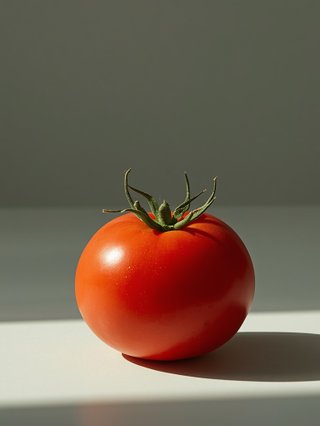
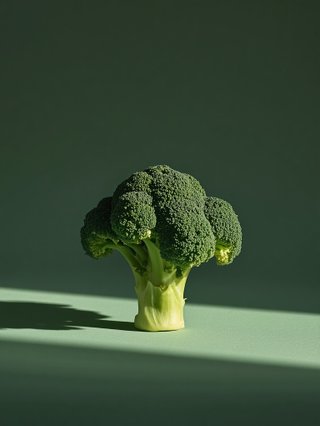
- Vegetables: Celery, cucumber, fresh tomato, fresh spinach, steamed zucchini, green lettuce, cooked asparagus, fresh broccoli, fresh mushrooms, cooked green peas, bell pepper, carrots, pumpkin.
- Fruits: Watermelon, strawberries, melon, peach, orange, raspberries, apple, black blueberry, pear.
- Dairy: Fat-free yogurts.
- Additions: Salsa, vinaigrette.
Category 2: 61–150 kcal / 100 g product (quantity and portion control per day)
- Soups: Clam chowder, pea soup.
- Dairy substitute: Firm tofu.
- Vegetables: Sweet potato, cooked green peas, bean seeds, cooked corn, potatoes in their skins.
- Fruits: Grapes, bananas.
- Dairy: Low-fat natural and fruit yogurts, cottage cheese.
- Grains: Bran flakes or cracked wheat with skim milk, cooked whole-grain spaghetti or brown rice.
- Meat, poultry, fish: Steamed shrimp, canned tuna in water, cooked tilapia, grilled skinless turkey breast, lean ham.
- Ready meals: Spaghetti with meatballs, chili con carne with beans, macaroni and cheese.
- Additions: Tomato paste, mustard, ketchup, black olives, fat-free ranch dressing.
Category 3: 151–400 kcal / 100 g product (quantity and portion control per week)
- Vegetables and legume products: Hummus, fried potatoes.
- Fruits: Avocado, raisins.
- Dairy: Light processed cheese, feta cheese, mozzarella, reduced-calorie Swiss cheese.
- Bread: Corn tortilla, whole-grain pita, whole-grain bread and refined flour bread.
- Meat, poultry, fish, eggs: Baked skinless chicken breast, hard-boiled eggs, grilled lean beef sirloin steak, baked farmed salmon, grilled medium-lean pork chop, grilled lean ground beef.
- Ready meals: Thin-crust cheese pizza, cheeseburger, egg and sausage toast.
- Desserts and snacks: Frozen yogurt, apple pie, ice cream, hard pretzels.
- Additions: Reduced-calorie ranch dressing, Italian dressing, light mayonnaise, processed cheese.
Category 4: 401–900 kcal / 100 g product (restriction or elimination)
- Dairy: Parmesan cheese, butter.
- Bread and crackers: Cinnamon Danish pastry, whole-grain and refined flour crackers, croissant.
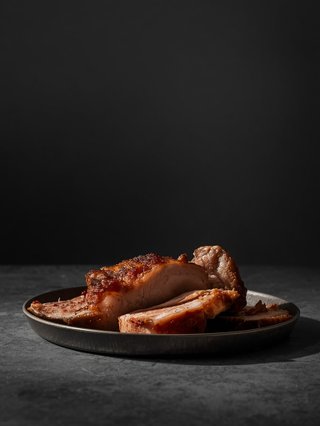
- Meat: Braised pork ribs, cooked bacon.
- Desserts, snacks, sweets: Carrot cake with cream cheese frosting, caramel popcorn, brownie, donut, trail mix, creamy chocolate sandwich cookies, potato chips, tortilla chips, hard granola bar, milk chocolate, chocolate chip cookies, fried cheese puffs, dark chocolate.
- Nuts: Classic and reduced-calorie peanut butter, dry-roasted almonds and pecans, fried peanuts.
- Additions: Jam, full-fat ranch dressing, full-fat mayonnaise, margarine sticks.
Sample Meal Plan:
- Breakfast: Bran flakes with skim milk (2), whole-grain bread (3) with a slice of lean ham (3), tomato, radish, and mint salad (1), water (1).
- Second Breakfast: Raspberry smoothie with fat-free yogurt (1).
- Lunch: Lentil soup (1), baked farmed salmon (3) with potatoes in their skins (2) and green salad with vinaigrette (1), water with a slice of lemon (1).
- Afternoon Snack: Pear (1).
- Dinner: Cottage cheese (2) with cucumber (1) and chives in a red bell pepper boat (1).
The numbers in parentheses indicate the product category. The diet's author recommends in her guides to start meals with products from group 1 due to their low caloric content. Only if satiety is not achieved should one reach for a product from a higher category.
Volumetric Diet: Practical Recipes for Everyday Life
The volumetric diet emphasizes simple, flavorful meals that are easy to prepare and provide a high sense of satiety with low caloric density. Here are two examples of dishes that fit perfectly within the framework of volumetric eating:
Recipe for Lentil Soup (Category 1)
This soup is rich in fiber and protein, yet low in calories and very filling.
- Ingredients: 1 can of lentils (drained), 2 glasses of vegetable broth, 1 carrot, 1 leek (white part only), 1/2 yellow bell pepper, 1/2 red bell pepper, 1 onion, 1 small chili pepper (optional), fresh herbs (e.g., parsley, cilantro), salt and pepper, olive oil.
- Preparation: Sauté the chopped onion and chili pepper in a little olive oil until translucent. Add the drained lentils and finely diced remaining vegetables. Sauté everything over low heat for about 10 minutes, stirring constantly. Pour in the vegetable broth and simmer covered for about 30 minutes until the vegetables are tender. Garnish with fresh herbs and season with salt and pepper.
Recipe for Salmon Fillet with Boiled Potatoes and Salad (Category 3 and 2)
A balanced dish that provides healthy fats, proteins, and complex carbohydrates.
- Ingredients: 1 salmon fillet (approx. 150-200g), 1 lemon, salt, pepper, 2-3 medium potatoes, green salad (e.g., lettuce, arugula), balsamic vinegar, olive oil, fresh herbs (e.g., dill).
- Preparation: Place a lemon slice on the salmon fillet, season with salt and pepper, and bake in a preheated oven at 180°C (350°F) for 15–20 minutes. Wash the potatoes thoroughly and boil them in their skins or bake them in the oven at 200°C (400°F) for about 30-40 minutes until tender. Wash the green salad and dress it with a vinaigrette made from balsamic vinegar, olive oil, and fresh herbs. Serve the salmon and potatoes together with the salad.
Benefits and Opinions on the Volumetric Diet
Studies conducted by Polish scientists, based on the 28-day volumetric diet guidelines for female patients, indicate positive effects: weight reduction, fat loss, increase in muscle tissue, and total body water (which is directly related to muscle mass). These results highlight the diet's potential for improving body composition.
From a dietary perspective, the volumetric diet, which involves low energy density and controlled intake of easily digestible carbohydrates, is particularly beneficial. It shares similarities in calorie distribution and recommended portion sizes with diets for patients with diabetes and prediabetes. Barbara Rolls' diet primarily focuses on teaching how to eat meals based on natural products, largely avoiding butter, nut products, and sweets.
However, there are also critical observations. Although the author's guides present a 12-week nutrition plan that allows for the addition of diet cola (later replaced by water) and other 'light' products, as well as the use of ready-made products, this may be difficult to transfer to local contexts, especially considering the realities and habits of US residents. Furthermore, the diet is still relatively unknown and untested among internet users in Poland, as evidenced by the lack of comments regarding its application and effects. The absence of a clearly defined, ready-made meal plan prompts many patients, especially women, to seek the services of a dietitian or try another diet. This is further complicated by the lack of publications on this topic in Polish, despite the author's years of scientific research and Polish translations of her guides.
Conclusion and Recommendations for the Volumetric Diet
The volumetric diet offers a promising approach to weight loss and improving eating habits by focusing on satiating, nutrient-rich, and low-calorie foods. Its main advantage lies in its flexibility and promotion of a better understanding of food nutrient density, rather than imposing rigid rules or prohibitions. This can lead to a more sustainable lifestyle change than many other diets.
For individuals seeking a long-term solution for weight management and willing to engage with the principles of nutrient density, the volumetric diet can be very effective. However, it is important to recognize that success largely depends on individual implementation and the ability to create creative and balanced meals. Beginners might feel overwhelmed by the initial freedom and could benefit from the support of a dietitian to correctly interpret the categories and develop a suitable meal plan.
In conclusion, the volumetric diet is a scientifically sound method that can lead to positive results when applied consistently and consciously. It promotes a healthy relationship with food and teaches how to eat until satisfied without exceeding calorie intake. Adapting it to local conditions and seeking individual advice can help maximize the benefits of this diet and achieve long-term success.
Want to apply these guidelines in your daily diet?
Our smart diet generator creates a tailored meal plan in 3 minutes based on the recommendations in this article.

Literatura:
Diets Premium Expert
Diets Premium team expert. Specializes in nutrition plans, strength sports, and training plans.