Central obesity – causes, treatment methods, and optimal dietary model
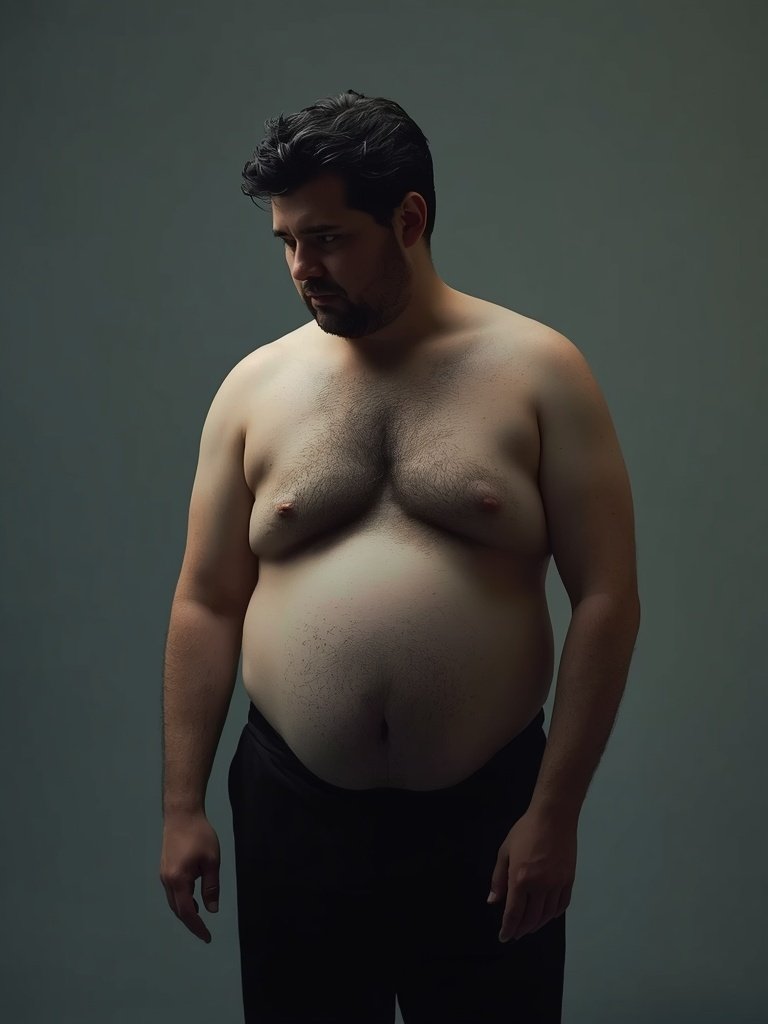
Table of Contents 3
Medical & Editorial Disclaimer (§3 Terms): This article is for informational and educational purposes only, does not constitute medical advice, diagnosis, or treatment, and is used at your own risk. Consult a qualified physician for medical conditions.
Physiologically, visceral fat accumulation is driven by a chronic caloric surplus, sedentary habits, and hormonal shifts such as declining sex hormone levels during midlife transitions. Because visceral adipose tissue is metabolically hyperactive, it responds quite readily to consistent lifestyle modifications. Structured physical activity that combines aerobic exercise with resistance training helps fortify core musculature, supports metabolic health, and encourages the mobilization of fat stores.
An optimal dietary approach for addressing visceral adiposity relies on moderate caloric restriction paired with high nutrient density rather than restrictive crash diets. Incorporating fiber-rich foods like whole grains, legumes, and vegetables helps stabilize blood glucose levels and promotes sustained satiety, while prioritizing healthy anti-inflammatory fats contributes to long-term metabolic balance and sustainable health improvements.
Central adiposity, alternatively referred to as visceral obesity or an "apple-shaped" body composition, represents a significant health hazard due to the excessive accumulation of adipose tissue within the abdominal cavity, encasing critical internal organs. While the concentration of fat around the midsection is frequently perceived as a cosmetic concern, this specific pattern of fat distribution is strongly associated with an elevated risk of metabolic disorders, cardiovascular diseases, and systemic health complications, ultimately resulting in a diminished quality of life and reduced longevity.
Etiology and underlying causes of visceral obesity
The primary driver of visceral obesity is a chronic caloric surplus paired with a sedentary lifestyle. The habitual consumption of high-calorie, ultra-processed foods rich in simple sugars and trans fats heavily promotes the deposition of fat within the peritoneal cavity.
Key contributing factors include:
- Hormonal shifts: Declining estrogen levels during menopause cause a shift in fat distribution toward the abdomen in women. In men, low testosterone levels similarly encourage visceral fat accumulation.
- Genetic predisposition: Individual metabolic profiles and body typologies dictate where the body preferentially stores excess energy reserves.
- Pharmacological agents: The prolonged use of specific medications, notably glucocorticoids prescribed for asthma or autoimmune rheumatic diseases, is well-documented to induce abdominal fat deposition.
Therapeutic approaches and lifestyle interventions
The cornerstone of effective visceral obesity management is a permanent lifestyle modification. Because visceral adipose tissue is metabolically hyperactive, it fortunately responds rapidly to consistent interventions involving caloric deficit and enhanced physical exertion.
Core therapeutic components include:
- Structured physical activity: A balanced regimen combining aerobic exercise (cycling, brisk walking, swimming) with resistance training fortifies the core musculature, supports spinal health, and elevates basal metabolic rate.
- Stress regulation: Chronic psychological distress triggers cortisol release, a hormone directly implicated in visceral fat storage. Adequate sleep and mindfulness practices are thus vital.
- Medical supervision: When obesity triggers metabolic syndrome, hypertension, or dyslipidemia, professional medical guidance is mandatory to implement appropriate pharmacological support alongside lifestyle changes.
The optimal nutritional protocol for visceral fat reduction
A successful dietary protocol targeting visceral adipose tissue relies on moderate caloric restriction paired with high nutrient density. Stabilizing blood glucose levels is paramount to controlling insulin surges that lock fat inside adipose depots.
Core dietary recommendations include:
- High-fiber intake: Whole grains, legumes, vegetables, and low-sugar fruits promote prolonged satiety, nurture a healthy gut microbiome, and optimize intestinal transit.
- Anti-inflammatory fats: Prioritizing plant-based oils (olive oil, flaxseed oil) and omega-3 fatty acids from fatty fish and raw nuts over saturated animal fats.
- Lean protein sources: Incorporating poultry, fish, eggs, and plant proteins to preserve lean muscle mass during active fat loss.
Completely eliminating sugary beverages, ultra-processed fast food, and heavy sauces is essential to unburden hepatic and metabolic pathways, ultimately safeguarding long-term cardiovascular health.
Want to apply these guidelines in your daily diet?
Our smart diet generator creates a tailored meal plan in 3 minutes based on the recommendations in this article.
Tags

Kacper Nowak
• 23.10.2026Diets Premium Expert
Diets Premium team expert. Specializes in nutrition plans, strength sports, and training plans.