Vegetable preserves – manufacturing process, advantages and disadvantages
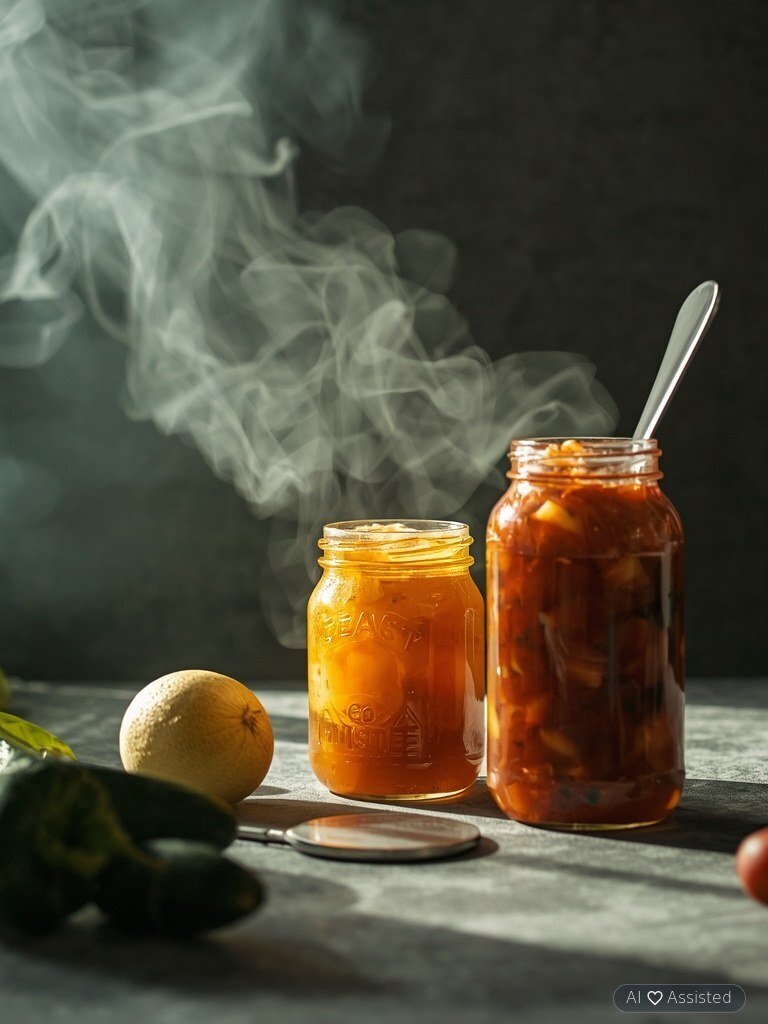
Vegetable preserves – manufacturing process, advantages and disadvantages
1 photo
821

Smart Voice

AI
0:00
0:00
Listen to the article content live
Table of Contents 4
Golden grains of corn, minuscule green pea spheres, preserved cucumbers, colorful bean seeds, or green or black olives. In stores, there is a true wave of vegetables, enclosed in metal containers or airtight jars, in the company of colorful labels.. Is it worth investing in such preparations? What nutritional value does bell pepper in sauce deliver?
01 / 04

Technological processes in canned vegetable production and principles of preservation

Fresh vegetable raw materials are prone to relatively rapid spoilage, resulting in the loss of their sensory attributes—including flavor, aroma, and texture. The primary objective of canned vegetable production is to substantially extend shelf life and provide consumers with access to a diverse range of preparations irrespective of the natural seasonal availability of fresh produce. The technological process involves the meticulous selection of suitable vegetable varieties, thorough cleaning to remove inedible components, optional trimming or shaping (e.g., into cubes, slices, or strips), followed by thermal processing via pasteurization or sterilization under strictly controlled temperature conditions. Both methods are designed to eliminate pathogenic microorganisms, thereby ensuring the microbiological safety of the final product. Pasteurization, conducted at temperatures not exceeding 100°C for several minutes, represents a gentler approach that preserves a higher proportion of nutritional value. In contrast, sterilization, performed at 130–140°C for 15–30 seconds, is a more aggressive process that may induce certain alterations in the product’s structure and composition. While canned vegetables offer a convenient alternative to fresh counterparts, they possess both advantages and limitations that warrant consideration in their consumption.
02 / 04

The often-overlooked benefits of canned vegetables: Practicality, storage, and nutritional considerations

Canned vegetables represent a remarkably versatile solution for both culinary convenience and long-term food storage, offering distinct advantages in everyday meal preparation and emergency scenarios. Their preparation requires minimal effort—simply removing them from the can and optionally heating them in their brine to the desired serving temperature makes them particularly suitable for products like corn or green beans. The metal packaging eliminates the need for refrigeration or specialized storage conditions, rendering them an optimal choice for outdoor excursions, camping trips, or situations where refrigeration is unavailable. Their extended shelf life—often spanning multiple years—allows households to maintain a ready-to-use supply for quick meal enhancements, whether as a simple side dish or as a core ingredient in improvised recipes such as rice-and-tuna salads for unexpected visitors. The rigorous processing methods, including pasteurization and sterilization, ensure exceptional microbiological safety by effectively neutralizing harmful pathogens. An often-overlooked benefit is the substantial reduction in potentially hazardous nitrogen compounds (nitrates and nitrites), which root vegetables like beets and carrots may absorb and concentrate when grown in contaminated soils.
03 / 04

Quality and Nutritional Shortcomings of Canned Vegetables: A Comprehensive Assessment

Thermally processed canned vegetables exhibit pronounced deviations from their fresh counterparts in both visual presentation and organoleptic characteristics, with species-specific aromatic and olfactory profiles undergoing substantial attenuation. The diminished nutritional value stems from the heat-induced degradation of labile bioactive compounds, including water-soluble vitamins and essential minerals. Furthermore, submersion of the raw material in the canning liquid facilitates the leaching of these nutrients into the brine, which is subsequently discarded during preparation. Particularly severe losses are observed in ascorbic acid (vitamin C) and the B-vitamin complex. Prolonged storage exacerbates nutrient depletion, thereby further compromising the dietary utility of the product.
04 / 04

Processed vegetables in nutrition: When do they make sense and how to incorporate them judiciously?

Thermally processed vegetables are not notable for their high content of micronutrients or vitamins, as exposure to elevated temperatures during canning leads to the degradation of many valuable nutritional compounds. Their consumption is justified only in exceptional circumstances—such as during seasonal shortages of fresh produce (e.g., in winter) or in situations demanding quick and convenient meal preparation. Canned vegetables may prove useful during travel, excursions, or outdoor trips due to their ease of storage and minimal preparation requirements. While they can supplement salads or vegetable-based dishes, they should not serve as the primary ingredient; instead, they are best treated as a secondary component rather than the foundation of a meal. Given their limited nutritional profile, frequent consumption is not advised. Far superior alternatives for health include fresh, frozen, or fermented vegetables, which retain the majority of their vitamins, minerals, enzymes, and bioactive compounds—such as antioxidants and organic acids—that are essential for optimal bodily function.
Meal Plan

Want to apply these guidelines in your daily diet?

Our smart diet generator creates a tailored meal plan in 3 minutes based on the recommendations in this article.

Literatura:
Scientifically reviewed by a clinical dietitian • 24.09.2026

Literatura:

Diets Premium Expert

Diets Premium team expert. Specializes in nutrition plans, strength sports, and training plans.

USDA FoodData Central EFSA PubMed Clinical Guidelines
Loading
Recommended articles in this category

Related Articles

Discover similar publications and expert insights.

Manufacture and attributes of dried vegetables and fruits - examination of benefits and drawbacks
Food Science
Manufacture and attributes of dried vegetables and fruits - examination of benefits and drawbacks
⏱ 6 min czytania 📚 Food Science
#Vegetable #Fruit
Plant Sprouts – Types, Uses, Nutritional Benefits, and Health Gains from Consumption
Nutritional Benefits
Plant Sprouts – Types, Uses, Nutritional Benefits, and Health Gains from Consumption
⏱ 3 min czytania
#Nutritional Benefits #Nutritional Values
Chickpea Flour (Besan) – Nutritional Value, Plant Protein, Culinary Uses, and Tested Recipes
Food Science
Chickpea Flour (Besan) – Nutritional Value, Plant Protein, Culinary Uses, and Tested Recipes
⏱ 5 min czytania 📚 Food Science
#Gluten-free Alternatives #Nutritional Properties
Dried tomatoes – properties, nutritional value, and culinary use
Health Benefits
Dried tomatoes – properties, nutritional value, and culinary use
⏱ 3 min czytania
#Health Benefits #Dried Tomatoes
Vegetables cooked by steaming - pots for steaming... Which vegetables should be cooked by steaming?
Vegetables
Vegetables cooked by steaming - pots for steaming... Which vegetables should be cooked by steaming?
⏱ 5 min czytania 📚 Vegetables
#Simmered #Vegetable
Beans – Properties, Nutritional Value, Recipes… How to Cook Beans?
Nutritional Value
Beans – Properties, Nutritional Value, Recipes… How to Cook Beans?
⏱ 6 min czytania
#Nutritional Value #Beans
Catechins – what are these compounds and where can they be found?
Health Benefits
Catechins – what are these compounds and where can they be found?
⏱ 3 min czytania
#Health Benefits #Bioactive Compounds
Low-residue, low-fat diet – principles, clinical indications, and meal plan
Pregnancy & Motherhood
Low-residue, low-fat diet – principles, clinical indications, and meal plan
⏱ 5 min czytania 📚 Pregnancy & Motherhood
#Low-fat Nutrition #Low-fat Diet
"Cross vegetables - types… Cross vegetables and thyroid insufficiency"
Vegetables
"Cross vegetables - types… Cross vegetables and thyroid insufficiency"
⏱ 2 min czytania 📚 Vegetables
#Hypothyroidism #Fruit
Carrots: a comprehensive guide to cultivar diversity, nutritional composition, and health-promoting attributes
Vegetables
Carrots: a comprehensive guide to cultivar diversity, nutritional composition, and health-promoting attributes
⏱ 5 min czytania 📚 Vegetables
#Nutritional Requirements #Nutritional Composition
Optimal thermal processing techniques for vegetables to preserve nutritional value
Nutritional Value
Optimal thermal processing techniques for vegetables to preserve nutritional value
⏱ 3 min czytania
#Nutritional Value #Antioxidant
Unripe olives from the olive tree – characteristics and culinary applications
Sun-Dried Tomatoes
Unripe olives from the olive tree – characteristics and culinary applications
⏱ 2 min czytania
#Sun-dried Tomatoes #Dried Tomatoes
Eggplant – Nutritional Value, Recipes. How to Prepare Eggplant?
Nutritional Value
Eggplant – Nutritional Value, Recipes. How to Prepare Eggplant?
⏱ 5 min czytania
#Nutritional Value #Baking
Sweet Potatoes: Characteristics, Nutrients and Glycemic Index
Sweet Potatoes
Sweet Potatoes: Characteristics, Nutrients and Glycemic Index
⏱ 3 min czytania
#Sweet Potatoes #Sweet
Tomato: Nutritional profile, role in pregnancy, gout management, and healthy recipes
Pregnancy & Motherhood
Tomato: Nutritional profile, role in pregnancy, gout management, and healthy recipes
⏱ 6 min czytania 📚 Pregnancy & Motherhood
#Vegetable Cultivation #Nutritional Values
Spring Onion (Scallion) – Health Benefits, Nutrients, and Culinary Uses
Vegetables
Spring Onion (Scallion) – Health Benefits, Nutrients, and Culinary Uses
⏱ 2 min czytania 📚 Vegetables
#Vitamin C #Vitamins
Novel Phytochemical Frontiers: Sulforaphane, Anthocyanins, Senolytic Quercetin, and Urolithin A in Plant Nutrition
Pregnancy & Motherhood
Novel Phytochemical Frontiers: Sulforaphane, Anthocyanins, Senolytic Quercetin, and Urolithin A in Plant Nutrition
⏱ 4 min czytania 📚 Pregnancy & Motherhood
#Plant-Based Foods #Dietary Prevention
Mastering sous vide precision cooking: scientific principles, equipment, thermal parameters, and proven home recipes
Nutritional Value
Mastering sous vide precision cooking: scientific principles, equipment, thermal parameters, and proven home recipes
⏱ 8 min czytania
#Nutritional Value #Micronutrients
Freezing Food Products Correctly: Fruits, Vegetables, and Meats – Technical Guidelines and Safe Meat Thawing Techniques
Nutritional Value
Freezing Food Products Correctly: Fruits, Vegetables, and Meats – Technical Guidelines and Safe Meat Thawing Techniques
⏱ 5 min czytania
#Nutritional Value #Vegetables
Calcium – its function in the body, requirement, and sources
Minerals
Calcium – its function in the body, requirement, and sources
⏱ 4 min czytania 📚 Minerals
#Green Vegetables #Dairy
Red onions – nutritional value, recipes... can you sauté red onions?
Nutritional Values
Red onions – nutritional value, recipes... can you sauté red onions?
⏱ 4 min czytania
#Nutritional Values #Nutritional Value
Rice Noodles Composition, Culinary Uses, and Preparation Methods – Guide with Recipes and Dietary Tips
Food Science
Rice Noodles Composition, Culinary Uses, and Preparation Methods – Guide with Recipes and Dietary Tips
⏱ 3 min czytania 📚 Food Science
#Complex Carbohydrates #Chicken Breast
Corn germ oil: Cold-pressed maize extract with high unsaturated fatty acid density
Polyunsaturated Fatty Acids
Corn germ oil: Cold-pressed maize extract with high unsaturated fatty acid density
⏱ 2 min czytania
#Polyunsaturated Fatty Acids #Maize Germ Oil
Does the consumption of palm oil have detrimental effects on human health?
Health
Does the consumption of palm oil have detrimental effects on human health?
⏱ 6 min czytania 📚 Health
#Vegetable #Baked
Sunflower Sprouts – Cultivation and Nutritional Values
Nutritional Values
Sunflower Sprouts – Cultivation and Nutritional Values
⏱ 3 min czytania
#Nutritional Values #Nutrition Facts
Kiwano (Horned Melon, Cucumis metuliferus): Botanical characteristics, nutritional profile, and culinary applications
Culinary Uses
Kiwano (Horned Melon, Cucumis metuliferus): Botanical characteristics, nutritional profile, and culinary applications
⏱ 3 min czytania
#Culinary Uses #Vegetables
Raspberry Beefsteak Tomato (Pomidor malinowy): Cultivar Traits, Micronutrients, Lycopene, and Summer Salad Recipe
Nutrient-Dense
Raspberry Beefsteak Tomato (Pomidor malinowy): Cultivar Traits, Micronutrients, Lycopene, and Summer Salad Recipe
⏱ 3 min czytania
#Nutrient-Dense #Nutritional Composition
The onion - properties and applications... the onion in combating acne, scars, and hair care
Vegetables
The onion - properties and applications... the onion in combating acne, scars, and hair care
⏱ 4 min czytania 📚 Vegetables
#Syrup #Vegetable
Corn Flour – Characteristics, Culinary Applications, and Comparison with Cornstarch
Food Science
Corn Flour – Characteristics, Culinary Applications, and Comparison with Cornstarch
⏱ 5 min czytania 📚 Food Science
#Maize Starch #Functional
Rice wafer crackers - manufacturing process, nutritional composition, advantages, and disadvantages
Healthy Snacks
Rice wafer crackers - manufacturing process, nutritional composition, advantages, and disadvantages
⏱ 4 min czytania 📚 Healthy Snacks
#Healthy Snack #Rice Flakes

Share