4 min read
Use of Bee Products in Therapy

1 photo
809
Smart Voice
AI
0:00
0:00
Listen to the article content live
Table of Contents 3
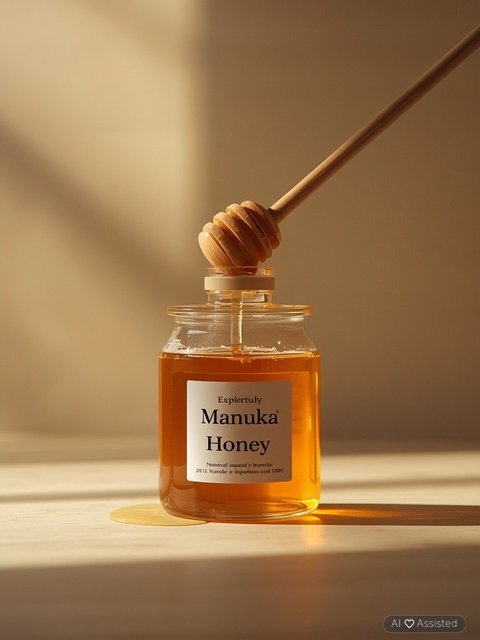
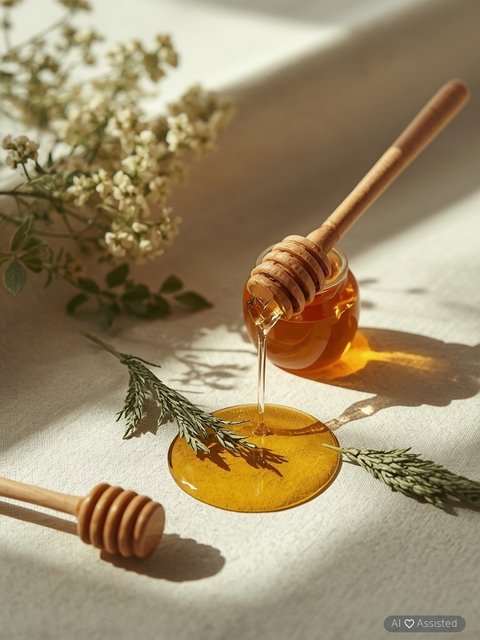
For centuries, bee-related products have been utilized in folk medicine. The ancient Greeks, Romans, Egyptians, and Chinese appreciated the antibacterial properties of honey and employed it as a remedy for wounds and digestive system disorders. Nowadays, bee derivatives are still utilized in the treatment of diverse ailments.
01 / 03
Bee-product therapy: Apotherapy in integrative and clinical medical practice
Apotherapy (derived from the Latin *Apis*, denoting the honeybee, and the Greek *therapeía*, signifying healing intervention) constitutes a specialized branch of complementary and integrative medicine focused on the prophylactic and therapeutic application of biologically active apicultural derivatives. Core substances utilized in this modality include: honey, exhibiting broad-spectrum antimicrobial and prebiotic properties; propolis, a resinous compound with documented immunomodulatory and antioxidant effects; bee pollen, a nutrient-dense source of complete proteins, vitamins, and trace elements; beeswax and comb honey, employed as structural matrices in pharmaceutical and cosmetic formulations; royal jelly, recognized for its adaptogenic and geroprotective attributes; and bee venom, which demonstrates potent analgesic and anti-inflammatory activity, particularly in the management of chronic pain syndromes and autoimmune disorders. The pharmacodynamic profile of these substances encompasses a multifaceted range of biological actions: suppression of pathogenic microorganisms (bacteriostatic and virucidal mechanisms), acceleration of tissue repair processes (epidermal regeneration, neovascularization), modulation of inflammatory mediators, and systemic detoxification at the cellular level. Notably, apicultural products extend far beyond conventional household remedies—they serve as the foundational substrates for advanced pharmaceutical preparations (termed apitherapeutics), which are clinically integrated across diverse medical specialties. These include dermatology (management of chronic ulcers and atopic dermatitis), orthopedics (adjunctive therapy for degenerative joint diseases), cardiac surgery (enhancement of post-ischemic revascularization), otolaryngology (treatment of pharyngolaryngeal inflammations), and pediatrics (immune fortification in children with recurrent infectious episodes).
02 / 03
Apitherapy: selecting the optimal honey variety for targeted health and therapeutic benefits
Honey constitutes a rich reservoir of complete proteins, exogenous amino acids, bioactive enzymes (including diastase, invertase, and catalase), organic acids (such as malic, lactic, and citric acids), phenolic compounds with antioxidant properties, a complex of B vitamins, vitamins C and K, and an array of micro- and macronutrients (potassium, magnesium, calcium, iron, zinc). Its health-promoting attributes are extensively documented in medical literature; however, individual varieties exhibit distinct biochemical compositions, resulting in diverse therapeutic applications. **Polyfloral honey**—derived from the nectar of multiple plant species—demonstrates desensitizing effects in inhalant allergies (pollinosis, bronchial asthma), modulates immune responses, accelerates recovery from viral infections (influenza, common cold), aids hepatic detoxification, and enhances cardiovascular parameters by reducing triglyceride levels. **Linden honey** is characterized by significant antimicrobial activity (bacteriostatic effects against *Staphylococcus aureus* and *Escherichia coli*), lowers body temperature during febrile states, facilitates expectoration in bronchitis, regulates blood pressure via peripheral vasodilation, and its flavonoid content (quercetin, kaempferol) exhibits neuroprotective properties by mitigating oxidative stress within the nervous system. **Acacia honey**, with its low acidity (pH ~3.8–4.2), is recommended for hyperacidic dyspepsia, ulcerative gastritis, and gastroesophageal reflux disease; its prebiotic properties support gut microbiota, while its high fructose content promotes diuresis, making it useful in preventing renal lithiasis. Additionally, this honey accelerates wound epithelialization (through fibroblast stimulation) and possesses anxiolytic effects. **Rapeseed honey**—rich in glucose (up to 38%)—rapidly replenishes glycogen stores, which is beneficial in physical exhaustion; regular consumption improves hematological indices (increases hemoglobin levels), supports thyroid function (iodine content), and inhibits bone resorption, a critical factor in postmenopausal osteoporosis prevention. **Heather honey** contains substantial benzoic acid, which exerts astringent and anti-inflammatory effects on the mucosal membranes of the throat and oral cavity; its use is indicated for *Helicobacter pylori*-associated gastric diseases and benign prostatic hyperplasia (BPH). **Buckwheat honey** exhibits the highest antioxidant activity among honey varieties (ORAC ~15,000 µmol TE/100g), rendering it effective in atherosclerosis prevention (inhibiting LDL oxidation) and as an adjunct in anemia treatment (due to its iron and copper content). *In vitro* studies confirm its hepatoprotective effects (protection against toxins such as carbon tetrachloride) and nootropic benefits (enhancement of cognitive functions). **Honeydew honey**, derived from aphid secretions, contains unique triterpenes (betulinic acid) that demonstrate antitumor (*in vivo* angiogenesis inhibition) and immunomodulatory activities; it is employed to regulate intestinal peristalsis (alleviating both diarrhea and constipation) and in the treatment of inflammatory dermatoses (eczema, psoriasis) owing to its keratolytic properties.
03 / 03
Apitherapy: Evidence-based therapeutic applications of non-honey bee derivatives – health benefits and clinical mechanisms
Apicultural derivatives represent an invaluable reservoir of bioactive compounds with well-documented salutary effects on human physiology. Beyond the widely recognized honey, this category encompasses: substances foraged by bees (flower pollen as a protein-vitamin concentrate), enzymatically processed bee products (propolis with its potent antiseptic properties and bee bread as fermented pollen), and bee secretions (royal jelly rich in stimulatory hormones, bee venom with immunomodulatory capacity, and beeswax with protective functions). Each of these products demonstrates distinct therapeutic activities: flower pollen facilitates cardiovascular disease management (including hypertension and atherosclerosis), modulates glucose metabolism in type 2 diabetes patients, accelerates hepatic and biliary tract cell regeneration, alleviates gastrointestinal mucosal inflammation (peptic ulcers and enteritis), mitigates benign prostatic hyperplasia symptoms, enhances immune responsiveness, and exhibits adaptogenic properties in chronic stress and mood disorders. Bee bread, a fermented pollen product, expedites postoperative recovery, improves microcirculation, supports anemia treatment, and protects neuronal cells from oxidative damage through its high flavonoid content. Propolis finds application in dentistry as an adjunct therapy for periodontitis, aphthous stomatitis, and gingivitis; promotes wound epithelialization (including decubitus ulcers and second-degree burns); demonstrates antifungal activity (in cutaneous candidiasis treatment) and antibacterial effects (against acne vulgaris); and its polyphenols attenuate gastrointestinal mucosal inflammation. Royal jelly, abundant in 10-hydroxy-2-decenoic acid, stimulates angiogenesis in chronic wound healing, aids hypochromic anemia therapy, enhances visual acuity in age-related macular degeneration patients, and exerts neuroprotective effects in neurodegenerative conditions (including multiple sclerosis). Bee venom, containing melittin and apamin, modulates inflammatory responses in autoimmune diseases (systemic lupus erythematosus), reduces pain symptoms in rheumatoid arthritis, lowers blood pressure in primary hypertension patients, and promotes peripheral nerve regeneration in neuropathies. Beeswax, through its fatty acid ester content, exhibits anti-inflammatory properties in allergic rhinitis, accelerates purulent wound healing, and supports psoriasis and eczema treatment. The systematic integration of bee products in apitherapy constitutes a scientifically validated alternative to synthetic pharmacotherapy, characterized by an enhanced safety profile, minimal drug interaction risks, and synergistic effects on multiple metabolic pathways within the organism.
Meal Plan
Want to apply these guidelines in your daily diet?
Our smart diet generator creates a tailored meal plan in 3 minutes based on the recommendations in this article.
Tags

Scientifically reviewed by a clinical dietitian
• 25.09.2026
Literatura: Ahuja A., Ahuja V., 2010. Apitherapy – A sweet approach to dental diseases – Part I : Honey. Journal of Advanced Dental Research VolI : Issue I, s. 81-86 Ahuja A., Ahuja V., 2011. Apitherapy – A sweet approach to dental diseases – Part II : Propolis. Journal of Academy of Advanced Dental Research, Vol 2; Issue 2, s. 1-7 Christopher M. H. Kim, 2013. Apitherapy – Bee Venom Therapy . Biotherapy – History, Principles and Practice , s. 77-112
Diets Premium Expert
Diets Premium team expert. Specializes in nutrition plans, strength sports, and training plans.
USDA FoodData Central
EFSA
PubMed Clinical Guidelines