Unwanted Products in the Infant's Diet
1 photo
502
Smart Voice
AI
0:00
0:00
Listen to the article content live
Table of Contents 14
PRO Content
PRO
This article is professional premium content (PRO) provided in its entirety.
Expanding the diet constitutes a significant phase in the life of an infant and its parents. Discovering new tastes, aromas, and textures can be an exhilarating experience for a child. However, it can be a slightly stressful period for caregivers due to abundant advice and information overload. Nevertheless, broadening the diet should not be a source of difficulties! Which type of products should not be given to children before completing their first year of life and why?
01 / 14
Expanding the child's diet - Basic information
For the first six months of life, breastfeeding or modified milk should be the only source of nutrition for infants. During this time, most children should be introduced to the process of replacing exclusive feeding with additional food products. Initially, these serve as a supplement to milk, which remains the main source of nutrition for the first year of the child's life. This process should occur gradually, until the child is around 2 years old and solid meals become the main source of energy. The latest recommendations for expanding the diet are more flexible than before and allow parents more freedom in choosing products and the order of their introduction. However, the most important rule remains that the decision about what and when to feed the child should be made by the parents, while the child decides what to eat and in what quantity.
02 / 14
What is not to be given to young children
Most products can be included in the menu from the early stage of expanding a child's diet. However, it is crucial to be aware that there are also those that should not be given to young children as they may pose a risk to their health.
03 / 14
Ingestion of raw meat, fish, and eggs
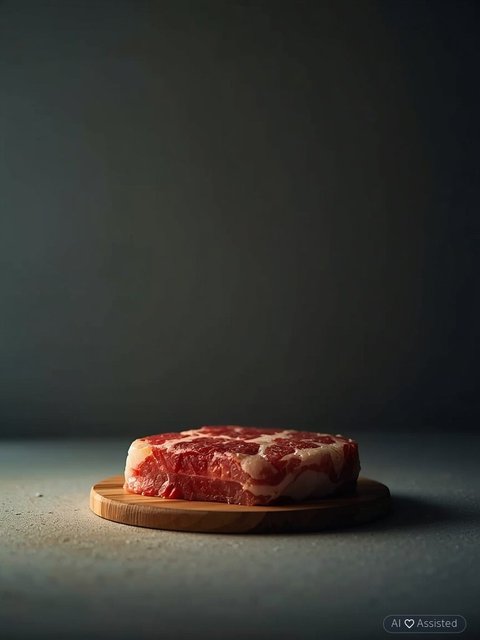
It is not recommended to administer raw meat, fish, or egg products (such as sushi, tartar, cogel-mogel, soft eggs) to infants due to the risk of infection with pathogenic bacteria or parasites which may be exceptionally harmful to children.
04 / 14
Mushrooms of the woods
It is of the utmost importance to remember that forest mushrooms should not be ingested by children under 12 years due to the danger of lethal poisoning. It is worth pointing out that merely extracting mushrooms from dishes does not render them innocuous for children. Children should also avoid consuming sauces and broths originating from forest mushrooms. Cultivated mushrooms, like white mushrooms or oyster mushrooms, are safe for children.
05 / 14
Syrup derived from honey
Syrup derived from honey is not recommended in the diet of children under 1 year of age as it may contain Clostridium botulinum. Infection with this bacterium can cause childhood botulism. It is a rare but serious disease that causes muscle weakness, difficulty breathing, and even death. Poisoning can also affect older children or adults, but it will no longer be as dangerous for them as it is for infants.
06 / 14
Milk of goats and sheep
The milk of goats and sheep contains significantly higher concentrations of mineral salts (e.g. calcium, magnesium, phosphorus, potassium) than human milk and can therefore be too taxing for a baby's body. Of course, goat milk can be safely modified and serve as a suitable choice for infants.
07 / 14
A beverage prepared using rice as its base
Plant-derived beverages should not be used as a substitute for breast milk or modified milk. However, they can be incorporated into the diet of infants to diversify their nutrition. Nevertheless, rice beverage is an exception, as it contains significant amounts of arsenic due to its production process. Currently, it is recommended that children under 5 years of age should not consume rice beverages. However, it is important to note that rice and products made from it are permissible in the diet of infants as part of a diversified diet.
08 / 14
Bovine milk intended for consumption
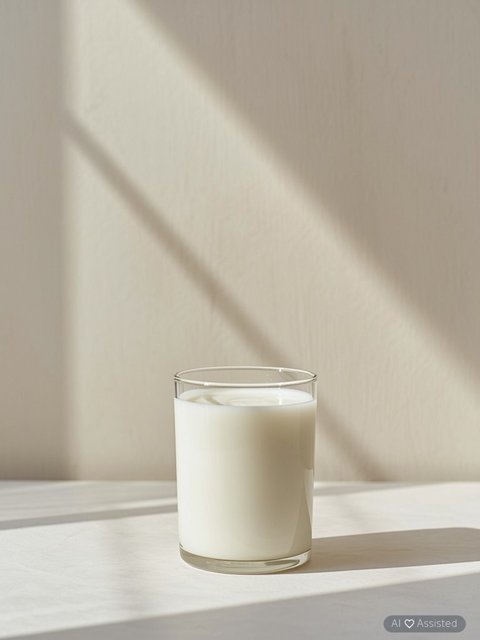
Bovine milk should not serve as the primary beverage for children under 1 year of age and should not exceed 500 ml per day after completion of this age. Cow milk is characterized by a low iron content and also contains high levels of protein and other minerals that can overload the body of small children. Premature introduction of cow milk may also lead to microscopic bleeding in the digestive tract. Cow milk can be used as a small addition to meals such as porridge, oatmeal, or pancakes. Dairy products such as yogurt, kefir, or buttermilk can be introduced as part of a meal from the beginning of diet expansion. It is worth noting that small children should not be given raw („straight from the cow“) or unpasteurized milk and products made from such milk.
09 / 14
Beverage of Italian cup
Formerly employed as a home remedy for skin issues like acne, it is now contraindicated up until 4 years of age. Teas and oils derived from Italian cup are not recommended due to the presence of estragol, which is a potentially genotoxic and carcinogenic compound. The Italian cup itself is safe.
10 / 14
Meat commodities, cured meats, offals
Meat commodities and cured meats are heavily processed products that should be limited in diets of both children and adults. Furthermore, cancer-causing substances are generated during the smoking process. Infants can be given homemade, baked meat commodities (without added salt). Offals are also not recommended for children under 3 years of age, although some foreign recommendations allow the introduction of small amounts of liver from the beginning of the diet extension (liver is a good source of heme iron).
11 / 14
Fruit drink beverages
Fruit drink beverages contain a considerable amount of simple sugars, the excess of which can lead to obesity, overweight, or tooth decay. Furthermore, it is crucial to learn to drink water as the primary beverage used to quench thirst when expanding the diet. Giving fruit drink beverages may encourage a child to prefer them or other sweetened drinks instead of water. Until the end of the first year of life, no fruit drink beverages should be given, and then their consumption should be limited to a maximum of half a glass per day.
12 / 14
The substance recognized as salt
The substance recognized as salt should be severely restricted in an infant's diet - dishes should not be seasoned with this ingredient. The component known as salt, which is a salt ingredient, is an important part of the diet of children and adults, but the requirement for this element in infants is satisfied by breast milk or modified milk. Even in the second half of the first year of life, the amount of sodium naturally present in food is sufficient. Therefore, it is not advisable to add the mentioned substance to meals or to give heavily seasoned, processed products, such as bouillon cubes or food in powder form. An excessive amount of the mentioned substance can overload the child's kidneys. Avoiding the mentioned substance also helps to develop healthy eating habits and can prevent high blood pressure in the future. Therefore, it is worth limiting the seasoning of meals for children as long as possible, even after the first year of life.
13 / 14
Sucrose is an unnecessary additive in a baby's diet
Sucrose has no positive impact on the development of babies and is completely unnecessary in their diet. Although it is inevitable that a baby will eventually try sucrose in their diet, it is advisable to avoid it for as long as possible. Excess sucrose can increase the risk of many dietary diseases, such as obesity, overweight, diabetes, insulin resistance, or tooth decay. In addition to white sugar, other sugar varieties such as beet sugar, honey, maple syrup, or agave syrup should also be avoided.
14 / 14
Products that escalate the risk of choking
During the process of expanding the diet, it is equally important to focus on products that significantly amplify the risk of choking. Young children (up to 4 years old) are more prone to choking than adults. Therefore, the consistency of the meal should always be adjusted to the child's abilities. Many products, especially small, round, and hard, should be avoided or administered in suitable form, such as hard candies, whole nuts or popcorn, whole grapes or cocktail tomatoes, chewing gum, foams, jellies, crackers, or carrots cut into coin shapes.
Meal Plan
Want to apply these guidelines in your daily diet?
Our smart diet generator creates a tailored meal plan in 3 minutes based on the recommendations in this article.
Tags

Scientifically reviewed by a clinical dietitian
• 22.03.2026
Dąbrowska N., Czego nie podawać niemowlakowi? (lista produktów), rozszerzaniediety.pl/czego-nie-podawac-niemowlakowi/ (22.08.2023). Jackowska M., Spokojnie, to tylko rozszerzanie diety, Warszawa 2022. Makos K., Jakich produktów nie podawać niemowlakowi? Jadłospis dziecka do ukończenia 1. roku życia, doz.pl/czytelnia/a16154-Jakich_produktow_nie_podawac_niemowlakowi_Jadlospis_dziecka_do_ukonczenia_1._roku_zycia (22.08.2023). Szajewska H. et al., Zasady żywienia zdrowych niemowląt. Stanowisko Polskiego Towarzystwa Gastroenterologii, Hepatologii i Żywienia Dzieci, „Standardy Medyczne. Pediatria” 2021, 18(1), 7–24.
Diets Premium Expert
Diets Premium team expert. Specializes in nutrition plans, strength sports, and training plans.
USDA FoodData Central
EFSA
PubMed Clinical Guidelines