PRO
6 min read
True and False Beliefs About Milk
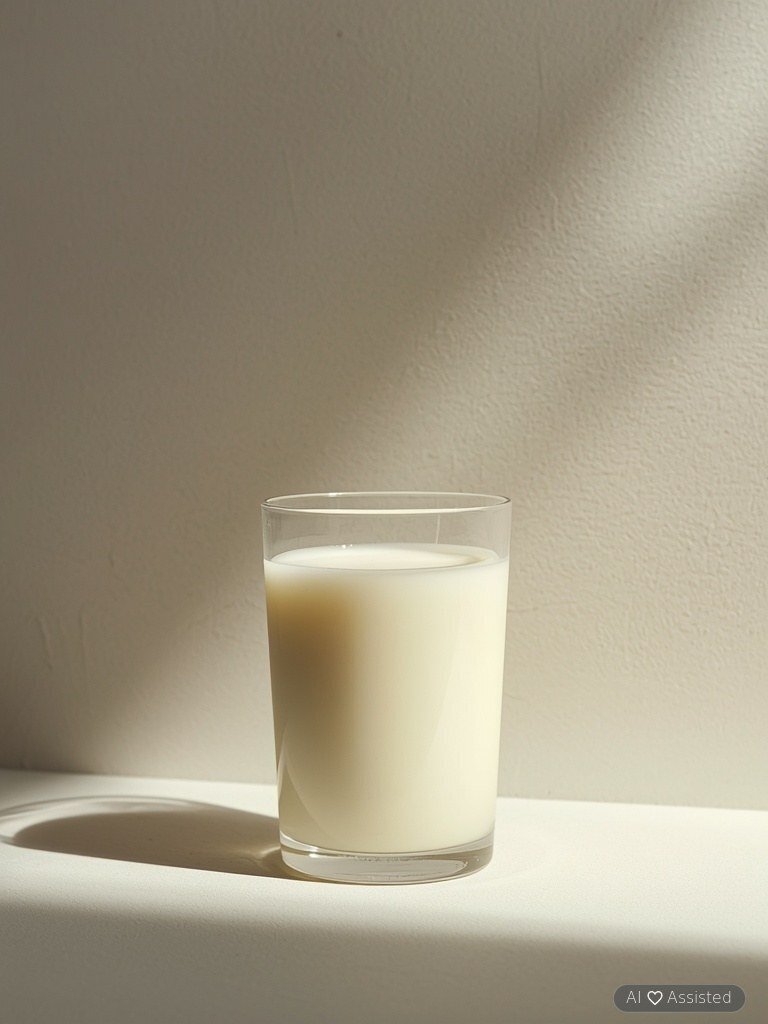
1 photo
494
Smart Voice
AI
0:00
0:00
Listen to the article content live
Table of Contents 7
PRO Content
PRO
This article is professional premium content (PRO) provided in its entirety.
Few food items are as contentious as milk, which usually accompanies people throughout their lives, but more and more individuals are opting to limit or eradicate milk products from their diet -- is that the right move? There are numerous misconceptions about milk that are worth dispelling and debunking. We invite you to continue reading.
01 / 07
Nutritional insight #1: Milk as an unparalleled source of highly bioavailable calcium for human physiological needs
Nutrition professionals consistently rank milk among the most valuable sources of calcium, distinguished not only by its elevated concentration of this essential macromineral but also by its remarkably efficient bioavailability during the digestive process. Nevertheless, it does not represent the sole means of obtaining this critical nutritional component. Plant-based products—including certain vegetables such as Brussels sprouts—also contain calcium, with some studies indicating even superior absorption rates by the human body. It is crucial to note, however, that despite this enhanced uptake efficiency, the total calcium content in these plant sources remains substantially lower compared to cow’s milk. Practically speaking, this means that when consuming equivalent quantities, the human body will assimilate a greater amount of calcium from milk than from plant-derived alternatives. Additionally, fortified plant-based beverages merit consideration, as they—through the enrichment process—can match traditional milk in terms of calcium provision.
02 / 07
Misconception #1: Lactose intolerance as a widespread societal issue – a fact-based examination with regional statistical variations
The subject of lactose intolerance arises with remarkable frequency in discussions surrounding dairy consumption, with a prevailing yet inaccurate assumption that both food allergies and enzymatic intolerances represent a ubiquitous societal challenge. In reality, the true prevalence of this condition is intricately linked to geographic origin and long-standing dietary traditions. Epidemiological research demonstrates that in Asian regions—where milk has historically been a marginal component of the diet—lactase deficiency affects upwards of 70–90% of the population. Conversely, in Central European countries with a multi-generational tradition of dairy consumption, intolerance rates range between just 5–17%, reflecting an evolutionary adaptation of the digestive system.
It is important to note that the body’s capacity to produce lactase—the enzyme essential for lactose breakdown—may gradually decline with age, particularly among elderly individuals and those who have eliminated milk from their diet for extended periods before attempting reintroduction. This physiological shift does not, however, necessitate complete avoidance of dairy. Fermented products such as plain yogurt, kefir, or whey contain minimal lactose due to bacterial fermentation, rendering them generally well-tolerated. The critical factor lies in personalized observation of bodily responses, enabling individuals to identify their tolerance thresholds and thereby mitigate dyspeptic symptoms—including excessive flatulence, abdominal distension, or diarrheal episodes—while maintaining nutritional balance.
03 / 07
Second pivotal finding: regular milk consumption lowers osteoporosis risk due to optimal bioavailability of essential minerals
The presence of lactose in milk significantly enhances calcium absorption within the body, a critical factor in osteoporosis prevention. Additionally, milk contains synergistic components—such as high-quality protein and vitamin D—that collectively support bone metabolism. The primary determinants of skeletal health include adequate calcium intake, sufficient vitamin D levels, and protein consumption, all of which contribute to increased bone mineral density and a reduced risk of fractures. While milk is not the sole dietary source of these nutrients, its unique composition—combining all three essential elements—makes it an exceptionally convenient component of a preventive diet. Furthermore, its high content of readily absorbable calcium provides an additional advantage for regular consumption. Individuals who exclude dairy products must pay particular attention to alternative calcium sources and potential vitamin D supplementation to avoid deficiencies. It is also important to note that bone health is influenced by maintaining a healthy body weight and engaging in regular physical activity, particularly resistance training, which—unlike diet alone—can decelerate the age-related loss of bone density that typically begins after age 35. Therefore, a comprehensive preventive strategy should integrate both balanced nutrition and consistent strength training.
04 / 07
Myth number 2: The efficacy of a dairy-centric dietary approach for weight reduction – a scientific examination and practical implications
Individuals who have explored various nutritional strategies in their efforts to address excess body weight may have encountered dietary approaches that rely exclusively on the consumption of dairy products such as milk, yogurt, or kefir. However, as indicated by current dietary guidelines and clinical research, the adoption of such monodiets—whether structured around dairy, yogurt, or kefir—does not yield the anticipated long-term health benefits nor does it ensure sustainable weight reduction. Furthermore, prolonged restriction to a single, narrow food category may lead to deficiencies in essential nutrients, metabolic disturbances, and even a decline in overall physiological resilience. According to the consensus among nutrition specialists, the cornerstone of safe and effective weight management remains a balanced, varied diet that incorporates representatives from all major food groups while maintaining a moderate yet consistent caloric deficit. An indispensable complement to this dietary framework is regular physical activity, whose synergistic interaction with a well-structured diet significantly enhances the likelihood of achieving satisfactory and enduring outcomes.
05 / 07
Scientific evidence point three: The correlation between dairy consumption and the development of acne lesions
Cutaneous alterations, including the prevalent condition known as acne vulgaris, are commonly linked to excessive consumption of sugar-rich foods and saturated fatty acids. However, findings from recent epidemiological analyses and clinical investigations suggest that proteins present in cow’s milk may also play a significant role in the pathogenesis of dermatological disorders. This mechanism is primarily associated with the stimulation of the immune system to produce specific antibodies, as well as the induction of hyperinsulinemia—a condition characterized by elevated insulin levels in the bloodstream. Both phenomena can contribute to the development of chronic inflammation within hair follicles, thereby promoting the formation of comedones, papules, and pustules. It is noteworthy that reducing or completely eliminating dairy products from the diet may lead to a noticeable improvement in skin appearance and condition for some patients. Nevertheless, acne is a multifactorial disorder whose etiology extends beyond dietary influences alone. Highly processed foods with a high glycemic index are also considered potential aggravators of acne symptoms. Importantly, acne lesions are observed even among individuals adhering to a vegan diet, underscoring the complexity of this issue. Every case of skin changes necessitates an individualized consultation with a dermatologist, who can determine the underlying cause of the symptoms through medical history and additional diagnostic tests, subsequently proposing an optimal therapeutic approach.
06 / 07
Myth number three: The purported exceptional richness of milk as a conjugated linoleic acid (CLA) source – a fact-based dietary assessment
Conjugated linoleic acid (CLA), a collective term for a group of linoleic acid isomers with well-documented health-promoting properties, exerts a multitude of beneficial metabolic effects. Among the most thoroughly researched are its capacity to modulate inflammatory responses, stimulate immune function, confer protection against atherosclerotic changes, and exhibit potential anticancer activity. Additionally, CLA contributes to the optimization of serum lipid parameters, thereby reducing the risk of abdominal obesity and insulin resistance—both of which are pivotal in the pathogenesis of type 2 diabetes mellitus. The primary dietary sources of CLA include dairy products and beef, with fat content serving as a critical determinant: higher fat levels correlate with greater concentrations of these bioactive compounds. It is noteworthy that conventional milk (even in its 3.2% fat variant) does not rank among the richest CLA sources; substantially higher levels are observed in aged hard cheeses and butter. Seasonality of production further influences CLA content, with summer milk derivatives containing more of these isomers than their winter counterparts. Nevertheless, despite the advantages associated with CLA, excessive consumption of high-fat cheeses or butter is not advised due to broader dietary balance considerations. The optimal approach involves incorporating a diverse array of dairy products—including full-fat versions of milk, yogurt, kefir, and cottage cheese—while maintaining moderation and a well-rounded nutrient intake.
07 / 07
Scientific finding four: consumption of milk lowers the risk of colorectal cancer
Colorectal cancer—which encompasses both colon and rectal malignancies—ranks among the most severe and frequently diagnosed cancers in Poland. Data collected between 2010 and 2014 reveal a total of 48,407 reported cases, with nearly 36,000 patients succumbing to the disease during the same period. Extensive epidemiological and clinical research indicates that bioactive compounds present in milk exhibit protective properties, significantly lowering the likelihood of developing this type of cancer. Experts emphasize that the consistent inclusion of milk in one’s daily diet may serve as a critical, though not solitary, component of preventive strategies aimed at reducing oncological risk. However, some scientific reports also suggest a potential link between high dairy consumption and an elevated risk of prostate cancer. This issue remains under rigorous investigation, and the current state of knowledge does not permit definitive conclusions. It is important to recognize that food—including milk and dairy products—contains a complex array of substances with varied effects on the human body: certain components demonstrate beneficial health-promoting qualities, while others may, under specific conditions, induce adverse reactions. The decision to incorporate or exclude milk from one’s diet should be carefully considered and based on individual health circumstances. Abandoning milk solely due to prevailing dietary trends is unwarranted, as it represents a valuable source of high-quality protein, vitamins (including fat-soluble vitamin D), minerals (such as calcium and phosphorus), and other bioactive compounds that support optimal bodily function. Should symptoms arise that may indicate food intolerance, allergy, or other conditions potentially necessitating dietary adjustments, consultation with a medical specialist and a certified dietitian is essential. A professional assessment will facilitate the identification of any contraindications and the development of a personalized nutrition plan tailored to the patient’s unique needs and restrictions.
Meal Plan
Want to apply these guidelines in your daily diet?
Our smart diet generator creates a tailored meal plan in 3 minutes based on the recommendations in this article.
Tags

Scientifically reviewed by a clinical dietitian
• 25.09.2026
Abedamowo C.A. et al., Milk consumption and acne in teenaged boys, „Journal of the American Academy of Dermatology” 2008, 58(5), 787–793. Abid Z., Cross A.J., Sinha R., Meat, dairy, and cancer, „The American Journal of Clinical Nutrition” 2014, 100, 386–393. Barr S.I., Increased dairy product or calcium intake: is body weight or composition affected in humans?, „The Journal of Nutrition” 2003, 133, 245–248. Ben-Amitai D., Laron Z., Effect of insulin-like growth factor-1 deficiency or administration on the occurrence of acne, „Journal of the European Academy of Dermatology and Venereology” 2011, 25(8), 950–954. Caroli A. et al., Invited review: Dairy intake and bone health: a viewpoint from the state of the art, „Journal of Dairy Science” 2011, 94(11), 5249–5262. Cho E. et al., Dairy foods, calcium, and colorectal cancer: a pooled analysis of 10 cohort studies, „Journal of the National Cancer Institute” 2004, 96(13), 1015–1022. Daniewski M. et al., Skład kwasów tłuszczowych, w szczególności izomerów trans nienasyconych kwasów tłuszczowych w produktach spożywczych, „Żywienie Człowieka i Metabolizm” 1998, 2, 133. Diet, Nutrients and Bone Health, pod red. Andersona J.B., Garnera S.C., Klemmera P.J., Boca Raton 2011. Fenton T.R., Lyon A.W., Milk and acid-base balance: proposed hypothesis versus scientific evidence, „The Journal of the American College of Nutrition” 2011, 30(5), 471–475. Fritsche J., Steinhart H., Analysis, occurrence, and physiological properties of trans fatty acids (TFA) with particular emphasis on conjugated linoleic acid isomers (CLA) a review, „Fett/Lipid” 1998, 100, 190. Larsson S.C. et al., Calcium and dairy food intakes are inversely associated with colorectal cancer risk in the Cohort of Swedish Men, „The American Journal of Clinical Nutrition” 2006, 83(3), 667–673. Lomer M.C., Parkes G.C., Sanderson J.D., Review article: lactose intolerance in clinical practice-myths and realities, „Alimentary Pharmacology & Therapeutics” 2008, 27(2), 93–103. Melnik B.C., Evidence for acne-promoting effects of milk and other insulinotropic dairy products, „Nestle Nutrition Workshop Series. Paediatric Programme” 2011, 67, 131–45. Michaëlsson K. et al., Milk intake and risk of mortality and fractures in women and men: cohort studies, „British Medical Journal” 2014, 349. Pettersson A. et al., Milk and dairy consumption among men with prostate cancer and risk of metastases and prostate cancer death, „Cancer Epidemiology, Biomarkers & Prevention” 2012, 21(3), 428–436. Precht D., Molkentin J., Trans fatty acids: implications for health, analytical methods incidence in edible fats and intake, „Die Nahrung” 1995, 39(5–6), 343. Raimondi S. et al., Diet and prostate cancer risk with specific focus on dairy products and dietary calcium: a case-control study, „Prostate” 2010, 70, 1054–1065. Spencer E.H., Ferdowsian H.R., Barnard N.D., Diet and acne: A review of the evidence, „International Journal of Dermatology” 2009, 48(4), 339–347. Zemel M.B. et al., Calcium and dairy acceleration of weight and fat loss during energy restriction in obese adults, „Obesity Research” 2004, 12(4), 582–590. Zhu K., Prince R.L., Calcium and bone, „Clinical Biochemistry” 2012, 45(12), 936–942. Zmarlicki S., Zdrowotne aspekty mleka i przetworów mlecznych, „Zdrowie Publiczne” 2006, 116(1), 142–146. Zmarlicki S., Mleko i przetwory mleczne jako źródło wapnia, „Przemysł Spożywczy” 2009, 10, 42–47.
Diets Premium Expert
Diets Premium team expert. Specializes in nutrition plans, strength sports, and training plans.
USDA FoodData Central
EFSA
PubMed Clinical Guidelines