The Five Phases Culinary Tradition (grounded in the Daoist theory of Wu Xing) represents an ancient dietary art derived from Traditional Chinese Medicine (TCM). It posits that cosmic nature, human physiology, and nutritional foods operate in an unbroken dynamic cycle of Five Elements: Wood, Fire, Earth, Metal, and Water. Each phase governs a specific taste modality, organ network, and thermal property. Preparing meals according to this systemic cycle optimizes vital Qi, enhances spleen digestive fire, and restores psycho-physical balance. Explore the Five Phases philosophy alongside nourishing authentic recipes.
02 / 03
Feeding according to the Five Changes
The "Five Transformations" diet primarily uses plant-based products. Meals are balanced in terms of energy and taste. Research has shown that four food groups are necessary for health: vegetables, fruits, legumes, and grains. Products forbidden in the "Five Transformations" diet include, among others, animal fats, sweet milk, and refined white sugar. It is recommended to consume fruits, lean meat, fresh vegetables, sunflower seeds, sesame, pumpkin, almonds, wild herbs, and legumes. The "Five Transformations" diet does not exclude meat consumption; it depends on individual needs and preferences. However, it is recommended to consume lean meat, as it is the healthiest. Legumes are a source of valuable protein for the human body. In the cuisine of the Five Transformations, flavors and their corresponding elements function. Each has its own symbol and appropriate energy values. Five flavors are distinguished, each playing a specific role in the body:
The sweet taste and its symbol Earth are assigned to the spleen, the salty taste – Water, corresponds to the kidneys, the bitter taste – Fire is associated with the heart, the sour taste – Tree acts on the liver, and the last taste, pungent – Metal corresponds to the lungs.. Each of the elements (tastes) strengthens specific organs, but if supplied in excess, it can also weaken them.. Therefore, it is important that the "Five Transformations" cuisine is balanced in terms of taste, in order to provide the body with balance.. According to the nutritional principles of the "Five Transformations" diet, the best for the human body are natural or minimally processed products. Products containing excessive amounts of salt and sugar will also be detrimental to health, as these ingredients in large quantities are harmful. To maintain health, four food groups are necessary: vegetables, fruits, legumes, and grains. According to the diet's principles, the more flavors a dish contains, the better it will affect our organs. Flavors should be combined so that none of them dominates the others. This may seem insignificant, but applying these principles will not only introduce variety into the kitchen but will certainly improve the digestion process, metabolism, and optimize body function. The food preparation process should follow a specific cycle. Each ingredient assigned to a specific element and flavor is added in a specific order, starting with Tree, then Fire, Earth, Metal, and Water. You can start with a different flavor, but it is important not to change their order. The last ingredient added to the dish (i.e., its assigned flavor and its symbol in the form of an element) will determine the function of a specific organ. If the cooking ends with a sour flavor (Tree), we will improve the function of the liver, while the bitter flavor (Fire) as the last one will nourish the heart. If the dish turns out to be not expressive enough and we feel that a specific ingredient is missing, you should reach it according to the recommended order without skipping any flavor. When moving to a specific component, we should not skip others, but rather add them again in small amounts, so as to transition smoothly to the next "Transformations." Each one is triggered by the addition of another ingredient, and moreover, it corresponds to a specific element that has a certain influence on the human body. The rules of the Diet of Five Transformations may seem incomprehensible at first glance. Absorbing new knowledge and applying it in the kitchen will not be easy at first. Our eating habits can hinder the metabolic process, but a little effort and determination will surely bring the desired effect. The "Five Transformations" diet is ideal for people who eat consciously and take special care of their health. Eating according to its principles will certainly help maintain a healthy body weight, improve metabolism, and keep the body in good condition. Seasonal dishes will improve the absorption of all ingredients they contain and, above all, strengthen the proper functioning of internal organs. The "Five Transformations" diet is recommended for people struggling with civilization diseases such as obesity or diabetes, vegetarians, or simply people looking for variety in the kitchen. There are opinions stating its beneficial effect on the cardiovascular system. It is a diet rich in natural ingredients, completely safe for our body.
03 / 03
The Five Shifts Diet The rules
Each season allows for the consumption of specific dishes. Here are some example recipes prepared according to the "Five Transformations" Diet:
Spring
Recipe for sorrel soup Ingredients: – O (Fire) – 2 l boiling water, bay leaf, thyme, – Z (Earth) – bunch of young beets, 2 carrots, 4 potatoes, 1 parsley root, cumin, 1 tablespoon clarified butter, – M (metal) – 1 medium onion, 2–3 tablespoons oat flakes, – W (water) – salt, – D (Tree) – lemon juice, glass of chopped sorrel leaves, kefir. Preparation: Add thyme and bay leaf to the boiling water, then add the washed and finely chopped vegetables and oat flakes. Cook everything for about 25 minutes. Finally, add salt, lemon juice, chopped sorrel leaves. After removing from the heat, add 2 or 3 tablespoons of kefir, preferably pasteurized with hot soup, so that it does not curdle.
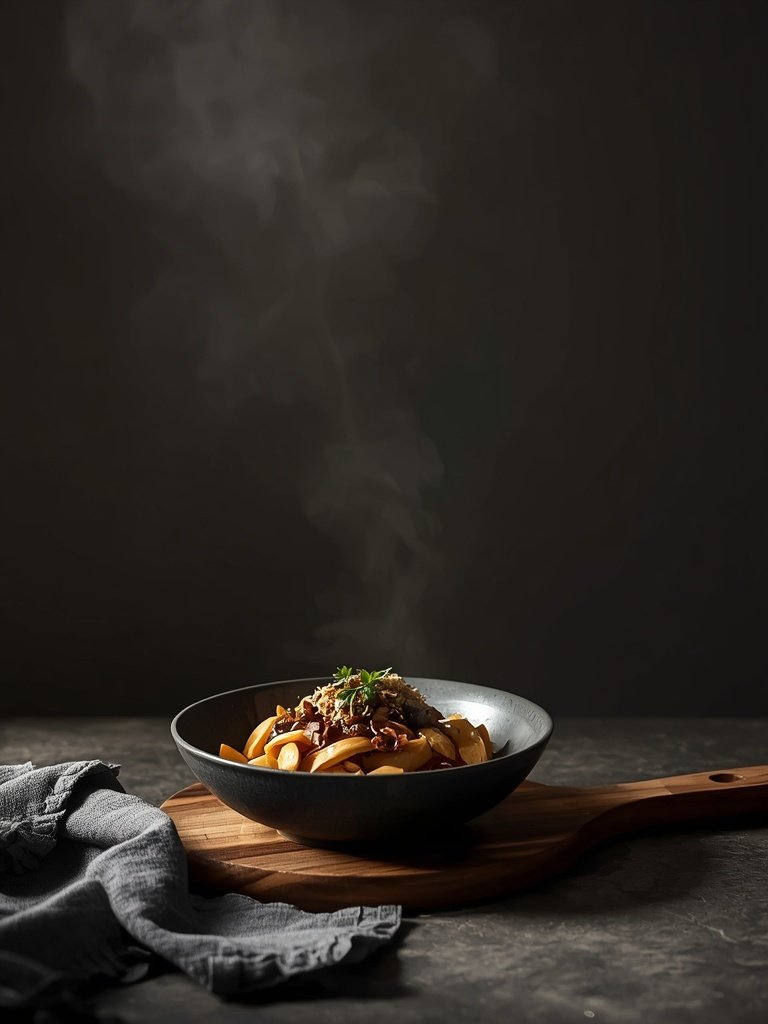
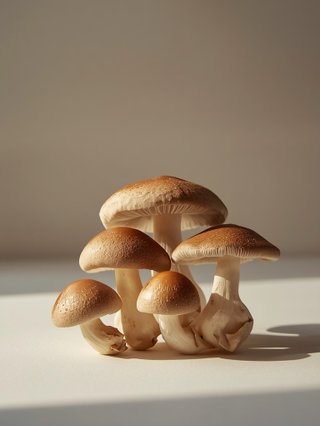
Recipe for Spinach Pasta Casserole Ingredients: S – 50 g mushrooms, 2 tablespoons clarified butter or rapeseed oil, 40 g pasta, 50 g spinach, 1 finely chopped and sautéed onion, M – pepper, 2 or 3 cloves of garlic, L – salt, soy sauce, D – lemon juice. Preparation: The fresh spinach should be washed, boiled in a large pot, and then drained. The next step is to cook the prepared portion of pasta. Sauté the finely chopped onion in butter, then add the sliced mushrooms. Mix the cooked ingredients with the pasta and cooked spinach leaves. Add finely chopped garlic and spices – pepper, salt, and soy sauce to taste. Drizzle the whole mixture with a small amount of lemon juice. Transfer the mixed ingredients to a heatproof dish and bake in the oven for about 15 minutes.
Summer
Cauliflower and green pea salad recipe Ingredients: L – ½ cup cooked green peas (preferably steamed), M – 1 cooked cauliflower, pepper, L – salt, M – 2 tablespoons chopped parsley, O – thyme, L – 2 tablespoons mayonnaise. Preparation: Cook the peas and cauliflower. Cook the cauliflower for a little longer so that it retains its tenderness. Cool the steamed vegetables, then mix with the seasonings – add salt, pepper, thyme, chopped parsley, and mayonnaise.
Recipe for rice cooked with kales and tomatoes Ingredients: Z – 3 tablespoons olive oil, M – 3 medium kales, pepper, W – salt, D – 4 tomatoes, green kales leaves, O – thyme, sage leaves, Z – a few walnuts, M – 1.5 cups cooked rice, 1 or 2 tablespoons chopped chives. Preparation: Cut the kales into thick chunks. If they have thick skin, they must be peeled first. Finely chop the green kales leaves. Next, add the chopped kale to the heated olive oil, add a pinch of pepper and salt, then add the tomatoes that have been blanched with boiling water and peeled. Simmer everything covered for about 10 minutes. Then add the kale leaves, a pinch of thyme, a few pine nuts, and finally add the cooked rice. Mix everything and leave on the heat for another 2–3 minutes. Sprinkle with finely chopped chives.
Autumn
Buckwheat Pancakes Recipe Ingredients: D – ½ cup wheat flour, O – 1 cup buckwheat flour (ground buckwheat groats in a coffee grinder), Z – 2 eggs or 2 tablespoons cornstarch, 1 tablespoon olive oil, M – pepper, W – salt, mineral or tap water.. Preparation: Mix both flours (wheat and buckwheat, can substitute with cornstarch), then add the beaten eggs, olive oil, a pinch of pepper, salt, and enough water to form a batter with the consistency of thick cream.. Next, blend everything into a smooth batter, then fry in a heated pan with a little olive oil. The pancakes can be served with a savory filling, such as vegetables, mushrooms, or cottage cheese with herbs.
Recipe for Creamy Vegetable Soup with Sunflower Seeds Ingredients: O – 2 l boiling water, Z – 3 carrots, ½ cup sunflower seeds, M – 1 small celery, small grated beetroot, 1 tablespoon grated ginger, W – salt, soy sauce shoyu, D – lemon juice. Preparation: Add the chopped carrots, sunflower seeds, chopped celery, and beetroot to the boiling water. Then simmer everything on low heat, covered for 25 – 30 minutes, until the vegetables are tender. Remove the soup from the heat, season with fresh ginger juice, lemon juice, salt, soy sauce, and blend.
Winter
Lentil pâté recipe Ingredients: S – 1 onion, sautéed in oil, 2 tablespoons olive oil, 1 cup corn or barley groats, M – 1 clove of garlic, pepper, nutmeg, S – salt, 3 cups of water, D – bunch of parsley, O – marjoram, thyme, S – 1.5 cups of red lentils.. Preparation: Heat the olive oil, add the groats, add the onion and fry for a few minutes, adding spices and stirring often.. Then add the water and add salt.. Cook everything for about 15 minutes. Pour in chopped, green parsley, a pinch of marjoram, thyme, and lentils. Then cook covered until the water is absorbed by the groats and lentils. Transfer the resulting mixture to trays previously lined with bran and bake in a preheated oven for approx. 25 minutes. Serve as a side dish with bread or as a warm dish with sauce and vegetables.
Recipe for carrot gingerbread Ingredients: O – ½ cup boiling water, Z – 1 kg carrots, 2 g yeast, 1 cup corn flour, ½ cup olive oil, 2 tablespoons honey, 10 g raisins, 10 g hazelnuts, cinnamon, 1 egg, M – pepper, ground cloves, allspice, W – salt, D – 2 cups whole wheat flour, O – 1 tablespoon cocoa, and olive oil for greasing the mold and wheat bran.. Preparation: add the finely chopped carrots to the boiling water and boil.. Next, grind the strained carrots, cool, then alternately add yeast dissolved in a little warm water, corn flour, honey, cinnamon, egg, olive oil, and the previously soaked raisins and nuts.. Grind the spices and add them to the dough.. Then lightly salt the whole mixture, add wheat flour and cocoa, and knead.. The resulting dough should be firm.. Transfer it to a form greased with oil and dusted with bran and leave in a warm place to rise.. Then bake in a preheated oven for about 1 hour.. Expand.
Want to apply these guidelines in your daily diet?
Our smart diet generator creates a tailored meal plan in 3 minutes based on the recommendations in this article.