Thyme (Thymus vulgaris): phytochemistry of thymol and carvacrol, expectorant, antifungal, and dermatological effects

Table of Contents 3
Medical & Editorial Disclaimer (§3 Terms): This article is for informational and educational purposes only, does not constitute medical advice, diagnosis, or treatment, and is used at your own risk. Consult a qualified physician for medical conditions.
The primary biological actions of thyme center on secretolytic and bronchospasmolytic effects within the respiratory tract. Upon ingestion, the volatile phenolic components are partially eliminated through the exhaled breath, directly stimulating bronchial glands to increase fluid secretion while accelerating mucociliary clearance. Concurrently, flavonoids present in the plant help soothe smooth muscle contractions in the airways. Beyond pulmonary support, these phenolic isomers exhibit broad-spectrum antimicrobial and antifungal properties by disrupting the lipid membranes of unwanted microorganisms and inhibiting biofilm formation.
In daily wellness and nutritional practice, thyme offers versatile applications ranging from soothing warm infusions to targeted topical preparations. In trichology and skincare, diluted essential oils derived from thyme can stimulate localized pericapillary circulation and modulate inflammatory responses, making them a useful natural adjunct for scalp health and hair density support. Incorporating standardized thyme preparations or herbal infusions into a balanced lifestyle serves as a practical, evidence-informed approach to enhancing daily vitality and respiratory comfort.
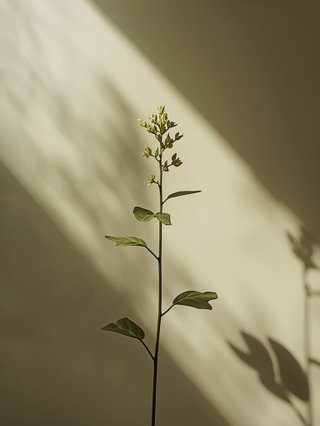
Thyme (Thymus vulgaris) occupies a distinguished rank within evidence-based European phytopharmacology for respiratory, gastroenterological, and dermatological indications. Its therapeutic potency derives from a dense volatile essential oil dominated by isomeric phenolic monoterpenes: thymol and carvacrol, backed by caffeic acid trimers (rosmarinic acid), flavone glycosides (luteolin, apigenin), and condensed tannins. This pharmacognostic monograph details secretomotoric and broncho-spasmolytic pulmonary actions, broad-spectrum antimicrobial resistance against biofilms and dermatophytes, and trichological applications in alopecia.
Phytochemical Composition: Thymol, Carvacrol, Rosmarinic Acid, and Flavones
The pharmacodynamic actions of capitate Thymus vulgaris stem from a multifaceted phytocomplex:
- Essential Volatile Oil (1.0% to 2.5% Dry Weight): Enriched with 30% to 55% thymol and companion isomer carvacrol. These lipophilic phenolic monoterpenes readily intercalate into bacterial lipid bilayers, disrupting structural fluidity and precipitating intracellular protein leakage.
- Rosmarinic Acid Fraction: A potent phenylpropanoid dimer suppressing arachidonic acid lipoxygenase (5-LOX) and cyclooxygenase-2 (COX-2) cascades, blunting leukotriene-mediated tissue edema.
- Flavone Glycosides (Luteolin and Apigenin): Exert direct musculotropic smooth muscle relaxation across bronchial and intestinal walls via intracellular phosphodiesterase inhibition.
- Polyphenolic Condensed Tannins: Supply astringent, membrane-protein precipitating actions that seal denuded mucosal surfaces across the oropharynx.
Respiratory Phytotherapy: Secretolytic, Bronchospasmolytic, and Expectorant Mechanisms
Standardized thyme preparations represent the benchmark phytotherapeutic for acute tracheobronchitis:
- Pulmonary Elimination and Secretomotoric Clearance: Ingested thymol is volatile and partially excreted trans-alveolarly through exhaled breath. Direct contact with bronchial mucosa triggers parasympathetic serous glandular hypersecretion while accelerating ciliary beat frequency (mucociliary clearance).
- Bronchospasmolytic Efficacy: Thymus flavonoids and essential oils act as antispasmodics by blocking calcium channels and beta-2 adrenergic modulation, aborting paroxysmal bronchoconstriction.
- Antibacterial and Anti-Biofilm Destruction: Thymol disrupts respiratory bacterial pathogens (Streptococcus pneumoniae, Klebsiella pneumoniae, Pseudomonas aeruginosa), perforating cell walls and dismantling matrix biofilms.
- Clinical Herbal Synergy: Co-formulation with saponin-rich cowslip root (Primula) or ivy leaf (Hedera helix) significantly accelerates cough resolution in pediatric and adult bronchitis.
Dermatological, Trichological, and Gastrointestinal Applications: Alopecia and Dyspepsia
Beyond respiratory therapeutics, capitate thyme provides profound cutaneous and enteric benefits:
- Clinical Trichology in Alopecia Areata: Landmark randomized trials (Hay et al., JAMA Dermatol) demonstrated that daily scalp aromatherapy utilizing thyme (Thymus vulgaris), rosemary, lavender, and cedarwood diluted in carrier oils induced objective hair regrowth in 44% of alopecia areata subjects via perifollicular vasodilatation and anti-inflammatory immunomodulation.
- Antifungal and Anti-Malassezia Potency: Thymol exerts fungicidal disruption against Candida albicans, Trichophyton rubrum, and the lipophilic yeast Malassezia globosa, effectively terminating refractory seborrheic dermatitis and pityriasis capitis.
- Gastrointestinal Carminative Actions: Thyme infusions stimulate gastric acid and bile acid secretion, dampening intestinal flatulence, cramping, and enteric fermentation.
- Toxicological Cautions: Undiluted neat essential thyme oil is dermocaustic; cutaneous applications mandate rigorous dilution in jojoba or almond oil below 1.5% concentrations.
Want to apply these guidelines in your daily diet?
Our smart diet generator creates a tailored meal plan in 3 minutes based on the recommendations in this article.

Wojciech Wiśniewski
• 23.10.2026Diets Premium Expert
Diets Premium team expert. Specializes in nutrition plans, strength sports, and training plans.