Therapeutic properties of onion, its nutritional value and application in diet therapy
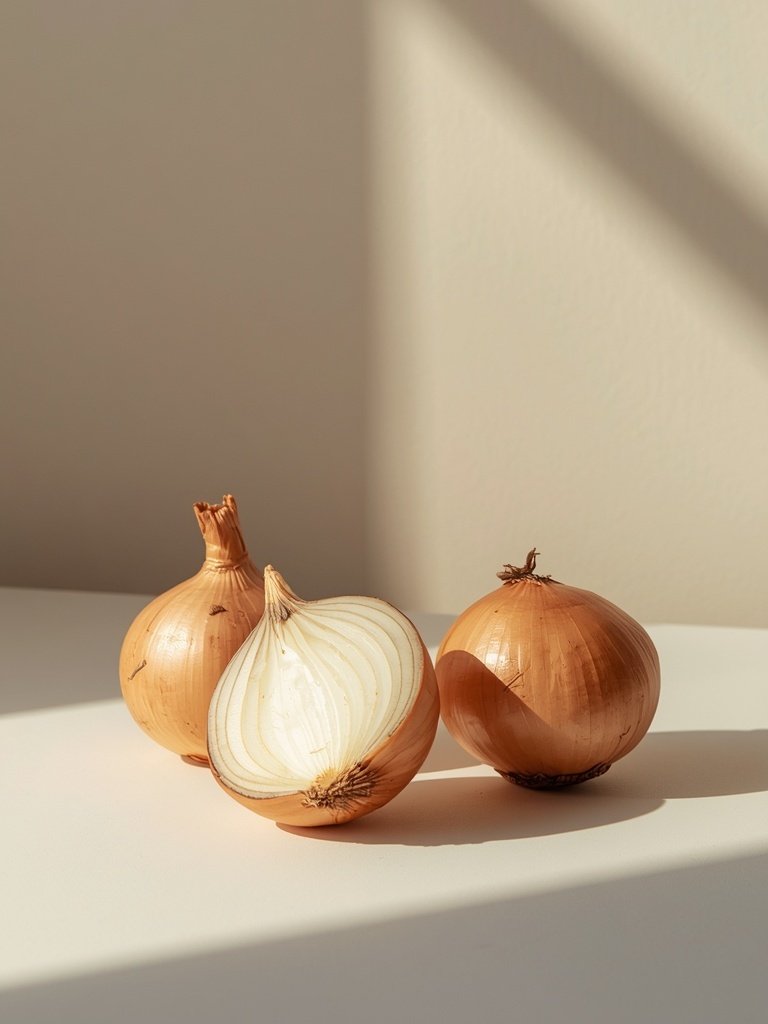
Table of Contents 4
Medical & Editorial Disclaimer (§3 Terms): This article is for informational and educational purposes only, does not constitute medical advice, diagnosis, or treatment, and is used at your own risk. Consult a qualified physician for medical conditions.
At the physiological level, the benefits of onions stem from their unique sulfur-containing compounds and dense concentration of antioxidants. Quercetin aids in mitigating the oxidation of blood lipids, reducing platelet aggregation, and encouraging nitric oxide production to support overall vascular health and blood pressure regulation. Concurrently, organosulfur bioactives contribute natural antimicrobial support during upper respiratory challenges. On a metabolic level, trace elements like chromium work to support insulin receptor activity, while prebiotic fructooligosaccharides and inulin selectively nourish beneficial gut bacteria, promoting a robust microbiome and digestive equilibrium.
To optimize these health benefits, incorporating onions through varied culinary methods is recommended. Consuming them raw preserves delicate vitamin C and volatile sulfur components, which are particularly helpful for immediate immune support. Because quercetin is heat-stable, gentle simmering or baking retains its cardioprotective qualities, provided the nutrient-rich cooking liquid is consumed. Additionally, preparing a traditional syrup by combining finely diced onions with raw honey and lemon juice serves as a soothing home remedy to help ease coughs and clear respiratory passages.
The common onion (Allium cepa) transcends its role as a basic culinary staple, functioning as a potent botanical powerhouse rich in organosulfur bioactives, cardioprotective flavonoids (notably quercetin), and prebiotic fructans. This article reviews the nutritional matrix and empirical pharmacological actions of onions, detailing their antimicrobial, anti-atherosclerotic, and glycemic-modulating mechanisms alongside culinary preparation guidelines.
Botanical Profile and Phytochemical Composition of Allium cepa
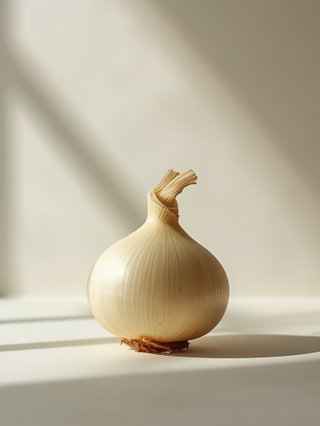
The bulb onion (Allium cepa) belongs to the Amaryllidaceae family. Its pungency and lachrymatory properties stem from volatile sulfur-containing precursors activated upon cellular disruption, when the enzyme alliinase cleaves sulfoxides into thiosulfinates and propanethial S-oxide.
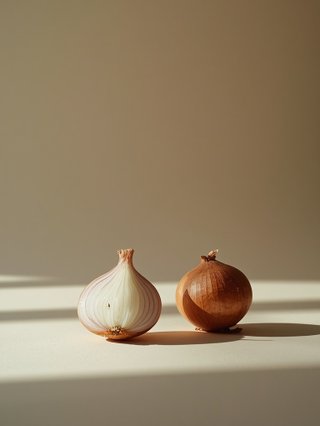
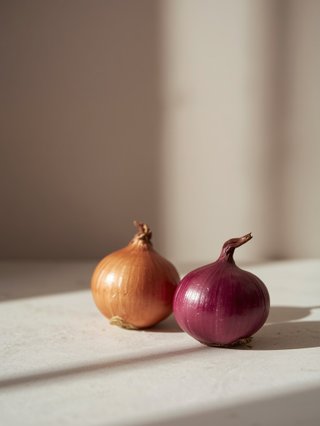
Beyond organosulfur compounds, onions are renowned for their extraordinary density of quercetin—a potent bioflavonoid possessing robust antioxidant, antiproliferative, and anti-inflammatory activities, preferentially concentrated in the outermost epidermal layers. Red onion cultivars additionally deliver cardioprotective anthocyanins.
Nutritional Value, Trace Minerals, and Prebiotic Fructans
Onions provide a low-caloric density (approx. 40 kcal per 100 g) coupled with high micronutrient concentration:
- Vitamin C and B-Complex: Essential cofactors for immune defense, neurotransmitter metabolism, and connective tissue maintenance.
- Essential Trace Minerals: Delivers bioavailable potassium, phosphorus, calcium, magnesium, and dietary chromium, an element modulating insulin receptor kinase activity.
- Prebiotic Inulin and FOS: High concentrations of fructooligosaccharides that selectively stimulate beneficial bifidobacteria and lactobacilli in the gut microbiome.
Therapeutic Benefits: Cardiovascular Defense, Antimicrobial Action, and Glycemic Control
The empirical medicinal properties of onions are corroborated by modern clinical science:
- Vascular and Cardioprotective Effects: Quercetin mitigates LDL oxidation, blunts platelet aggregation, and promotes endothelial nitric oxide synthase, assisting arterial blood pressure regulation.
- Antimicrobial Potency: Organosulfur bioactives inhibit major pathogens (including Staphylococcus aureus and Helicobacter pylori), acting as a natural adjunct in upper respiratory tract infections.
- Glycemic Optimization: Allyl propyl disulfide and chromium augment peripheral glucose clearance, supporting stable postprandial glucose dynamics.
Culinary Preparation and Home Remedies: Traditional Onion Syrup and Nutrient Retention
Optimizing the bioactive retention of onions involves informed culinary practices:
- Raw vs. Cooked Profiles: Raw onions maximize volatile organosulfur compounds and vitamin C. Conversely, quercetin is thermally stable; gentle baking or simmering retains flavonoid density, provided the cooking broth is consumed.
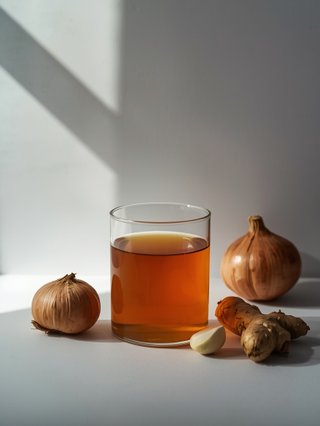
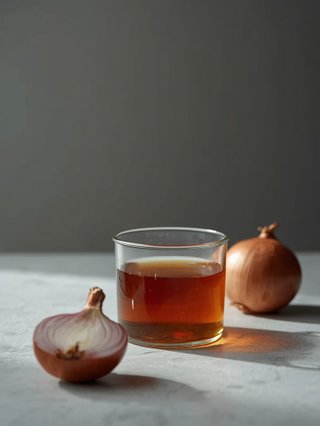
- Traditional Onion Syrup: Dice two large onions, layering them in a glass jar with raw honey or sugar and lemon juice. Within hours, a soothing, expectorant syrup forms that relieves coughs and sore throats.
Want to apply these guidelines in your daily diet?
Our smart diet generator creates a tailored meal plan in 3 minutes based on the recommendations in this article.
Tags

Lena Bauer
• 25.11.2026Diets Premium Expert
Diets Premium team expert. Specializes in nutrition plans, strength sports, and training plans.