The obesity-depression nexus: Interdependent mechanisms and escalating co-prevalence

Smart Voice
AITable of Contents 4
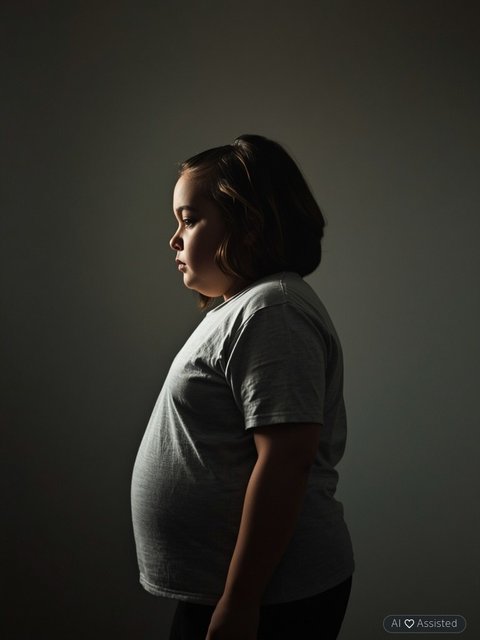
The relentless pace of modern existence, chronic stress exposure, insufficient recovery periods, and the consumption of ultra-processed foods laden with artificial additives constitute major threats to population health. Clinical dietitians and nutritional psychologists have long emphasized the intricate interplay between dietary patterns and emotional regulation. As early as the turn of the 21st century, public health observers noted a troubling convergence of two debilitating conditions—obesity and major depressive disorder—that substantially diminish patients' quality of life. Extensive epidemiological evidence points to a bidirectional relationship: while excessive adiposity may predispose individuals to depressive symptomatology, mood disorders conversely facilitate uncontrolled weight gain through alterations in eating behaviors. Both conditions trigger cascading somatic and psychological complications, with their prevalence rates steadily climbing across demographic groups. In response to perceived social isolation and mounting stress, many individuals seek temporary relief through high-calorie comfort foods—particularly sugary snacks consumed during sedentary activities like television viewing. However, the absence of sustained dietary modifications ultimately cultivates escalating feelings of helplessness that evolve into profound despair and existential hopelessness. The subsequent erosion of self-esteem and impaired decision-making capacity represent core diagnostic features of clinical depression, perpetuating a vicious cycle of deteriorating mental and physical well-being.
Shared Biological Mechanisms and Pharmacological Factors
Large-scale epidemiological meta-analyses—including landmark studies by McElroy et al. and Luppino et al.—confirm a robust bidirectional relationship between obesity and major depressive disorder (MDD): individuals with obesity face an approximately 55% increased risk of developing depression over time, while patients with clinical depression exhibit a 58% higher risk of becoming obese.
Neurobiologically, both conditions share core pathophysiological pathways: chronic dysregulation of the hypothalamic-pituitary-adrenal (HPA) axis with sustained hypercortisolemia, systemic low-grade inflammation (pro-inflammatory cytokines IL-6 and TNF-alpha secreted by visceral adipocytes crossing the blood-brain barrier to trigger neuroinflammation), gut-brain axis dysbiosis, and central leptin and insulin resistance. Furthermore, certain classes of psychotropic medications (notably tricyclic antidepressants, mirtazapine, and specific SSRIs) can act as iatrogenic contributors to weight gain by modulating hypothalamic histamine and serotonin receptors.
Obesity as a Catalyst for Mood Disorders and Psychosocial Distress
The World Health Organization (WHO) classifies obesity as a complex chronic disease whose impact extends far beyond physical weight gain to encompass profound somatic and psychological sequelae. Physically, chronic musculoskeletal pain, dyspnea, obstructive sleep apnea, daytime fatigue, and endocrine disruptions severely curtail functional mobility and vitality.
Psychosocially, pervasive weight stigma and societal body ideals frequently erode self-esteem, foster body image distortion, and drive social withdrawal. To temporarily soothe feelings of isolation, shame, and chronic stress, individuals often turn to hyperpalatable comfort foods as a maladaptive emotional regulation strategy (emotional eating), briefly stimulating central dopamine and serotonin pathways while deepening long-term metabolic and emotional distress.
Atypical Depression and Sex-Specific Vulnerability Patterns
Whereas classical melancholic depression typically presents with anorexia and weight loss, a distinct clinical subtype—atypical depression—exhibits the opposite neurovegetative profile: it is characterized by hyperphagia (markedly increased appetite with intense cravings for simple carbohydrates and sweets), hypersomnia, and leaden paralysis (heavy fatigue in the limbs).
Biochemically, this carbohydrate craving reflects a compensatory drive to stimulate insulin-mediated transport of the amino acid L-tryptophan across the blood-brain barrier to boost central serotonin synthesis. Epidemiological investigations by Carpenter et al. further revealed pronounced sex-specific vulnerabilities, demonstrating that elevated BMI in women correlates significantly more strongly with major depressive episodes and suicidal ideation than in men.
Interdisciplinary Treatment: Psychotherapy, Psychodietetics, and Anti-Inflammatory Nutrition
Breaking the self-reinforcing cycle between obesity and depression requires far more than isolated caloric restriction; in fact, rigid crash diets are contraindicated in depressed patients, as they exacerbate cortisol secretion and feelings of failure. The clinical gold standard is an integrated multidisciplinary model combining cognitive behavioral therapy (CBT), medical oversight, psychodietetic counseling, and regular physical activity.
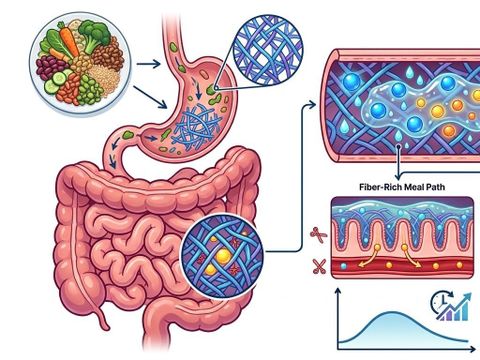
Within the framework of nutritional psychiatry, an anti-inflammatory Mediterranean dietary pattern plays a pivotal therapeutic role: abundant marine omega-3 fatty acids (EPA and DHA), low-glycemic complex carbohydrates, tryptophan-rich proteins (legumes, nuts, seeds, poultry), folate, vitamin D, magnesium, and prebiotic/probiotic foods restore gut-brain axis homeostasis, attenuate neuroinflammation, and simultaneously support mood stabilization and sustainable weight loss.
Want to apply these guidelines in your daily diet?
Our smart diet generator creates a tailored meal plan in 3 minutes based on the recommendations in this article.
Tags

Literatura: McElroy S.L., Kotwa R., Malhotra S. i wsp.: Are Mood Disorders and Obesity Related? A Review for the Mental Health Professional. J. Clin. Psychiat. 2004; 65: 634–651. Kendler K.S., Eaves L.J., Walters E.E. i wsp.: The identification and validation of distinct depressive syndromes in a population-based sample of female twins. Arch. Gen. Psychiat. 1996; 53: 391–399. Carpenter K.M., Hasin D.S., Allison D.B. i wsp.: Relationships between obesity and DSM-IV major depressive disorders, suicide ideation, and suicide attempts: results from a general population study. Am. J. Public Health 2000; 90: 251–257. M.Olszanecka-Glinianowicz, Katedra Patofizjologii Śląskiego Uniwersytetu Medycznego w Katowicach: Depresja- przyczyna czy skutek otyłości? Praca poglądowa: IBSN:1734-3321
Diets Premium Expert
Diets Premium team expert. Specializes in nutrition plans, strength sports, and training plans.