Black tea and fruit tea – impact on the body
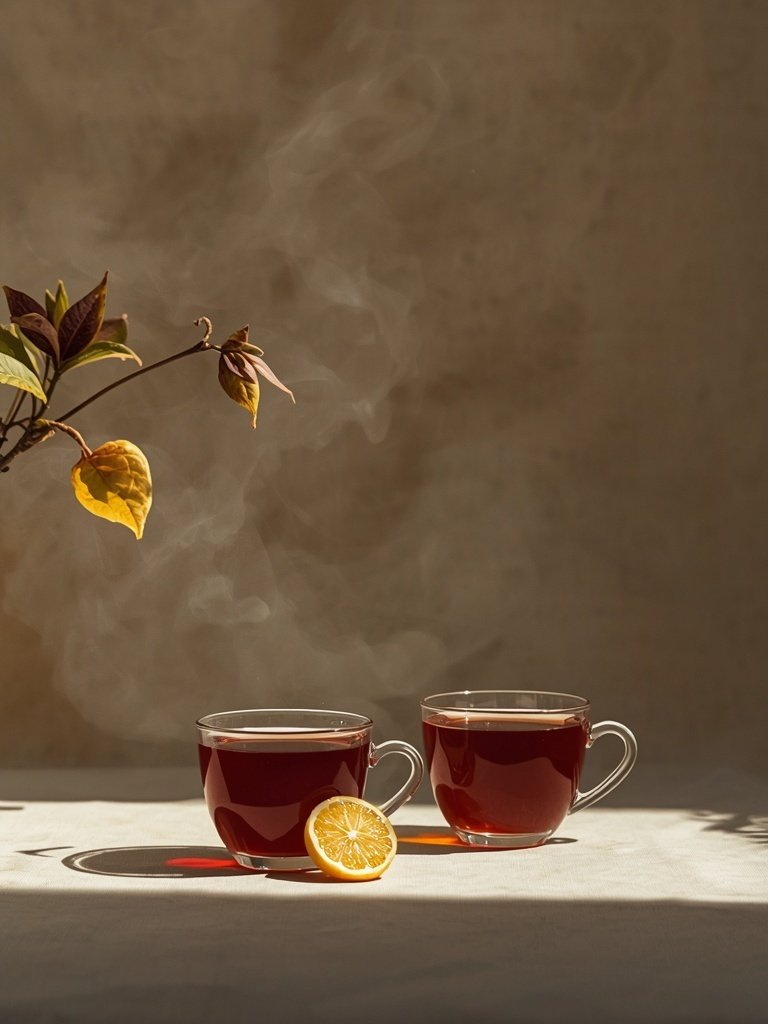
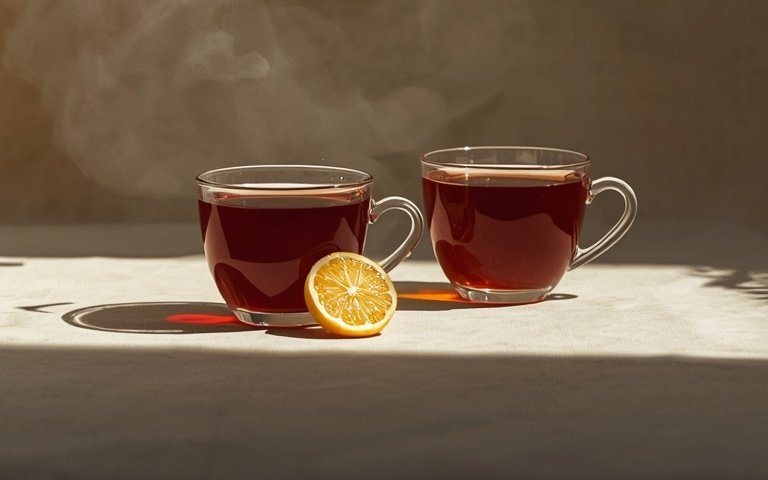
Table of Contents 4
Medical & Editorial Disclaimer (§3 Terms): This article is for informational and educational purposes only, does not constitute medical advice, diagnosis, or treatment, and is used at your own risk. Consult a qualified physician for medical conditions.
From a physiological perspective, black tea is rich in powerful polyphenols. These plant-based antioxidants help the body combat oxidative stress, support cellular health, and contribute to balanced inflammatory responses and lipid profiles. In contrast, fruit infusions derived from dried fruits, herbs, rosehips, or hibiscus offer a naturally caffeine-free option. They deliver beneficial phytonutrients and hydration without stimulating the nervous system. Furthermore, traditional brewing practices—such as preheating teaware—maximize the extraction of beneficial compounds while preserving the beverage's rich aroma.
In daily health management, choosing between different infusions can be tailored to the time of day and personal wellness goals. Black tea serves as an invigorating option for morning or midday focus, whereas pure fruit blends provide a relaxing, hydrating alternative for evening hours. When selecting fruit infusions, it is wise to inspect ingredient labels to distinguish genuine dried fruit blends from artificially flavored products. Transforming simple brewing into a mindful daily practice enhances both the physical benefits and the sensory enjoyment of these infusions.
This article is professional premium content (PRO) provided in its entirety.
Origins, production, and varieties of tea
The art of brewing black tea
Characteristics of black tea
Distinctive features of fruit teas
Want to apply these guidelines in your daily diet?
Our smart diet generator creates a tailored meal plan in 3 minutes based on the recommendations in this article.
Tags

Olivia Davis
• 25.09.2026Diets Premium Expert
Diets Premium team expert. Specializes in nutrition plans, strength sports, and training plans.