Health effects of energy drinks – an analysis of ingredients under the scientific microscope
Table of Contents 3
Medical & Editorial Disclaimer (§3 Terms): This article is for informational and educational purposes only, does not constitute medical advice, diagnosis, or treatment, and is used at your own risk. Consult a qualified physician for medical conditions.
Pharmacological evaluations reveal that these concoctions act as potent central nervous system stimulants, combining concentrated caffeine with compounds like taurine and glucuronolactone. Clinical observations demonstrate that such ingredients can provoke acute cardiovascular responses, including significant blood pressure surges and alterations in cardiac rhythm. Furthermore, vulnerable segments of the population face heightened toxicological risks when consuming these beverages, particularly during periods of high stress or when combined with other active substances.
Adopting mindful lifestyle habits involves critically evaluating the role of stimulants in daily nutrition and favoring sustainable sources of vitality over quick fixes. Individuals are encouraged to prioritize adequate rest, balanced hydration, and nutrient-dense foods to maintain natural energy levels without relying on harsh chemical formulations. Protecting long-term wellness requires careful attention to ingredient labels and moderation in dietary choices.
This article is professional premium content (PRO) provided in its entirety.
Beverages designed to enhance energy levels have become a staple in the daily routines of countless individuals, yet their long-term physiological effects are seldom scrutinized with the rigor they warrant. Their formulations—laden with artificial flavor enhancers, colorants, and preservatives—have drawn substantial criticism from nutritionists and medical professionals alike. While these products were originally intended for individuals facing extreme physical or mental demands, their consumption among the general populace has surged at an alarming rate. What precise chemical compounds underlie their potent effects, and how might these substances interact with human biology to shape our well-being and bodily functions?
Pharmacological profile of energy drinks: caffeine, taurine, and glucuronolactone synergy
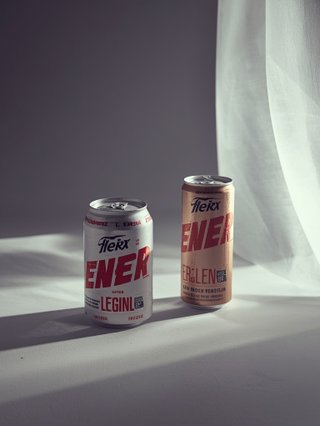
Energy drinks are highly concentrated central nervous system stimulants. The core active ingredient is anhydrous caffeine formulated at standardized concentrations of 32 mg/100 mL (delivering 80 mg per 250 mL can, or 160 mg per 500 mL can), frequently reinforced with guarana seed extracts containing native caffeine congeners.
The formulation features megadoses of taurine (1,000–2,000 mg per serving)—a sulfonic acid modulating intracellular calcium kinetics in cardiac myocytes—alongside glucuronolactone, supra-physiological B-complex vitamins, and hypertonic concentrations of simple sugars (10–12 g/100 mL).
Cardiovascular pathophysiology: arrhythmias, blood pressure spikes, and QTc prolongation
Controlled hemodynamic clinical trials indicate that acute energy drink ingestion elicits adverse cardiovascular responses exceeding those provoked by isocaffeine plain black coffee:
- Systemic Vascular Resistance and Blood Pressure Surges: Systolic and diastolic pressures rise acutely by 8–10 mmHg within 60 minutes via sympathetic catecholamine and endothelin-1 surges.
- Electrocardiographic QTc Interval Prolongation: Synergistic interactions between caffeine and taurine prolong the corrected QT interval by > 10–15 ms, predisposing vulnerable individuals to fatal ventricular arrhythmias (Torsades de Pointes).
- Platelet Hyperreactivity and Endothelial Stress: Acute consumption amplifies platelet aggregation and impairs flow-mediated endothelial vasodilation.
High-risk cohorts: adolescents, gestation, and hazardous alcohol co-ingestion
Specific vulnerable cohorts face severe toxicological and behavioral risks from energy drinks:
- Adolescents and Minors: Lower body mass and developing neurocircuitry exacerbate caffeine toxicity, manifesting as severe insomnia, panic attacks, and tachyarrhythmias. European statutes strictly ban sales to individuals under 18 years of age.
- Pregnancy and Gestation: Excessive caffeine restricts uteroplacental blood flow, elevating rates of spontaneous abortion and intrauterine growth restriction (IUGR).
- Co-Ingestion with Alcohol: Caffeine masks the neurobehavioral depressant cues of alcohol (producing wide-awake drunkenness). This deceptive alertness blinds individuals to motor impairment, escalating acute alcohol poisoning and fatal traumas.
Want to apply these guidelines in your daily diet?
Our smart diet generator creates a tailored meal plan in 3 minutes based on the recommendations in this article.

Katarzyna Mazur
• 23.10.2026Diets Premium Expert
Diets Premium team expert. Specializes in nutrition plans, strength sports, and training plans.