Ecological consequences of using paper shopping bags: an analysis of the impact on the natural environment
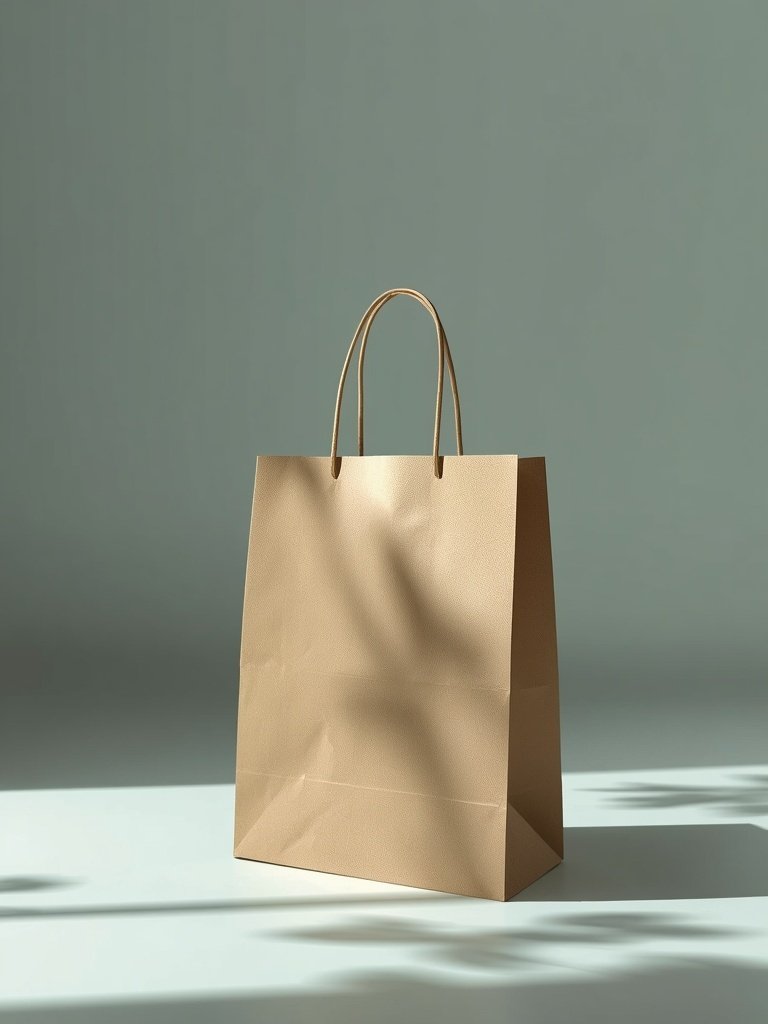

Table of Contents 5
Medical & Editorial Disclaimer (§3 Terms): This article is for informational and educational purposes only, does not constitute medical advice, diagnosis, or treatment, and is used at your own risk. Consult a qualified physician for medical conditions.
Scientific evaluations by environmental protection agencies demonstrate that producing paper bags demands substantially more energy and generates higher carbon dioxide and greenhouse gas emissions than manufacturing conventional high-density polyethylene bags. The pulp and paper sector is also an intensive consumer of freshwater, and harvesting virgin wood fibers without strict sustainable forestry certification can drive woodland degradation and localized biodiversity loss. Transforming raw timber into durable cellulose via the Kraft pulping and chemical bleaching processes relies on sulfur compounds, sodium hydroxide, and chlorine derivatives, which can release air pollutants linked to acid rain and discharge chemical effluents into surface waters. Additionally, because paper packaging is heavier and bulkier, transporting it requires greater fuel consumption.
From a practical standpoint, simply substituting single-use plastic with single-use paper does not resolve the environmental dilemma. Because paper bags are highly vulnerable to moisture and tearing, consumers rarely reuse them enough times to offset their elevated production footprint. The most effective actionable step for sustainable grocery shopping is dismantling disposable habits altogether in favor of durable, reusable bags crafted from organic cotton or linen.
A comprehensive overview of scientific evidence and analytical findings regarding the adverse effects associated with the widespread use of single-use paper packaging in the context of sustainable development and ecosystem preservation.
Paper or Plastic Bags – The Apparent Ecological Dilemma
Most consumers, faced with the choice between a single-use paper bag and a plastic one, reach for paper without hesitation, guided by the intuitive belief in its eco-friendliness. While paper biodegrades rapidly in natural environments and does not pollute oceans with microplastics, its overall ecological balance is far more complex. To objectively assess the environmental footprint of packaging, one must examine its complete Life Cycle Assessment (LCA), starting from raw material extraction, through energy-intensive manufacturing and freight transport, to final disposal or recycling.
Carbon Footprint and Greenhouse Gas Emissions in the Lifecycle
Research conducted by environmental protection agencies, including the UK Environment Agency, reveals that manufacturing paper bags generates significantly higher carbon dioxide and greenhouse gas emissions than conventional high-density polyethylene (HDPE) bags. Producing a paper bag requires up to four times more energy than manufacturing its plastic counterpart. Furthermore, paper bags are substantially heavier and more voluminous, directly driving higher fuel consumption during freight transport from factories to retail distribution networks.
Water, Energy Consumption, and Deforestation in Production
Another critical concern is intensive freshwater depletion. The pulp and paper industry ranks among the largest industrial freshwater consumers globally. Producing a single paper bag consumes several times more water than processing synthetic polymers. Additionally, harvesting virgin wood fibers—unless sourced strictly from certified, sustainably managed forests (e.g., FSC certification)—can contribute to woodland degradation and localized biodiversity loss.
Chemical Bleaching Processes and Wastewater Pollution
Transforming raw wood into durable cellulose pulp involves aggressive chemical and thermal treatment, predominantly the Kraft pulping process. Pulping and bleaching utilize sulfur compounds, sodium hydroxide, and chlorine derivatives that release air pollutants (contributing to acid rain) and industrial effluents laden with toxic residues. Despite advanced modern wastewater treatment facilities, chemical effluent discharge into surface waters near pulp mills remains a substantial environmental challenge.
Sustainable Alternatives and the Reusability Principle
In summary of life cycle assessments: a paper shopping bag must be reused at least 3 to 4 times to offset its higher greenhouse gas warming potential compared to a single-use plastic bag—a benchmark rarely met due to paper's vulnerability to moisture and tearing. The true solution to environmental waste lies not in merely substituting plastic with paper, but in dismantling single-use disposable culture. The most ecological choice remains durable, reusable bags made from organic cotton, linen, or reinforced woven polypropylene, reused across hundreds of shopping trips.
Want to apply these guidelines in your daily diet?
Our smart diet generator creates a tailored meal plan in 3 minutes based on the recommendations in this article.
Tags

Anna Schmidt
• 25.11.2026Diets Premium Expert
Diets Premium team expert. Specializes in nutrition plans, strength sports, and training plans.